
Boydes Exterminating Co
Earwig Control in Columbus, OH
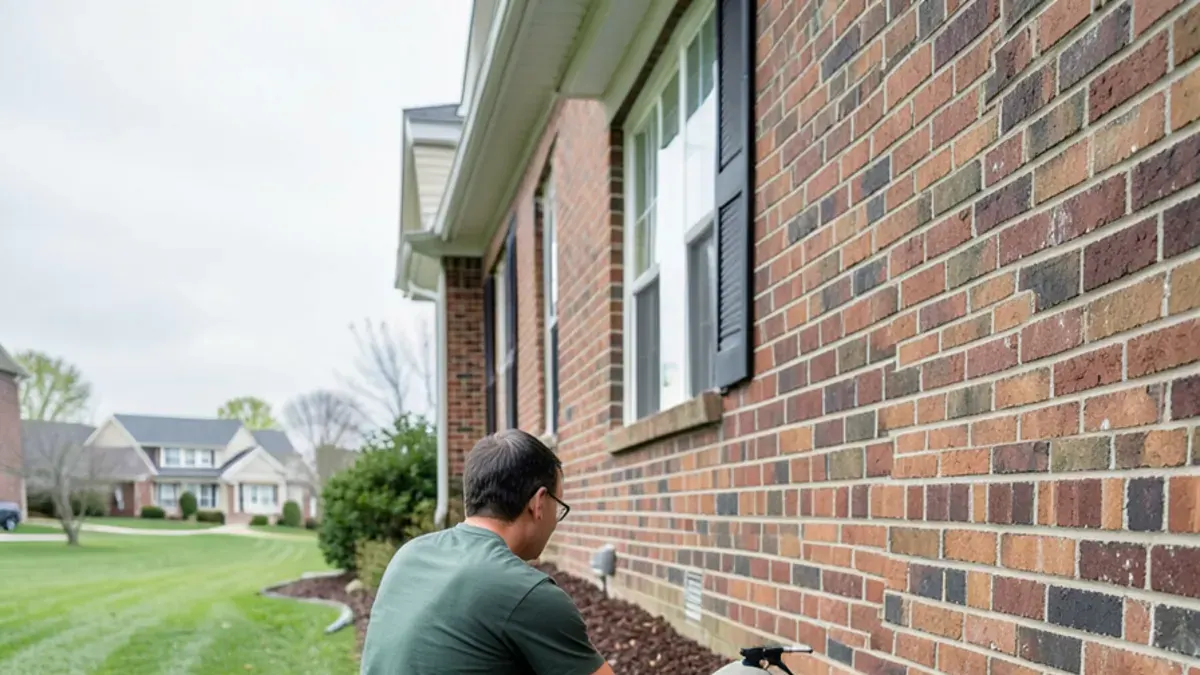
Earwig control in Columbus, OH starts outside, because the pincher bugs in your bathroom almost always began in the mulch bed, the damp window well or the leaf pile beside the foundation. Boydes Exterminating Co treats earwigs as part of our insect control in Columbus work, and we go after both the ones indoors and the yard conditions that keep feeding them.
- Serving Columbus since 1990
- 4.5★ from 55 Google reviews
- Owner-run, based on Dunning Rd
- One-time or recurring service
They look alarming and they are mostly a nuisance. Here is what they are doing in your house and how we stop it.
Pincher bugs in Columbus: is that an earwig?
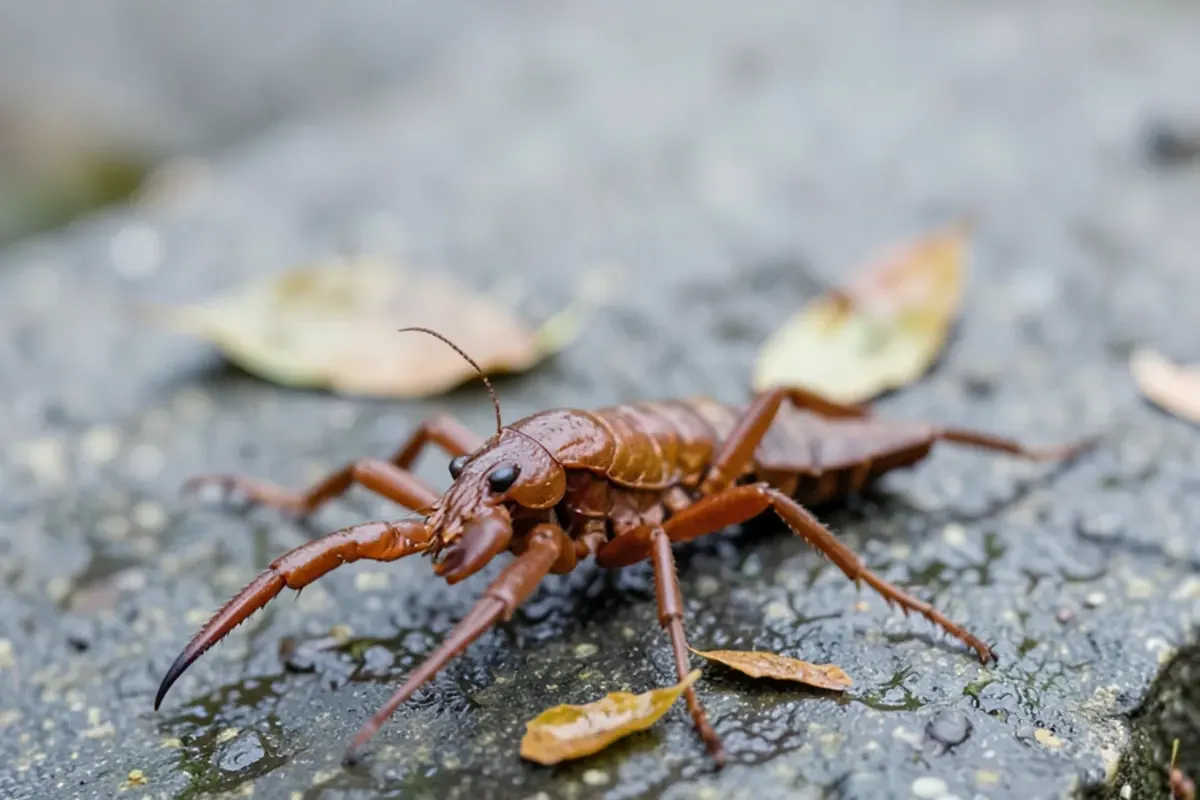
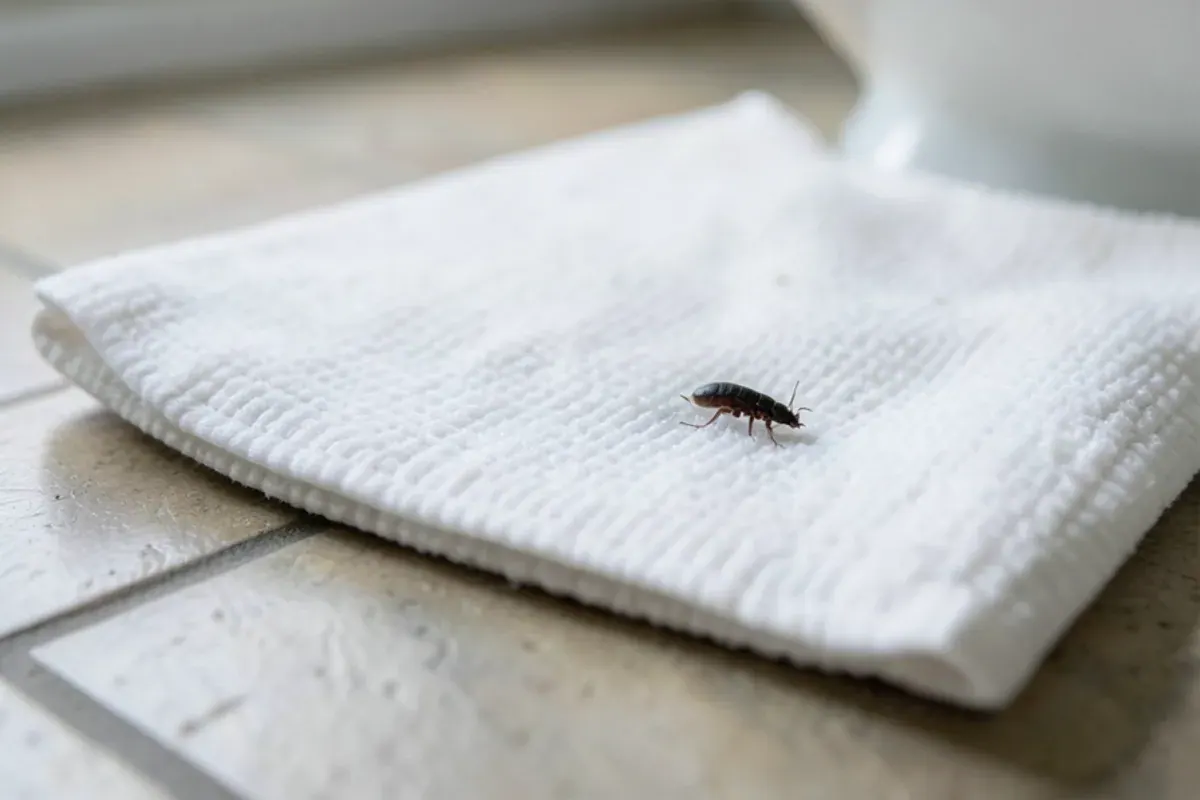
If it has a pair of curved pincers on its tail end, yes. The earwig we see in central Ohio is the European earwig, a reddish-brown insect around three-quarters of an inch long with a flat, quick body. The pincers are called cerci, and males have a more curved pair than females.
Earwigs are active at night and hide by day in cool, dark, damp places. That is why you find them in a shoe, a folded towel, a bath mat or the corner of a basement in the morning.
Why are earwigs coming inside?
Mostly for moisture and shelter. Earwigs dry out fast, so during hot, dry spells they move toward damp spots, including your house. Heavy rain can also flush them out of flooded mulch and soil. They are not nesting in your walls, but they wander in through door gaps, window wells and cracks near the foundation.
They show up in summer and into early fall in central Ohio, and the numbers swing with the weather. Wet springs often produce a big summer population. Our guide to mosquito season in central Ohio tracks the same wet-weather cycle.
Housing plays a part too. The median home in Columbus was built in 1980 (ACS 2019-23), and older foundations and basement windows have more gaps. In rentals, which make up about 56% of Columbus homes, earwigs can come through shared walls and ground-floor doors.
Pincher bugs in the bathroom?
Tell us where the mulch and downspouts are in relation to the door. The yard layout usually explains the rest.
- Serving Columbus since 1990
- 4.5★ from 55 Google reviews
- Owner-run, based on Dunning Rd
- One-time or recurring service
Prefer to write it down?
Calling is fastest. The form comes to the same desk, and we call you back during business hours.
Call (209) 563-1650Does mulch near the foundation cause earwigs?
It is one of the biggest reasons. Thick mulch holds moisture, shelters the insects through the day and gives them decaying plant matter to eat. When that mulch touches the foundation, earwigs are one step from your door.
You do not have to rip out the landscaping. Make a few adjustments:
- Keep mulch thin, around two inches, and pull it back several inches from the foundation and siding
- Redirect downspouts and sprinklers away from the walls
- Clear leaf piles, boards, flower pots and stones that sit against the house
- Stack firewood off the ground and away from the wall
- Trim ground-hugging plants that touch the siding

Do earwigs pinch?
They can, but it rarely amounts to much. The pincers are used to defend themselves and to handle prey. If you pick one up, it may grip your skin and give a mild pinch, and now and then it breaks the skin slightly. They are not venomous and do not spread disease to people.
The old story that earwigs crawl into ears and lay eggs is a myth. They like tight dark spaces, so one might wander near an ear in bedding, but that is it. Earwigs do chew on tender plants and flowers, which is more of a problem for gardeners than for people.
When are earwigs worst, and where do they nest?
Earwigs are an outdoor insect that wanders in. Penn State Extension describes adults mating in late summer and early fall and then nesting underground, with the young passing through four nymph stages. That timing explains why indoor sightings peak from late summer into fall in Ohio. Ohio State University Extension adds that earwigs do not become established indoors, so the ones inside are visitors.
That points to the fix. Treat the habitat outdoors, then use indoor steps for the stragglers. A rolled damp newspaper or a short length of grooved board laid in a shrub bed overnight works as a trap, since earwigs hide in it by day. Shake it into soapy water in the morning. Traps thin the numbers but do not remove a mulch bed's supply, so moisture and mulch depth still carry the plan.
How we get rid of earwigs in Ohio homes
- We inspect the yard edge and the foundationMulch beds, window wells, downspout outlets, firewood and shaded corners show us where the population lives.
- We check how they are getting inDoor thresholds, garage doors, basement windows and utility penetrations are the usual entry points. Columbus Health Code §221.03 says openings of half an inch or more within 48 inches of the ground should be sealed (Columbus Public Health), and that is a decent place to start.
- We ask about pets, kids and plantsFlower beds, vegetable gardens and play areas shape where we apply product. We ask at each visit.
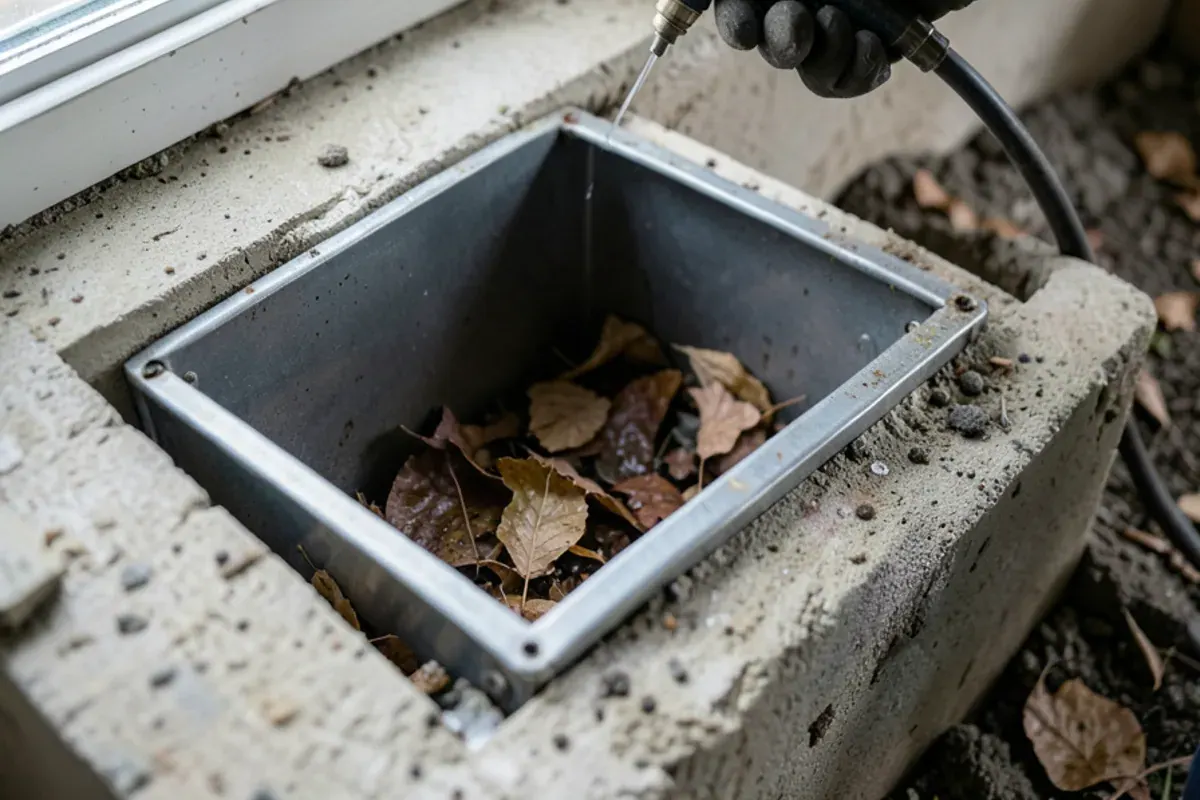
- We apply a perimeter treatmentA perimeter treatment is a band of product around the foundation, plus the mulch edge, window wells and door thresholds, applied per label directions. This stops the stream coming in.
- We handle what is already insideCrack and crevice work goes into basements, bathrooms and garage corners where earwigs shelter.
- We plan the follow-upBecause the population refills from the yard, return visits can be as needed or recurring through the warm months.
Earwigs in the basement: what else should I do?
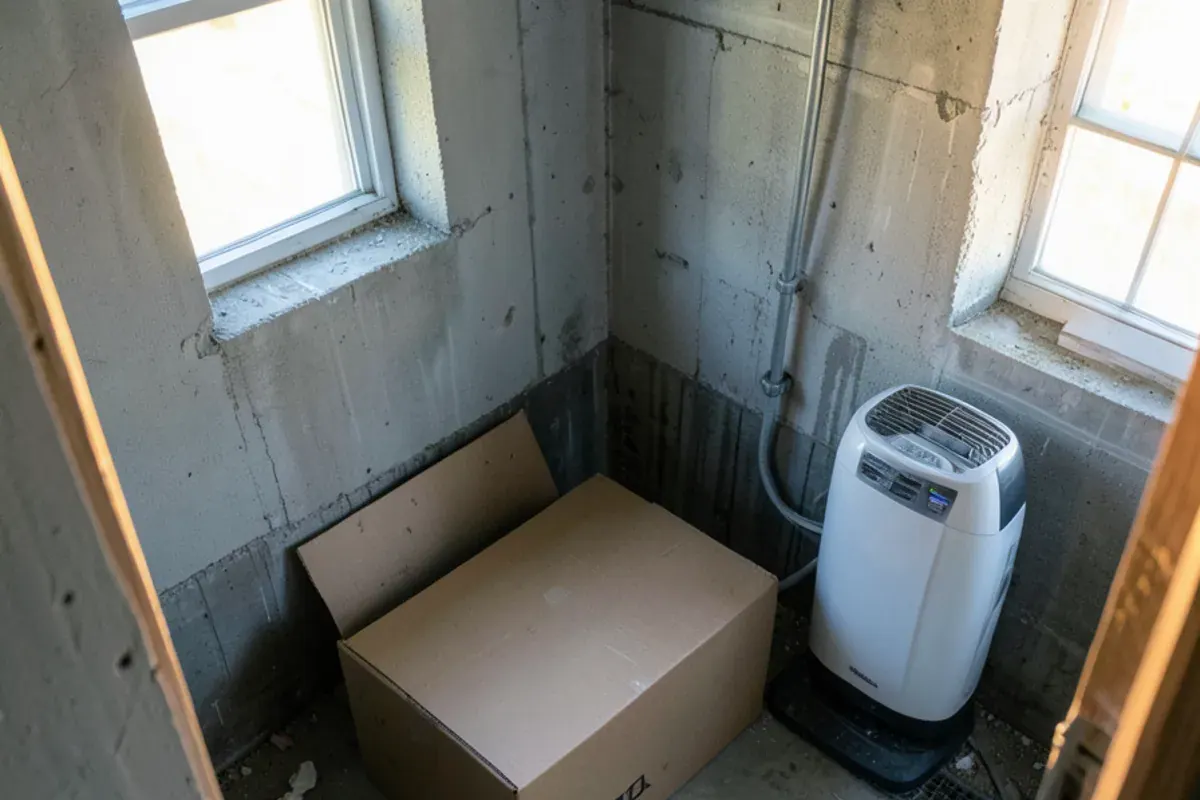
A basement is a natural holding spot. Cool, damp, dim and full of boxes, it suits the insect well. Cut the moisture first: a dehumidifier, repaired leaks and a clear drain around the foundation make a difference.
Then declutter the edges. Boxes pushed against walls, stacked newspapers and old towels all work as hiding places. Vacuum the insects you find and empty the vacuum outside. Dealing with a lone earwig indoors will not touch the ones in the mulch.
What does earwig control cost?
We price based on the extent of the problem and give you the number before work begins. A single door and window-well problem is a small job. A large lot with beds all around the house takes longer, and costs more, than a townhome with one mulch strip.
The factors are the size of the property, how much landscaping touches the building, whether insects are indoors or out, and whether you choose a one-time visit or a recurring plan for the summer. We lay out both options so you can pick.
Earwig treatment around Columbus foundations: label limits and the ODA license check
Outdoor earwig work means applying a product to soil, mulch and the foundation, and the federal label is the rule for each of those sites. It states where the product may go, how much, and what waiting time applies near gardens and play areas. Ohio State University Extension notes that many insecticides are labeled for earwigs, so the question is not whether a product exists but whether the label fits your yard.
If a company applies it for you, Ohio Department of Agriculture rules require a Pesticide Business License. ODA's public search lets you check the business before the visit. Ask which beds and edges will be treated, and mention vegetable gardens, pets and kids so the plan fits the label.
Sealing matters as much as spraying. Columbus Health Code §221.03 asks that openings of half an inch or more within 48 inches of the ground be sealed, which closes the thresholds and window wells earwigs use.
Why Boydes Exterminating for this work
Earwigs live in the yard, so the visit starts at the mulch and the foundation, not just the bathroom.
You get specific, small changes, like pulling mulch back and moving a downspout, with the reasons behind them.
One-time service or visits through the warm months, depending on how often the insects return.
We ask about beds, vegetables, kids and pets and plan the application around the answers.
Mr. Robert Boyde founded this shop in 1990, and his name still leads it through Robert J. Boyde Jr. Pay by cash, check, debit or credit once the visit is done.
Where we do this work
- Columbus The median Columbus home dates to 1980, and older foundations and window wells give earwigs gaps near damp mulch.
- Whitehall Big Walnut Creek flows through Whitehall, and 61% of homes are rented, with ground-floor doors close to damp beds.
- Reynoldsburg Median 1984 homes with 39% rented, where mulch against foundations shelters earwigs through hot, dry spells.
- Gahanna Big Walnut Creek runs through Gahanna, and creekside damp pushes earwigs toward foundations in dry weather.
- Dublin Median 1996 homes with mulch beds against foundations and sprinklers keeping the soil damp all summer.
- Pickerington Median 2002 homes with irrigation and landscaping beds pressed against the slab, a steady earwig habitat.
- Hilliard Hilliard lies between the Scioto River and Big Darby Creek, and damp yards feed summer earwig numbers.
- Westerville Hoover Reservoir sits just east of town, and wet edges and wooded lots keep the ground moist for earwigs.
- Worthington Leaves that stay wet against old 1963 siding and damp ground near the Olentangy River suit earwigs.
We handle earwigs in Columbus, Whitehall, Reynoldsburg, Gahanna and nearby communities. The complete list is on our service areas page.
Earwig Control: common questions
Why are earwigs coming inside?
They want moisture and shelter. During hot, dry weather they drift toward damp places, and heavy rain pushes them out of mulch and soil. They slip in under doors, around window wells and through foundation cracks. They are not nesting in your walls, so cutting off the entry and treating the yard edge usually stops them.
Do earwigs pinch?
They can, and it feels like a light pinch. Now and then the skin breaks slightly, but earwigs are not venomous and do not spread disease to people. The story that they crawl into ears is a myth. Treat a bite like any small scratch. If it swells or worsens, check with a doctor.
Does mulch near the foundation cause earwigs?
Often, yes. Thick mulch stays damp and gives earwigs cover and food, and mulch against the siding puts them right at the doorstep. Pull it back several inches from the foundation, keep it thin and redirect downspouts and sprinklers. Combined with a perimeter treatment, that makes a real difference.
When are earwigs worst in central Ohio?
Summer into early fall, with the numbers depending on rain and heat. A wet spring can produce a big summer population. Dry stretches push them into basements and bathrooms looking for moisture. We schedule visits to match the pressure, either as needed or at set intervals through the warm months.
Can I just spray the earwigs I find inside?
Killing the ones you see helps in the moment, but more will arrive from the yard. The lasting fix is outdoors: a perimeter treatment, thinner mulch, dry foundations and sealed gaps. Follow product label directions if you use anything yourself, and tell us what you used so we can plan around it.
Sources
- U.S. Census Bureau, American Community Survey 2019-23, Columbus housing tenure and median year built
- Columbus Public Health, Columbus Health Code §221.03 (sealing openings within 48 inches of ground level)
- Ohio State University Extension, Ohioline, European earwig
- Ohio State University Extension, European Earwig (HYG-2068)
- Penn State Extension, European Earwigs
What customers say
4.5 stars from 55 Google reviews, checked November 2026. Read more reviews · Leave a review
Mr. Boyde’s company is responsive and honest. They answer phone calls, give estimates, and come to your home quickly. Pricing is true to market price with no surprise charges.
Great service. Super dependable. Calls right back. This time he was able to come out same day.
Excellent service, very easy to schedule appointments. No inspection needed to get the job done sooner and very forward about the cost.
Cut off the earwig supply
Call to set up a visit that covers the mulch edge, the entry points and the rooms where you are finding them.
- Serving Columbus since 1990
- 4.5★ from 55 Google reviews
- Owner-run, based on Dunning Rd
- One-time or recurring service
Boydes Exterminating Co, 1967 Dunning Rd, Columbus, OH 43219