
Boydes Exterminating Co
Commercial Pest Control in Columbus, OH
Commercial pest control in Columbus, OH works when it is a plan and not a panic: an inspection, a visit schedule that fits how your business runs, and written records after every stop. Boydes Exterminating Co serves restaurants, hotels and apartment managers, and the same method carries over to other kinds of buildings.
- Serving Columbus since 1990
- 4.5★ from 55 Google reviews
- Owner-run, based on Dunning Rd
- One-time or recurring service
Most pest trouble in a business traces back to a door, a drain, a delivery or a neighbor. Pick your property type below, or read how a program works first. You usually deal with Mr. Boyde directly.
What does commercial pest control in Columbus include?
A commercial program has five parts, and skipping any one of them is how pests come back:
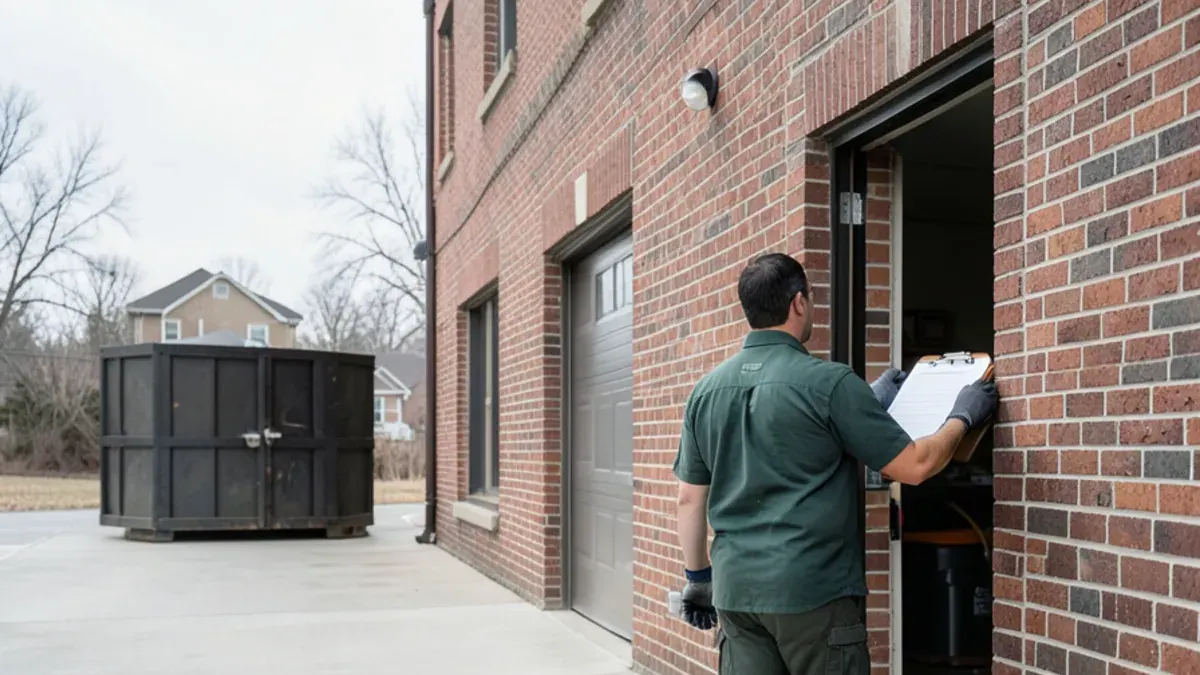
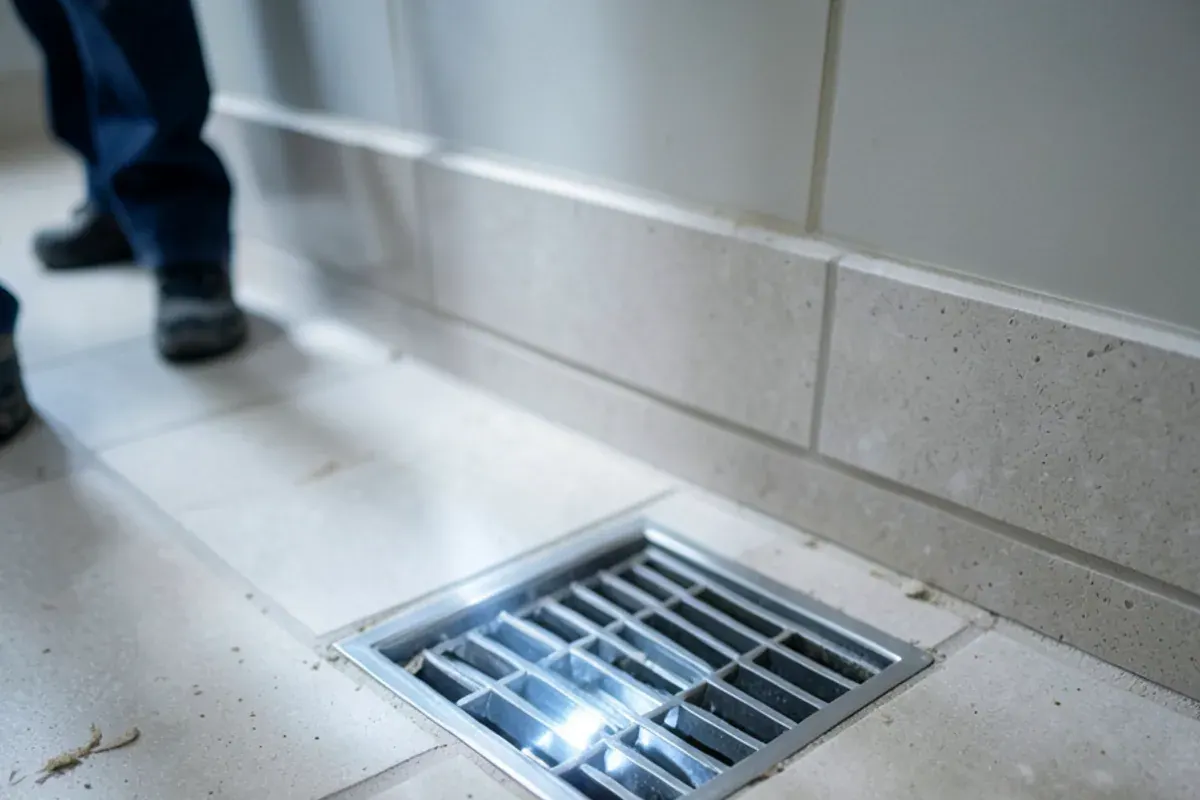
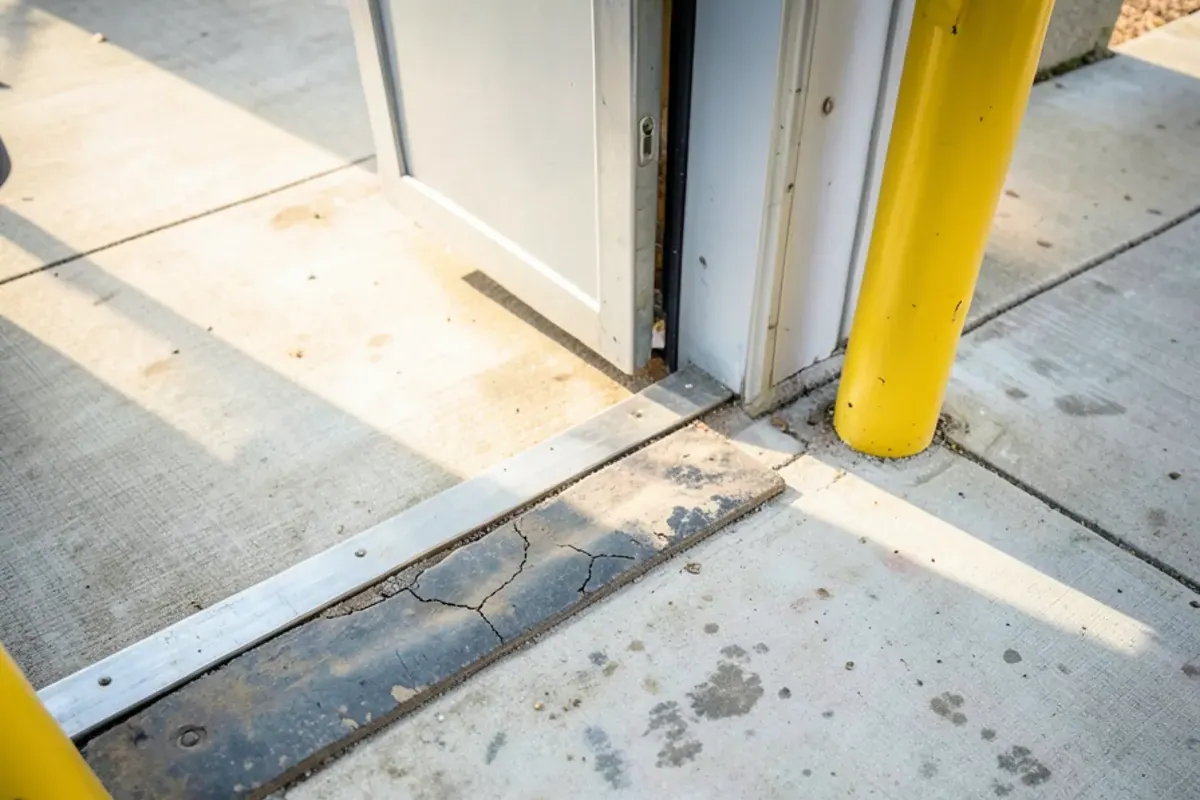
- An inspection of the whole site, inside and out, including storage, drains, dock doors and shared walls
- Identification of the pest, because a German cockroach and an American cockroach call for different answers
- Exclusion, which means sealing the gaps pests use to get in, plus sanitation advice for whatever feeds them
- Targeted treatment applied per label directions, using crack and crevice work (small amounts of product placed where pests travel and hide) and perimeter treatment (a band around the outside of the building)
- Written documentation after each visit, with monitoring to show what worked
Professionals call this integrated pest management, or IPM: fix the conditions first, treat the pest second, measure the result. We ask about pets, kids and allergies at each visit and plan around them. Fumigation, where a whole building is sealed and gassed, is a separate specialty. Most restaurants, hotels and apartment buildings need targeted work, not that.
What does integrated pest management look like at one site?
On paper IPM sounds abstract. On site it is a short loop. We find what is feeding or sheltering the pest, such as a dripping hose bib, cardboard stacked against a wall or a gap under a dock door. We fix or flag that first, treat the pest second, and then check traps and monitors on the next visit to see whether the count fell. If it did not, the plan changes. That loop is why a commercial program reads like a log and not like a spray schedule.
Where does fumigation fit?
Fumigation means sealing a structure and releasing a gas, and it is its own category of work. ODA lists fumigation as a separate commercial applicator category (10c on its application form), apart from general pest work (10a) and termite work (10b). A business that searches for commercial fumigation in Columbus usually has a roach, bed bug or rodent problem that targeted treatment handles without sealing the building. If a site truly needs a fumigation, ask the company for the category it holds before you agree.
Which commercial page fits your property?
Food businesses, hotels and apartment managers are where our commercial history sits. Choose the page that matches your building:
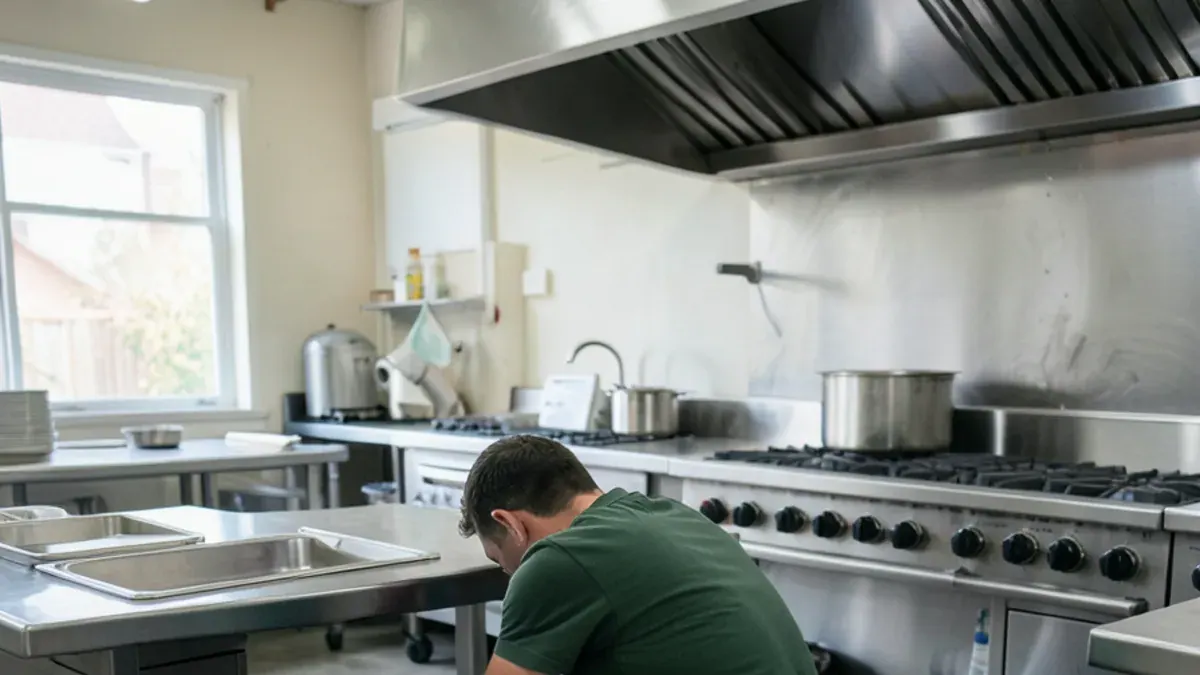
- Restaurant pest control: kitchens, bars and prep areas, with roaches, flies and rodents as the main worries
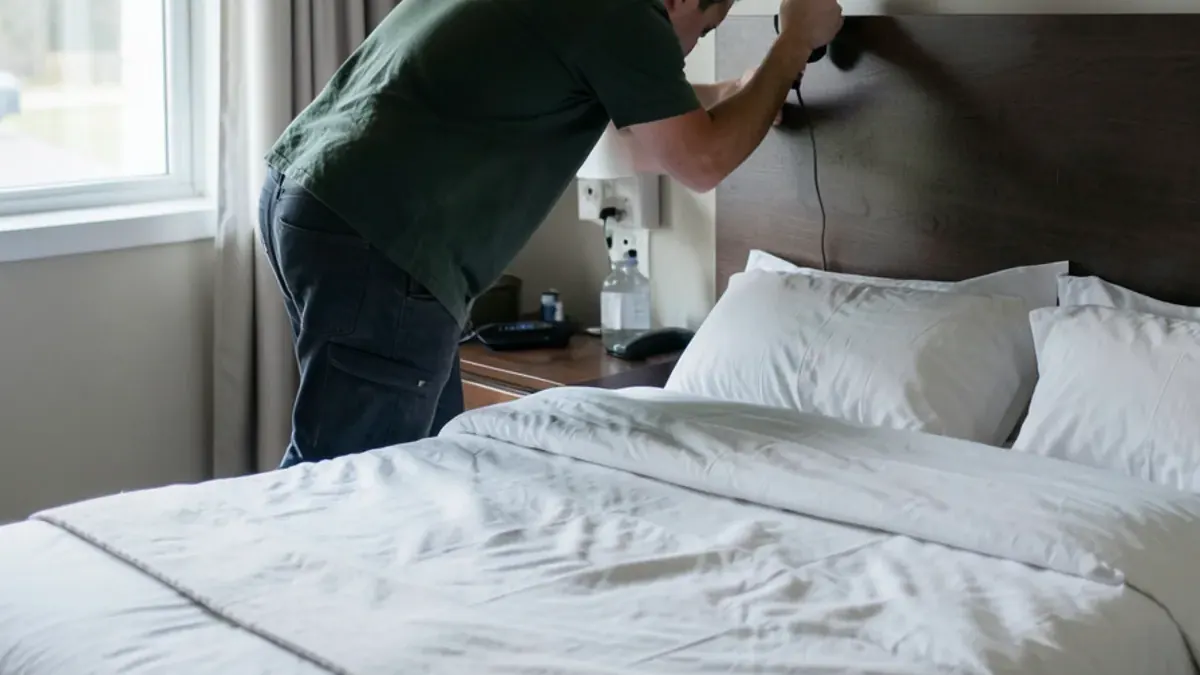
- Hotel pest control: bed bug response, room inspections and quiet follow-up between guests
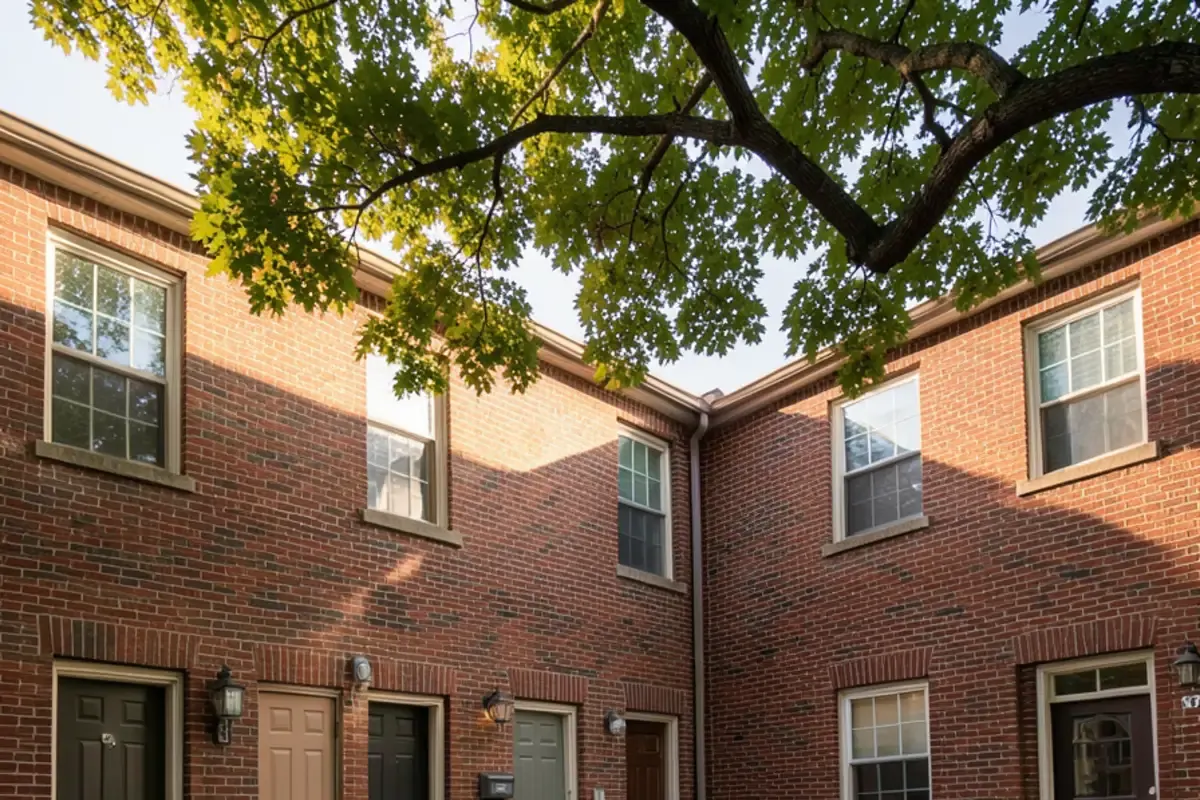
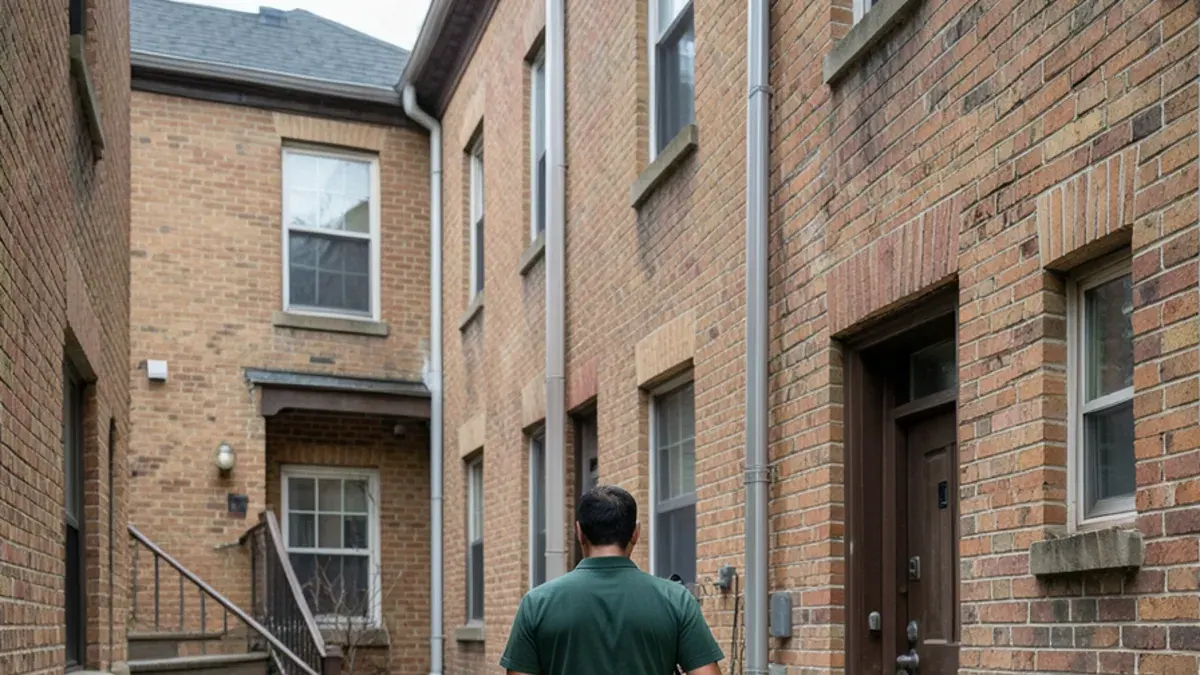
- Apartment and property manager pest control: shared walls, unit turns and neighboring units
- Office and retail pest control: visits timed around staff and customers
- Warehouse and food plant pest control: dock doors, stored product and rodents
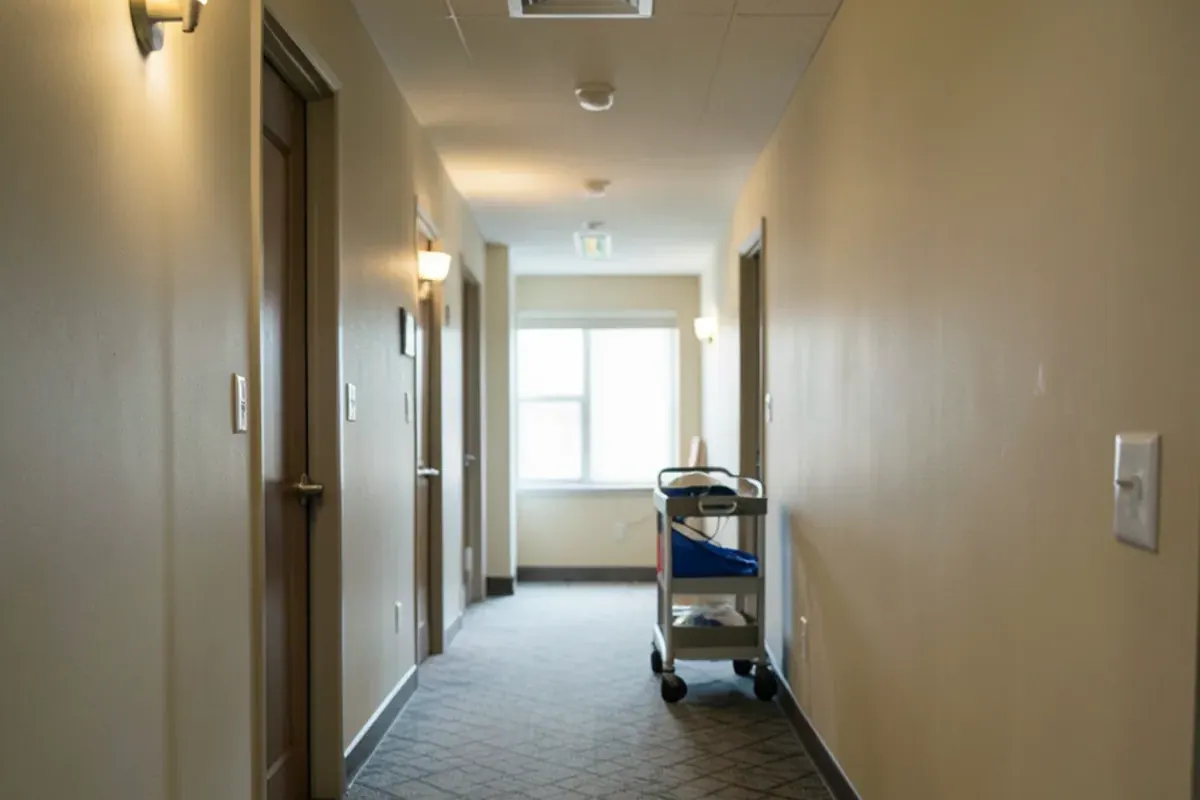
- Healthcare and senior living pest control: planning around residents, staff and records
- School, church and daycare pest control: treatment set for when the building is empty
The last five are not what we built our name on, and we say so. Those pages describe what each building needs and how we would approach it. You decide whether that fits.
Not sure which page fits?
Tell us what the building does and where you have seen pests. We will point you to the right plan.
- Serving Columbus since 1990
- 4.5★ from 55 Google reviews
- Owner-run, based on Dunning Rd
- One-time or recurring service
Prefer to write it down?
Calling is fastest. The form comes to the same desk, and we call you back during business hours.
Call (209) 563-1650How does a new commercial account start?
- Walk-throughWe tour the site with your manager and ask about past problems, deliveries, who is on site and when.
- Written findingsYou get documentation after the inspection: what we found, where, and what needs fixing on your side.
- Price before workPricing depends on the type and extent of the problem. We explain it before anything is treated.
- First treatment and exclusionWe treat per label directions, give you the re-entry time and flag gaps to seal.
- Follow-up on a set rhythmVisits run biweekly, monthly, bimonthly or as needed, and each one is logged.
Why do Columbus businesses fight pests year after year?
Columbus ranked No. 11 on Orkin's 2024 list of top bed bug cities and No. 15 on its 2026 list of rattiest cities. Hotels around John Glenn Columbus International Airport turn rooms over daily, and distribution buildings in the Rickenbacker area take in trucks and pallets from elsewhere. Whatever rides along comes inside.
Housing adds its own pressure. About 56% of Columbus homes are rented (ACS 2019-23), so apartment managers deal with shared walls, shared laundry and constant move-ins.
How often should a commercial site be serviced?
The inspection sets the starting point, and the records tell you when to change it. These are typical, not fixed:
| Site | Common rhythm | Why |
|---|---|---|
| Active roach or fly problem in a kitchen | Biweekly, then monthly | Eggs hatch between visits, so early follow-up matters |
| Hotel or apartment building | Monthly, plus room or unit calls as needed | Turnover brings new risk, and bed bugs call for quick response |
| Quiet site with a clean record | Bimonthly or as needed | Monitoring confirms nothing is building |
What does commercial pest control cost?
We give no flat commercial price, because the job decides it. The factors are the size of the site, the pest, how far the problem has spread, how often you need visits, and how much exclusion work the building needs. Reviewers say our pricing is fair and that nothing surprising shows up on the bill. Our guide to commercial pest control cost for Columbus restaurants shows what moves the number.
Do you need a pest control contract?
Not for a single problem. A one-time visit for a wasp nest at the entrance or a mouse in the stockroom is priced as that job. A recurring plan makes sense where pests return, which is why food, lodging and housing sites tend to run visits biweekly, monthly or bimonthly. Whatever the arrangement, ask for the terms in writing: what each visit covers, how the schedule can change, and what happens between visits if something shows up.
Who is responsible for pests, and what should you keep on file?
Landlords carry the pest burden in Columbus: the city's health code, enforced by Columbus Public Health, holds multi-unit owners accountable for elimination. Food businesses answer to their local health inspector. Either way, records are your defense.
Before you hire anyone, know the state rule: the Ohio Department of Agriculture requires a Pesticide Business License for pesticide work done for hire, along with a licensed commercial applicator and liability insurance. Ask any provider for their number and look it up on the ODA site. Keep every service report in one binder or folder, as our pest control logbook guide explains.

Choosing a commercial exterminator in Ohio: ODA license categories and Columbus code
Ohio law requires a company that applies pesticides for hire to hold an ODA Pesticide Business License, with a licensed commercial applicator and liability insurance behind it. ODA licenses applicators by category. General pest work, which covers roaches, ants, bed bugs and rodents, falls under 10a, and OSU Extension notes that 10a does not cover termites (10b) or fumigation (10c). The Ohio Department of Agriculture has a public business search, so any provider can be checked before you sign.
The building decides who else sets rules. Columbus Public Health holds owners of dwellings with two or more units responsible for eliminating pests, and food businesses answer to their health district's inspector. Ask each bidder which category covers your work, what the visit report will show and how the service records reach your file.
Why Boydes Exterminating for this work
Started by Mr. Robert Boyde in 1990, the company is owned today by Robert J. Boyde Jr. and run from 1967 Dunning Rd. You usually deal with the owner, not a call center.
That is the commercial work behind this page, alongside hundreds of homeowners, hotels and restaurants across central Ohio.
We price by the type and extent of the problem and say the number before work starts. Cash, check, debit and credit are all accepted.
You receive documentation after an inspection, and visits run biweekly, monthly, bimonthly or as needed. We ask about allergies at every visit.
Customers have left 55 Google reviews, and many mention fair pricing, honest answers and same-day visits when the schedule allowed.
Commercial Pest Control services
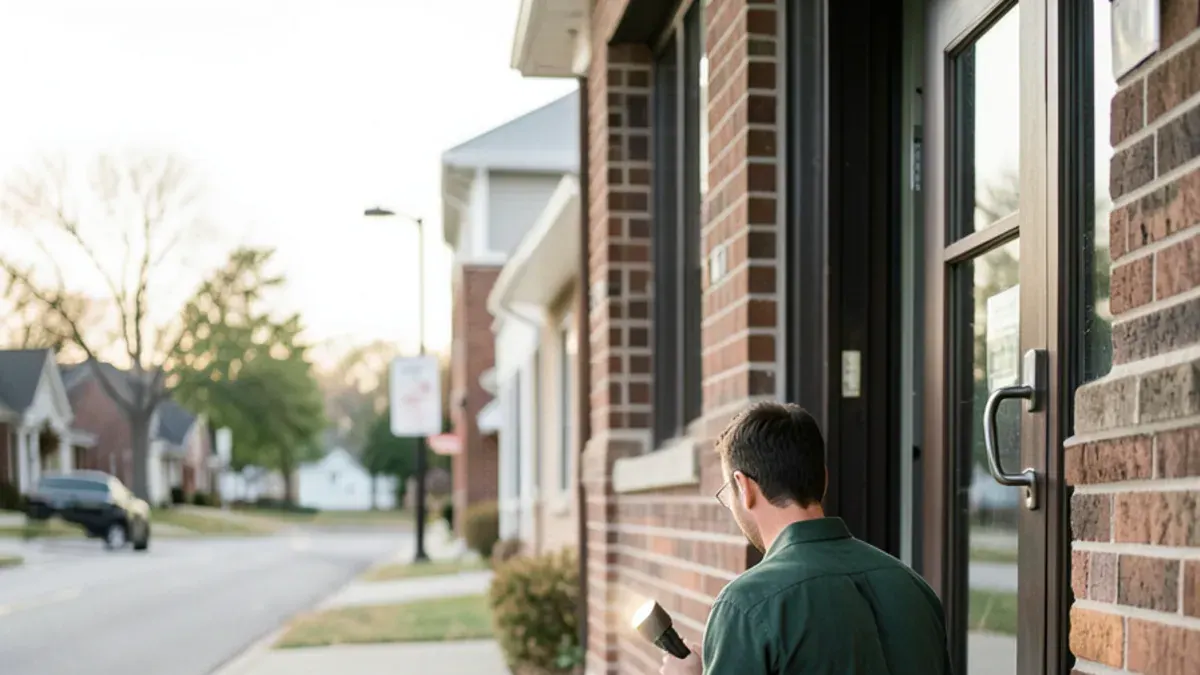
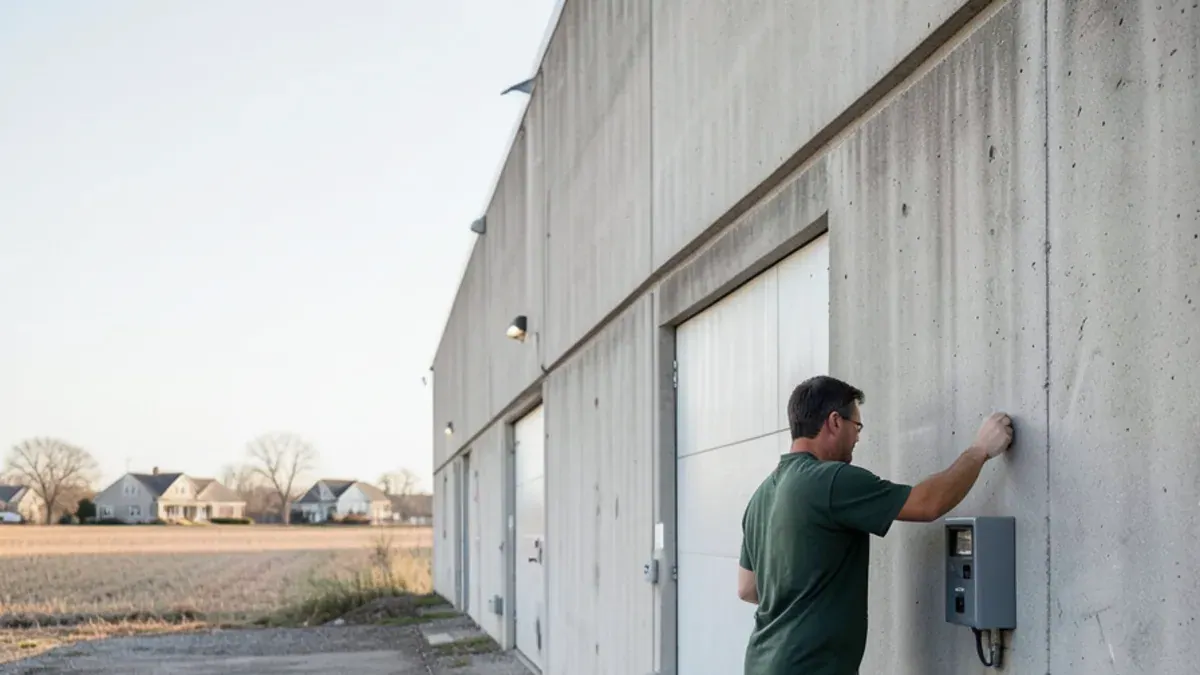
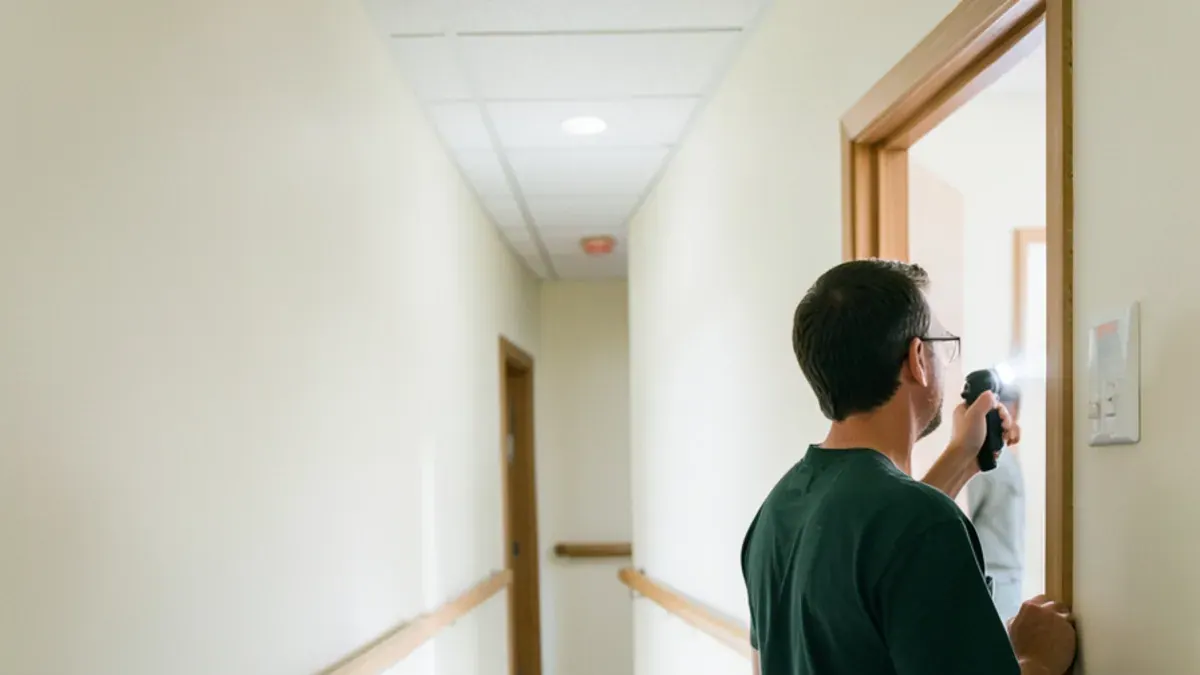
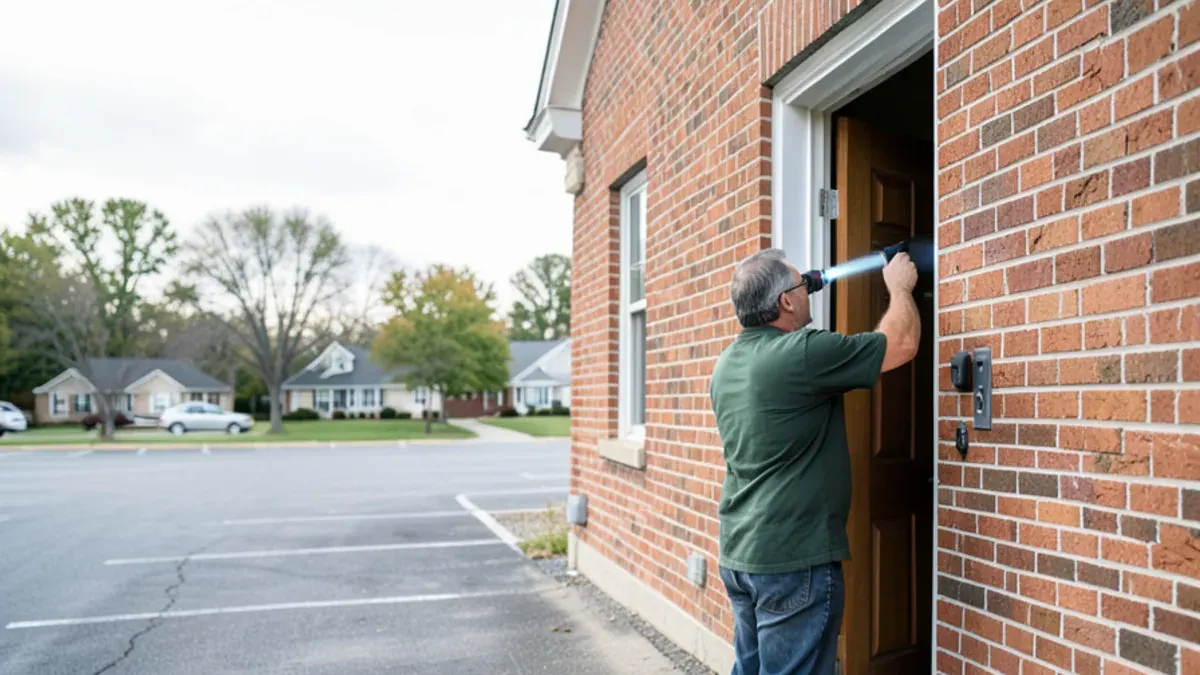
Where we do this work
- Columbus About 56% of Columbus homes are rented, so apartment managers and food businesses need records at every visit.
- Whitehall Whitehall is 61% rented and requires landlords to register rentals, while East Broad Street holds the shops and restaurants.
- Groveport Distribution centers near Rickenbacker International Airport take in trucks and pallets, which means dock doors and rodent pressure.
- Obetz Warehouse and distribution employers fill the Rickenbacker-area logistics zone, so loading doors and stored product need regular checks.
- Reynoldsburg About 39% of homes are rented, and the city spans three counties, so apartment and retail sites both appear.
- Grandview Heights Grandview Yard apartments opened in 2012 beside older buildings, and 43% of homes are rented.
- Dublin Bridge Park is a mixed-use development on the Scioto River, so one building can hold several kinds of tenants.
- New Albany The New Albany International Business Park brings large newer buildings that still take in deliveries from elsewhere.
- Westerville Uptown is the historic downtown, where older storefronts share walls, and Otterbein University adds seasonal move-ins.
We serve businesses across Columbus, including Dublin, Grove City, Reynoldsburg, Westerville and Hilliard. Gahanna sits near the airport, and Obetz and Groveport are in the Rickenbacker area. See every service area. Further afield, call us from Ostrander, Pickaway County and Plain City.
Commercial Pest Control: common questions
How quickly can you respond to a commercial pest call?
Same-day visits happen when the schedule allows, and customers mention them in reviews. We do not promise a response time, because a full day is a full day. Call early, say whether food, guests or residents are affected, and we will tell you plainly when we can be there.
Can you schedule visits around business hours?
Yes, inside our own hours, which include Saturday from 10 to 5. Most inspection and treatment work can happen quietly during a slow stretch of your day, and a Saturday slot may suit a business that closes on weekends. Tell us your slow hours on the first call and we will plan around them.
How often should a commercial site be serviced?
It depends on pest pressure and the type of site. Visit spacing can be biweekly, monthly, bimonthly or as needed. An active problem usually starts at the shorter end and relaxes as the counts fall. The inspection sets the start, and the written records show when spacing visits out is reasonable.
What kinds of Columbus businesses do you work with?
Our commercial history is food businesses, hotels and apartment managers, and the company has worked with hundreds of homeowners, hotels and restaurants across central Ohio. For offices, retail, warehouses, healthcare and schools, we explain how we would approach the site, and you decide whether that fits. We never list client names.
Do you offer one-time visits to businesses, or only recurring service?
Both exist. A one-time visit suits a single problem such as a wasp nest by the entrance, while recurring visits suit food, lodging and housing where pests return. We explain the arrangement and the price before work starts. Ask any company, including us, to show in writing how a plan can be changed.
Sources
- Orkin, Top 50 Bed Bug Cities, 2024 list (treatments December 2022 to November 2023)
- Orkin, Rattiest Cities list, 2026
- U.S. Census Bureau, American Community Survey 2019-23, Columbus housing tenure
- Columbus Public Health, Columbus Health Code
- Ohio Department of Agriculture, Pesticide Business License lookup
- Ohio State University Extension, General Pest Control Category 10a training page (category scope)
What customers say
4.5 stars from 55 Google reviews, checked November 2026. Read more reviews · Leave a review
I manage a few rental properties around the city and Mr Boyde is the only exterminator that I can rely on to be on. Only had to make 1 visit and the problem was resolved.
Robert has been great to work with, he is quick to respond and professional. We are a small family business ourselves and like working with people with the same philosophy who take care of their clients.
Mr. Boyde’s company is responsive and honest. They answer phone calls, give estimates, and come to your home quickly. Pricing is true to market price with no surprise charges.
Set up a site walk-through
Call with your address and your biggest worry. We will explain the options and the price before any work starts.
- Serving Columbus since 1990
- 4.5★ from 55 Google reviews
- Owner-run, based on Dunning Rd
- One-time or recurring service
Boydes Exterminating Co, 1967 Dunning Rd, Columbus, OH 43219