
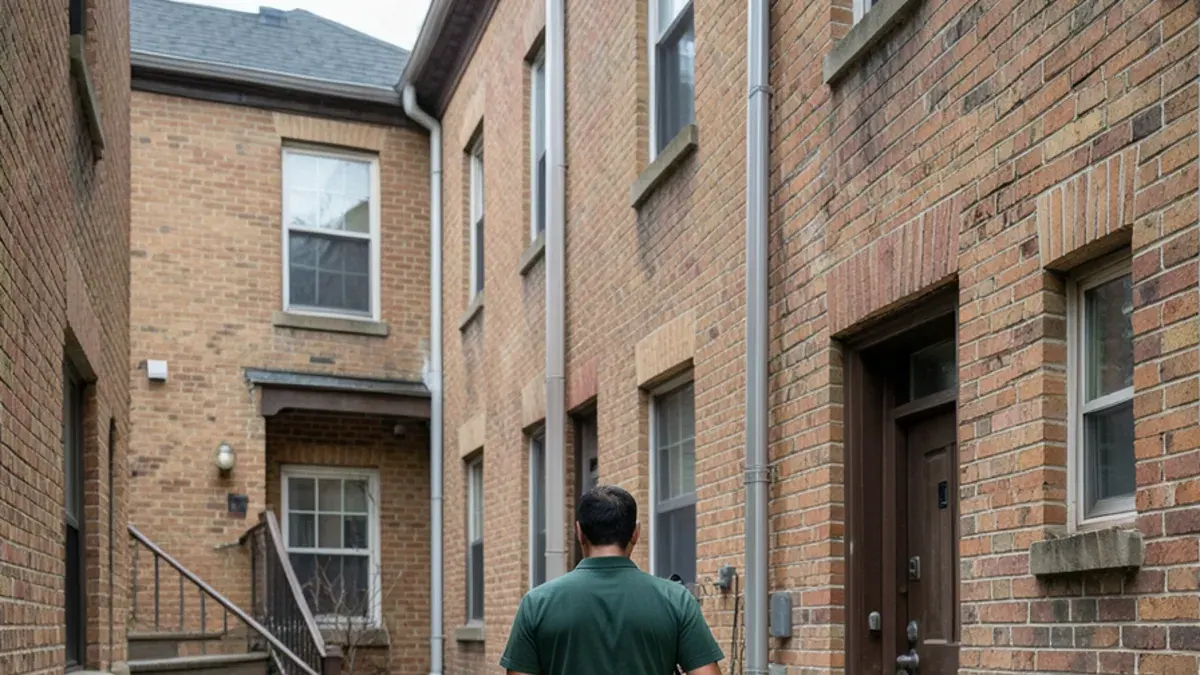
Boydes Exterminating Co
Apartment & Property Manager Pest Control in Columbus, OH
Apartment pest control in Columbus, OH is a building problem, not a unit problem, and the manager who treats it that way spends less. Boydes Exterminating Co works with apartment managers and landlords, from owners with a few rentals to buildings with dozens of doors.
- Serving Columbus since 1990
- 4.5★ from 55 Google reviews
- Owner-run, based on Dunning Rd
- One-time or recurring service
Roaches, bed bugs and mice travel through shared walls, pipe chases and laundry rooms, so one unit is rarely the whole story. This page is part of our commercial pest control in Columbus work and covers the rules, the process and the schedule.
Property manager pest control in Columbus: whose job is it?
Columbus Public Health enforces a health code that puts the duty to eliminate pests on whoever owns a building with two or more units. The same code expects dwellings to be kept rodent-free and insect-free, and openings of half an inch or more within 48 inches of ground level should be sealed (Columbus Health Code section 221.03). Tenants report. Owners fix.
That does not mean tenants have no part. Clutter, food left out and moving in infested furniture all feed a problem. Our post on who pays for pest control in an Ohio rental sorts out the common arguments.
How do you handle adjoining units in an infestation?
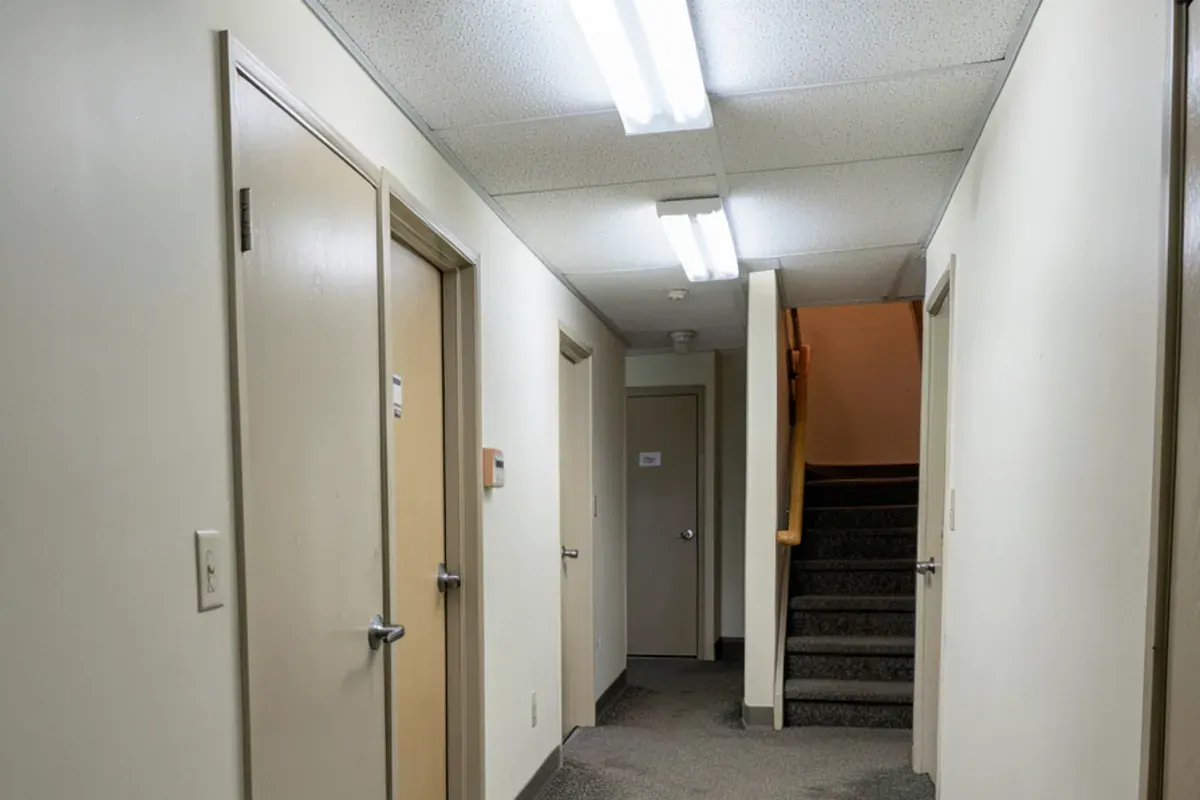
We inspect the unit that called, then the ones that share a wall, floor or ceiling with it. A roach in 2B often lives in 2A and 3B as well. Treating one unit can push pests next door, and the problem comes back.
For multifamily buildings we also look at the common spaces: trash rooms, laundry rooms, mechanical closets and pipe chases. Our property manager's guide to roaches in multifamily buildings explains how German cockroaches move between apartments.
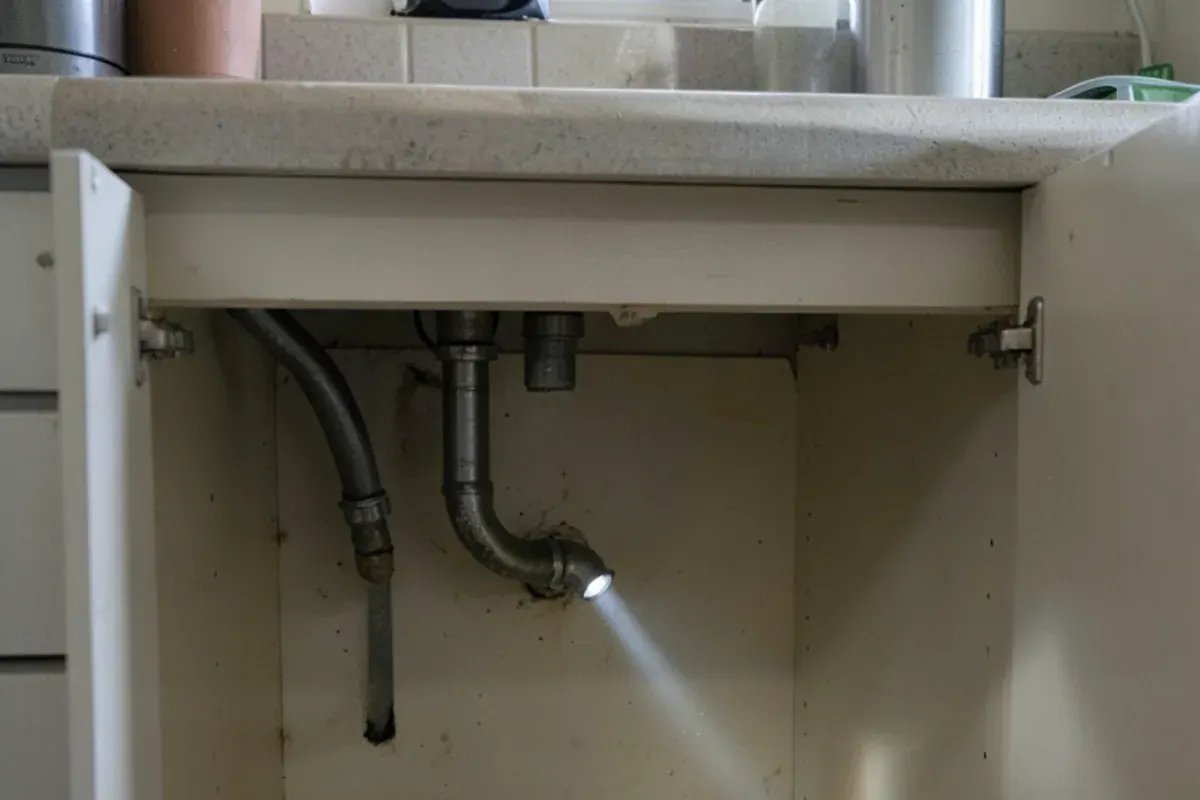
Got a unit with roaches next to one that does not?
Call before you treat it alone. We will check both sides of the wall first.
- Serving Columbus since 1990
- 4.5★ from 55 Google reviews
- Owner-run, based on Dunning Rd
- One-time or recurring service
Prefer to write it down?
Calling is fastest. The form comes to the same desk, and we call you back during business hours.
Call (209) 563-1650Multifamily pest control in Columbus: roaches, bed bugs and mice
| Pest | Where it travels | What the building needs |
|---|---|---|
| German cockroach | Kitchens, bathrooms, shared plumbing | Treatment of adjoining units, sealed pipe gaps, unit-by-unit follow-up |
| Bed bugs | Beds, couches, shared walls, laundry rooms | Inspection of neighbors, a prep plan for tenants, residual or heat treatment |
| Mice | Gaps around pipes, foundations, dumpsters | Exclusion of entry points, trap and bait placement, trash handling |
About 56% of Columbus homes are rented (ACS 2019-23), and the share is higher in places like Whitehall and Urbancrest. More renters means more turnover and more furniture moving between units.
What should tenants be told before a treatment?
Written notice works better than a knock on the door. Tell residents the date and window, what to clear (baseboards, the cabinet under the sink, closet floors) and that we will ask about pets, children and allergies before anything is applied. Products go on per label directions, and the label sets the re-entry time. Residents who know the plan prepare the unit, and prepared units get better results.
How do you track a building unit by unit?
- One line per unit per visit: date, findings, treatment, and what maintenance still owes
- A flag for units that refused access, so the next visit tries again and the refusal is on record
- A list of common spaces checked: trash room, laundry, mechanical closets and pipe chases
- A note on repeat units, since two returns in a row point to a neighbor or a structural gap
This is the record that settles a tenant dispute or a housing authority review. It also shows you whether the building is improving.
Can you treat units between tenants?
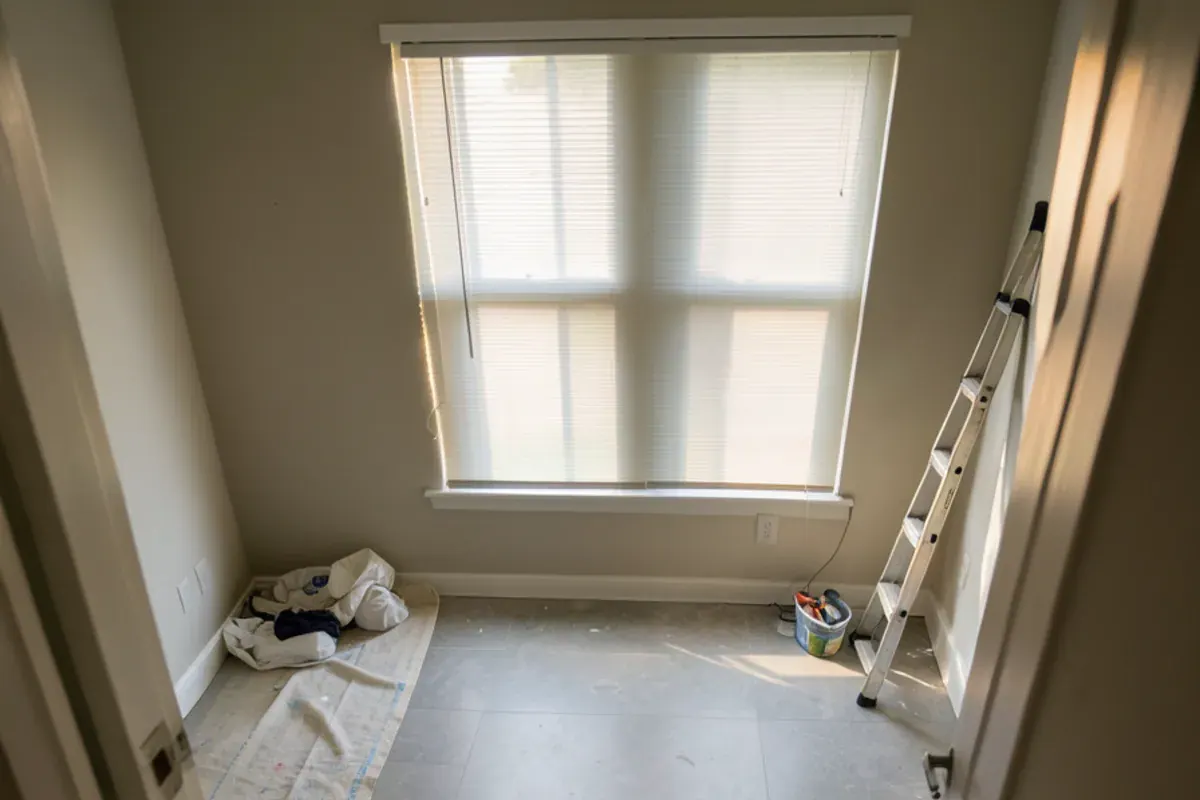
Yes. A vacant unit is the easiest one to treat, because nothing needs to be bagged and nobody needs to leave. Unit turns are also the point where a past problem gets exposed or a new one gets prevented. Schedule us before paint and flooring work:
- Inspect at move-outWe check kitchens, baths and bedrooms for activity before anything is cleaned or removed.
- Treat before the finish workCrack and crevice work goes in before the painters and flooring crew close up the evidence.
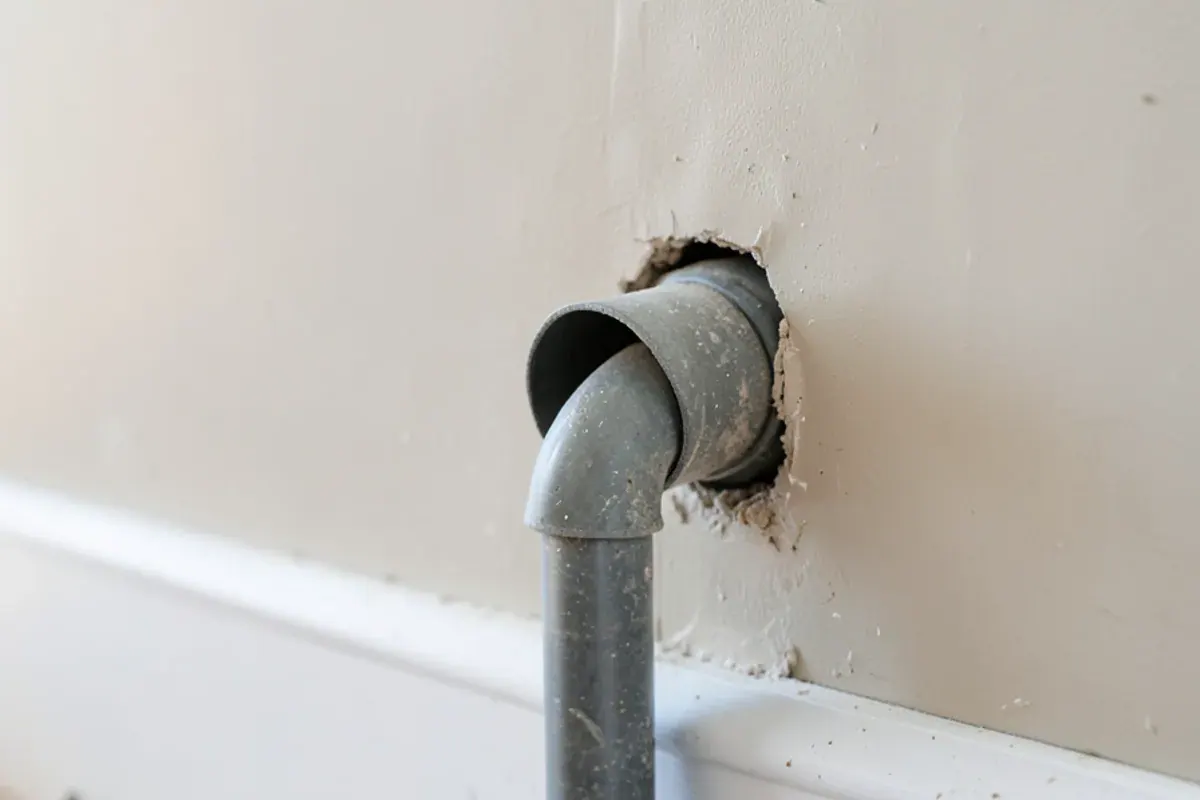
- Seal what we findGaps around pipes and under sinks get flagged for your maintenance team.
- Log the unitThe date, findings and treatment go into the building record, so the next turn starts with history and not guesswork.
- Re-inspect before move-inA quick check confirms the unit is ready for the next tenant.
Do you work with landlords who own a few rentals?
Yes. A landlord with two duplexes gets the same inspection as a manager with a complex. For small portfolios, we can set one routine visit across properties. Larger buildings call for a schedule, biweekly, monthly, bimonthly or as needed, set from the first inspection.
Section 8 and other subsidized units are inspected by the housing authority, so ask yours what it looks for and keep the service reports for your file. Pricing depends on the type and extent of the problem and the number of units, and we explain it before work starts.
Landlord pest duties in Ohio: ORC 5321.04, Columbus code and vetting a vendor
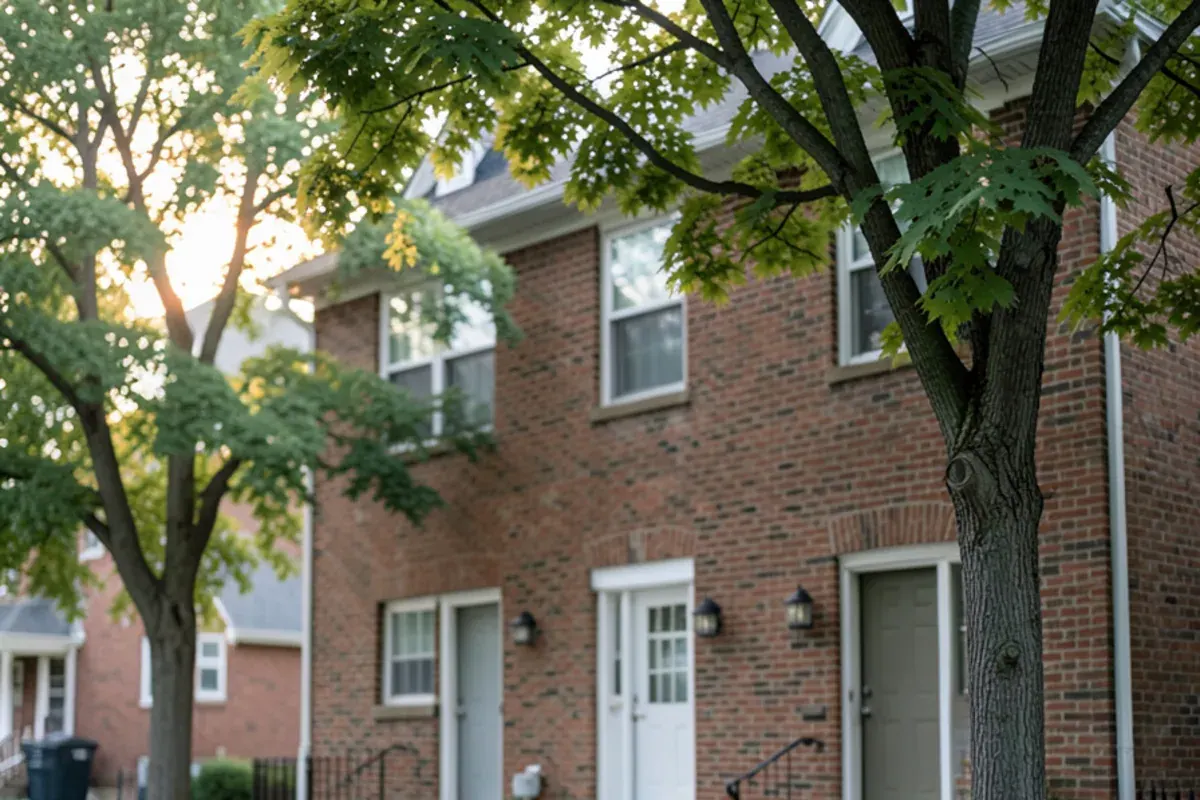
Two layers of law apply to a rental. Ohio Revised Code 5321.04 requires a landlord to keep the premises fit and habitable and to comply with health and safety codes. Inside Columbus, the city health code adds that the owner of a building with two or more units is responsible for eliminating pests (Columbus Public Health). Other cities and villages set their own rules, so check your own address.
When you hire a vendor for several buildings, check that the company holds an ODA Pesticide Business License in ODA's public search. Ohio requires it for pesticide work done for hire. Then ask how they handle access, what the notice to residents says, and whether the report lists each unit separately.
Why Boydes Exterminating for this work
Apartment managers, hotels and food businesses are the commercial work this company has done in central Ohio since 1990, under founder Mr. Robert Boyde and now owner Robert J. Boyde Jr.
We ask about neighboring units on every shared-wall job, because that is where a repeat problem comes from. The return rhythm can be biweekly, monthly, bimonthly or as needed.
You receive documentation after an inspection, useful for tenant disputes and housing authority reviews. We ask about allergies at every visit.
Reviewers call our pricing fair with no surprise charges, and the number is explained before work starts. You can pay by cash, check, debit or credit card when the job is done.
The shop at 1967 Dunning Rd sits on the east side of Columbus, close to the rental blocks where this work is most common.
Where we do this work
- Columbus About 56% of Columbus homes are rented, so managers deal with turnover, shared laundry and constant move-ins.
- Whitehall Whitehall is 61% rented and requires landlords to register rentals, with Norton Crossing apartments beside older doubles.
- Urbancrest About 77% of Urbancrest homes are rented in a village of 0.6 square miles, so one building matters to the street.
- Reynoldsburg About 39% of homes are rented, and apartment complexes share kitchens and plumbing that carry German roaches.
- Grandview Heights Grandview Yard added apartments from 2012, and 43% of homes are rented in duplexes and converted houses.
- Bexley Older apartment buildings and houses cut into units sit near Capital University, where student moves bring luggage and furniture.
- Gahanna About 31% of homes are rented, and condo buildings with shared walls and laundry rooms give roaches a route between units.
- Lincoln Village A planned community from 1955 with a median home built in 1962 and 38% of homes rented.
- Huber Ridge Thirty percent of homes are rented in a small area built around 1969, so a few buildings set the street's pest pressure.
Apartment managers call us from across Columbus, including Whitehall, where about 61% of homes are rented. We also serve Urbancrest, Reynoldsburg and Grove City. See every service area.
Apartment & Property Manager Pest Control: common questions
Do you work with landlords who own a few rentals?
Yes. A landlord with a duplex gets the same inspection as a manager with a complex, and a few properties can sit on one routine. The inspection shows whether you need a single visit or a recurring schedule. We explain the price before we start, so you can compare it against your options.
How do you handle adjoining units in an infestation?
We inspect the units that share a wall, floor or ceiling with the one that called, plus common areas such as laundry and trash rooms. Treating only one unit tends to move pests next door. If tenants resist access, tell us early, and we can suggest wording for the notice you send.
Can you treat units between tenants?
Yes, and it is the easiest time to do it. An empty unit needs no bagging or moving out, and treatment can go in before paint and flooring. Schedule us soon after move-out. We inspect, treat and flag gaps for maintenance, then re-check before the next tenant arrives.
Who is responsible for roaches, the tenant or the owner?
In a multi-unit building, the Columbus Health Code makes the owner answerable for clearing pests, per Columbus Public Health. Tenants should report problems promptly and prepare their unit as instructed. Check your lease and your local code office for details, since each case has its own facts.
How long does a roach treatment take in an apartment building?
One visit rarely finishes the job. Roach work in multifamily buildings runs through follow-up visits, since eggs hatch after the first treatment. Visit count follows the number of affected units and how well tenants prepare. We give you a realistic timeline after the inspection, not before.
Sources
What customers say
4.5 stars from 55 Google reviews, checked November 2026. Read more reviews · Leave a review
I manage a few rental properties around the city and Mr Boyde is the only exterminator that I can rely on to be on. Only had to make 1 visit and the problem was resolved.
Robert has been great to work with, he is quick to respond and professional. We are a small family business ourselves and like working with people with the same philosophy who take care of their clients.
Mr. Boyde’s company is responsive and honest. They answer phone calls, give estimates, and come to your home quickly. Pricing is true to market price with no surprise charges.
Put your units on a schedule
Give us your address list and your worst building. We will propose a visit rhythm and explain the price before anything is treated.
- Serving Columbus since 1990
- 4.5★ from 55 Google reviews
- Owner-run, based on Dunning Rd
- One-time or recurring service
Boydes Exterminating Co, 1967 Dunning Rd, Columbus, OH 43219