
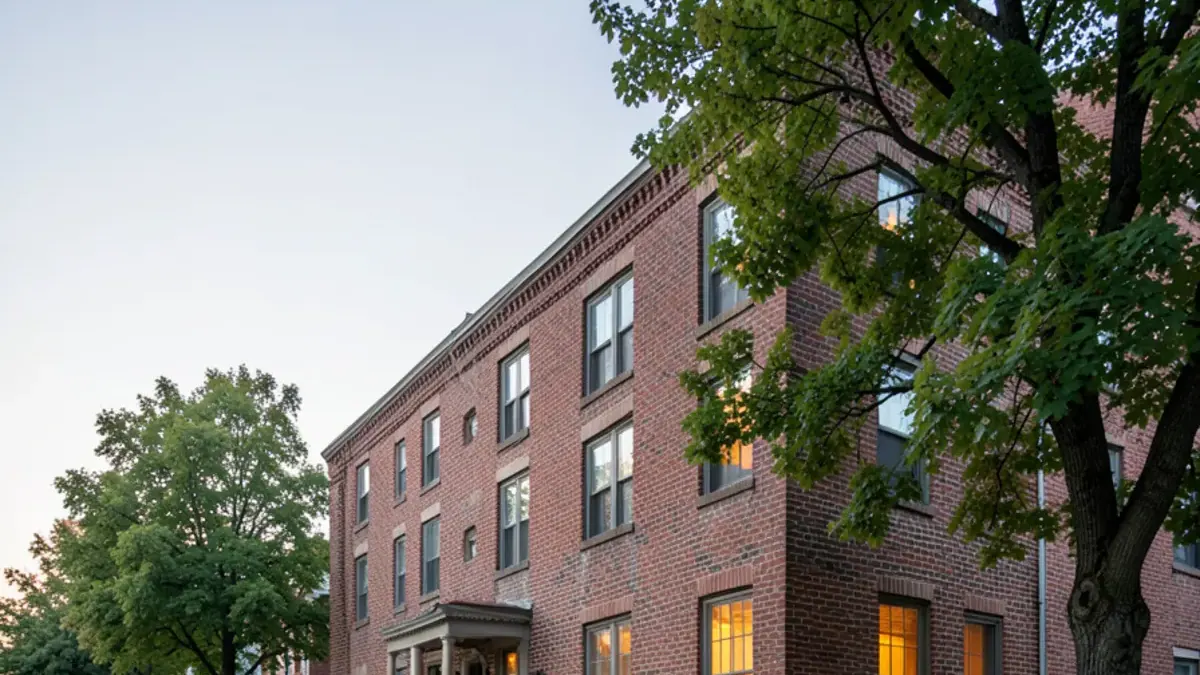
Commercial Pest Control
Who Pays for Pest Control in an Ohio Rental?
Landlord responsibility for pest control in Ohio depends on the building and the cause. ORC Chapter 5321 requires landlords to follow health and housing codes and keep a rental fit to live in, while tenants keep their own space clean. Columbus Public Health describes the owner of a dwelling with two or more units as the party responsible for eliminating pests.
- Serving Columbus since 1990
- 4.5★ from 55 Google reviews
- Owner-run, based on Dunning Rd
- One-time or recurring service
This is general information, not legal advice. Suburbs around Columbus have their own codes, and your lease may change how costs are split in practice, so read the lease and check with your local health or code office before you act. We are a pest control company, not a law office, and we do not decide who owes what.
What does Ohio law say about landlords and pests?
Under ORC 5321.04, a landlord must comply with building, housing, health and safety codes that materially affect health and safety, and must make repairs needed to keep the premises fit and habitable. The statute speaks in general terms. It is the local code that gets specific about insects and rodents.
Tenants have duties as well. ORC 5321.05 requires a tenant to keep the part of the premises they occupy safe and sanitary, which includes disposing of trash and garbage properly. A unit with food left out and heavy clutter can shift the conversation.
If a landlord does not meet a duty, ORC 5321.07 sets out tenant remedies that begin with written notice to the landlord and can run through the court. Do not simply stop paying rent on your own. Talk to legal aid or an attorney first, because the remedy follows a process.
How does written notice work under ORC 5321.07?
The statute and the forms Ohio municipal courts publish describe the same path. The tenant sends written notice to the landlord, or to the place rent is normally paid, that describes the problem. The remedies that can follow include depositing rent with the clerk of the court, asking the court for an order, or ending the rental agreement. Local court forms say the tenant should be current on rent when using the deposit option.
The exact steps and timing vary by court, so check your own municipal court clerk before you act. Keep a dated copy of everything you send. A pest company's report can support the notice, but the notice itself is a legal step, and that part is for legal aid or an attorney.
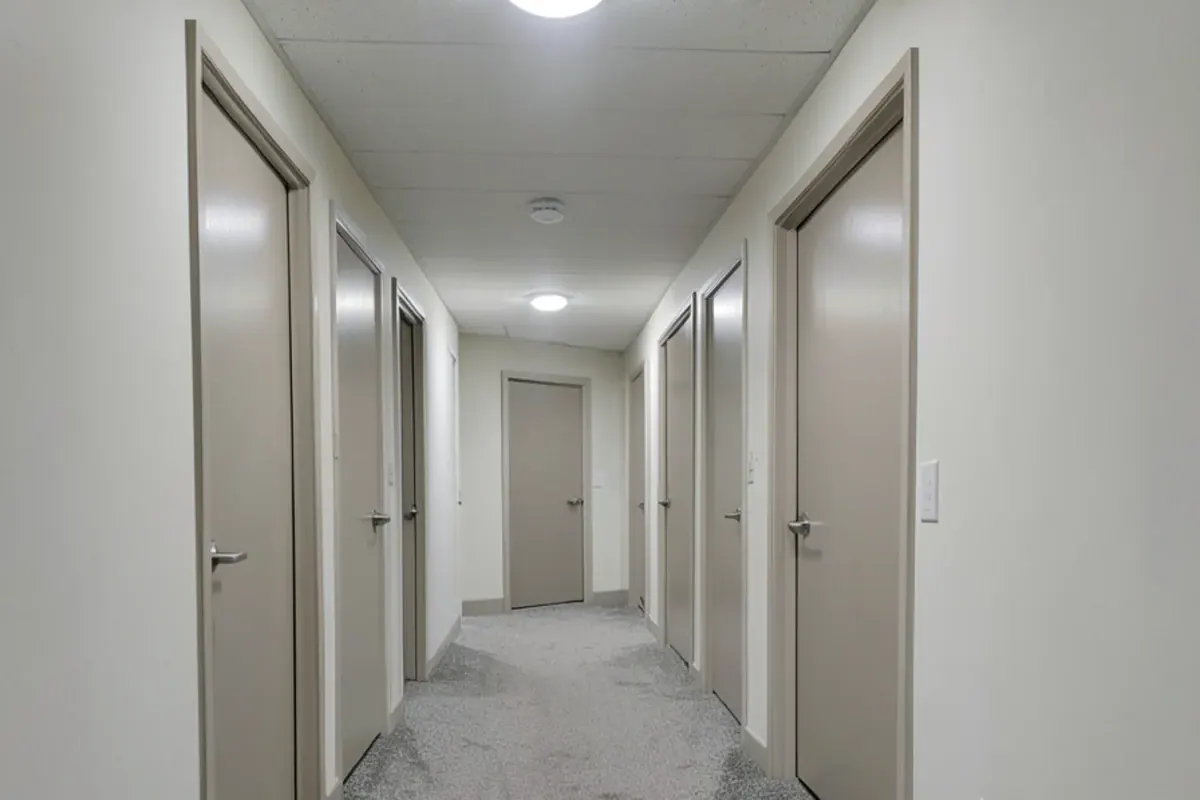
Managing a building with a pest complaint?
Tell us the unit count, the pest and how long it has been going on. We will explain the plan and the price before any work starts.
- Serving Columbus since 1990
- 4.5★ from 55 Google reviews
- Owner-run, based on Dunning Rd
- One-time or recurring service
What does the Columbus Health Code add for owners?
According to Columbus Public Health, the Columbus Health Code makes the owner of a dwelling with two or more units responsible for eliminating pests. That is a building-level duty. It does not depend on whose unit the first roach showed up in.
The same code, at section 221.03, calls for dwellings to be kept free of rodents and insects, and Columbus Public Health advises sealing openings of half an inch or more within 48 inches of ground level. Mice get through gaps smaller than most people expect, so that measurement matters to owners deciding what to repair.
Whitehall, Reynoldsburg, Gahanna and other suburbs set their own housing and health rules. Do not assume the Columbus language applies in your city. Call the local health district or code office and ask.
Who usually pays in common rental situations?
There is no single answer, but patterns show up. This table describes how the question is commonly approached, not what a court would decide.
| Situation | Often falls on | Why |
|---|---|---|
| Roaches in a multi-unit building | Owner | Columbus owner duty for two or more units, and roaches travel between units |
| Mice entering through gaps | Owner | Gaps are a building condition, covered by the code duty to keep dwellings rodent-free |
| Bed bugs in one unit of a larger building | Owner, with tenant prep | Owner arranges treatment, tenant does the prep work in the unit |
| Pests tied to clutter or food left out | May shift to tenant | Tenant duty to keep the unit sanitary under ORC 5321.05 |
| Single family rental | Check the lease | The Columbus owner duty cited here is for two or more units, so the lease and general habitability matter more |
ORC 5321.13 says no provision of Chapter 5321 can be modified or waived by agreement, with an exception that lets a landlord take on tenant duties. So a lease clause cannot simply erase a landlord duty the statute imposes. What a clause means in your case is a question for an attorney.
How much notice must a landlord give before a treatment visit?
ORC 5321.04 requires a landlord to give a tenant reasonable notice before entering, and it presumes 24 hours is reasonable unless evidence shows otherwise. Emergencies and cases where notice is impracticable are treated differently. A scheduled pest treatment is rarely an emergency, so expect a written or posted notice with a date and window.
Tenants who want treatment still need to let it happen. A unit that cannot be reached on three tries often ends up with a building where the pest keeps traveling. If the time does not work, say so in writing and offer another date. That keeps the record clean for both sides.
What should a tenant do first?
- Record what you see with dated photos and notes on where and when.
- Tell the landlord or manager in writing. Email works, and a copy for yourself matters.
- Give access for inspection and treatment, and follow the prep instructions you are given.
- Keep food sealed and trash out, so nobody can point to your habits later.
- If nothing happens, contact your local health or code office, and speak with legal aid before taking any rent action.
Written notice is the thread that runs through most of this. It starts the clock and shows you asked.
What should a landlord do first?
- Answer the complaint in writing, quickly, and set an inspection date.
- Check the neighboring units, above and below, because pests rarely stay in one apartment.
- Bring in a pest company and ask for a written report you can keep with the tenant file.
- Send clear prep instructions, and offer help to residents who cannot lift furniture or bag laundry.
- Fix the building side, such as gaps, damaged door sweeps and leaking pipes, or treatment will not last.
Our apartment pest control page explains how building-wide work runs, and the property manager guide to roaches in multifamily goes deeper on the planning.
Who handles prep work and repairs after a treatment?
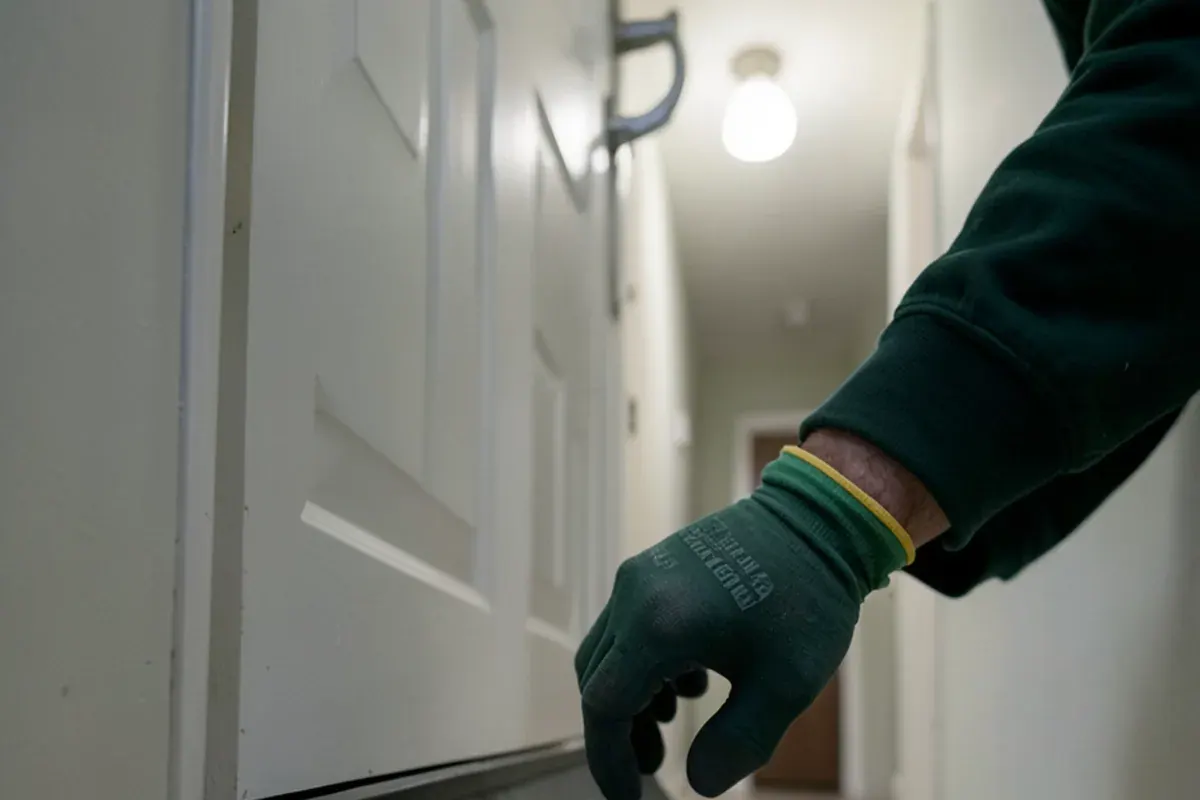
Treatment and repair are two different jobs, and mixing them up is where many rental disputes start. In practice, the owner arranges the treatment and the building repairs, while the tenant handles the prep inside the unit.
- Owner or manager: books the pest company, treats adjoining units, seals gaps, replaces damaged door sweeps and fixes leaks that feed roaches and silverfish.
- Tenant: clears floors and cabinet fronts, bags laundry when asked, empties the trash and gives access on the scheduled date.
- Both: report new sightings in writing and keep the follow-up dates, since biweekly, monthly or bimonthly visits only work when every unit takes part.
Residents who cannot lift furniture or carry bags of laundry should say so early. A manager who plans for that saves a failed visit and a second round of treatment.
Where a pest company fits in the question
We do not settle who pays. We find what is going on, treat it, and document it. Owners of rentals get an inspection report, tenants get clear prep steps, and both can use the paperwork however their situation calls for.
What we do see is that fights over cost drag on longer than the pests do. A building that starts treatment the week a complaint arrives usually spends less than one that waits for a second and third unit to fill up.
We ask about allergies, pets and kids at each visit, and we explain the price before work begins. If you manage a building and want a plan with biweekly, monthly or bimonthly follow-ups, we set that up through our commercial pest control service.
Treatment has limits in a rental. If one unit in a building refuses access, the neighbors can keep the problem going. If a leak or a wall gap is left open, the pests return after the product wears off. We tell owners that plainly, because spending on a service while the cause stays open is the costly path.
Some sightings are not worth a call. A single silverfish in a damp bathroom does not call for a building plan. Bring us in when you see the same pest across more than one unit, bites that keep coming, droppings or a complaint that has already gone back and forth twice.
Related questions
Can a tenant withhold rent for roaches in Ohio?
Not on their own. ORC 5321.07 gives tenants remedies after written notice to the landlord, and those run through a court process rather than simply skipping rent. Missing rent can put you at risk of eviction. This is not legal advice, so speak with legal aid or an attorney before doing anything with your rent.
Who pays for bed bugs in an Ohio rental?
In a multi-unit Columbus building, the owner generally carries the pest elimination duty under the Columbus Health Code as described by Columbus Public Health, and tenants usually handle prep inside their unit. Leases, suburbs and the cause of the infestation can change that, so check your lease and local code office.
Do Columbus suburbs follow the same pest rule?
Not necessarily. The owner duty we cite comes from the Columbus Health Code. Cities like Whitehall or Reynoldsburg adopt their own housing and health rules, and townships may be handled by a county health district. Call the local office for your address and ask which code covers pests.
Can a lease make the tenant pay for pest control?
A lease can set expectations, but ORC 5321.13 says Chapter 5321 provisions cannot be modified or waived by agreement, apart from an exception that lets a landlord take on tenant duties. How that applies to a specific clause is a legal question. Bring the lease to an attorney or legal aid office.
How much notice must an Ohio landlord give before entering for pest treatment?
ORC 5321.04 requires reasonable notice before a landlord enters, and it presumes 24 hours is reasonable in the absence of evidence otherwise. Emergencies are treated differently. Your lease and local rules may add detail, so ask the landlord for the date in writing and check with legal aid if you have a dispute. This is not legal advice.
If pests have shown up in a rental, document it, send the notice and get the building inspected. For owners and managers, our apartment pest control service covers building-wide plans, and the commercial pest control overview explains the rest. We serve Columbus and Whitehall, so call (209) 563-1650 and tell us about the building.
Sources
Questions about this? Call the shop.
Tell us what you are seeing and we will tell you what happens next.
- Serving Columbus since 1990
- 4.5★ from 55 Google reviews
- Owner-run, based on Dunning Rd
- One-time or recurring service
Boydes Exterminating Co, 1967 Dunning Rd, Columbus, OH 43219