
Boydes Exterminating Co
Office & Retail Pest Control in Columbus, OH
Office pest control in Columbus, OH is mostly about small problems caught early: ants in the break room, mice behind the copier, a roach near the coffee station. The methods we use for food businesses, hotels and apartment managers apply here too. This page covers how those visits run.
- Serving Columbus since 1990
- 4.5★ from 55 Google reviews
- Owner-run, based on Dunning Rd
- One-time or recurring service
The goal is a plan your staff and customers barely notice. This page is part of our commercial pest control in Columbus work and covers what shows up, when we can visit and who pays.
Which pests are most common in Columbus offices?
Offices run on snacks, coffee and shared kitchens, so food pests lead the list. Ants follow sugar trails from the break room window. German cockroaches ride in on grocery bags and cardboard. Mice come in from a loading area or an old building's wall voids. Spiders and silverfish settle in storage rooms and file closets.
Orkin ranked Columbus No. 15 on its 2026 list of rattiest cities, which is a reminder that rodents work around dumpsters and alleys behind office buildings too.
Retail pest control in Columbus: stockrooms, entrances and food aisles
A store has two faces. The sales floor is polished, and the stockroom behind it is cardboard, pallets and receiving doors. Pests live in the second and appear in the first.
- Back stock and cardboard: roaches, silverfish and mice use stacked boxes as cover
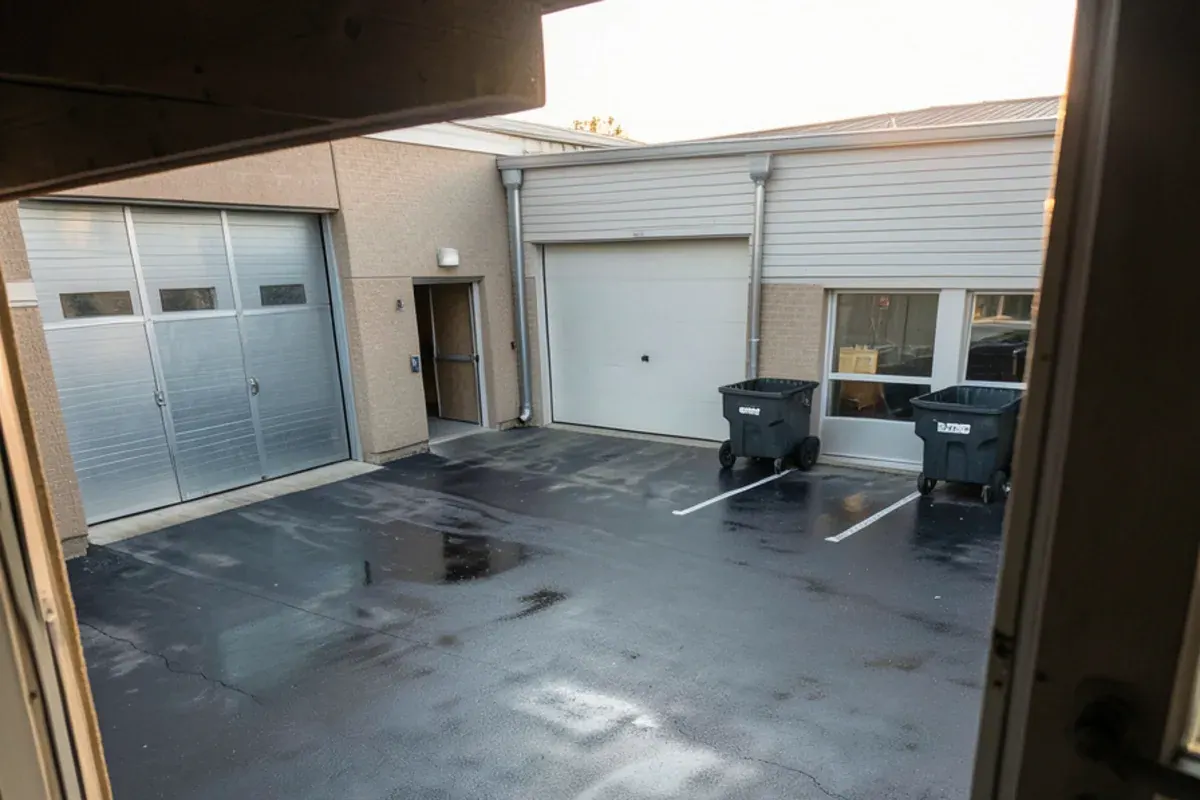
- Receiving doors: gaps at the threshold let mice and flies in
- Food and pet aisles: stored product pests (small beetles and moths that infest dry goods) can hide in packaging
- Entrances: paper wasps and yellow jackets may build near doors from spring through fall
- Restrooms and floor drains: flies and drain pests breed in damp traps

Something in the break room?
Call and tell us what you saw and where. We can suggest what to leave alone until we arrive.
- Serving Columbus since 1990
- 4.5★ from 55 Google reviews
- Owner-run, based on Dunning Rd
- One-time or recurring service
Prefer to write it down?
Calling is fastest. The form comes to the same desk, and we call you back during business hours.
Call (209) 563-1650How do you keep treatment discreet in a store?
We place bait and traps in voids, behind shelving and in staff-only spaces, not across the sales floor. Treatment is mostly crack and crevice work: small amounts of product put where pests travel, so there is little to see and nothing for customers to step around. Products go on per label directions, and we tell you the re-entry time before you reopen an area.
We ask about allergies, pets and children in the building, since a store may have all three on a Saturday. Tell us which areas customers touch and which they do not.
Can you service an office after hours?
We work within our own posted hours, which include Saturday from 10 to 5. For an office that closes on weekends, a Saturday visit may be the quietest option, and weekday visits can be timed to a slow stretch. We do not promise overnight work. Ask when you call, and we will tell you what fits our schedule.
Most office visits are short: an inspection, a handful of placements and a report. Staff often do not notice we were there.
What can staff do between visits?
- Keep break room food in sealed containers and take the trash out at the end of each day
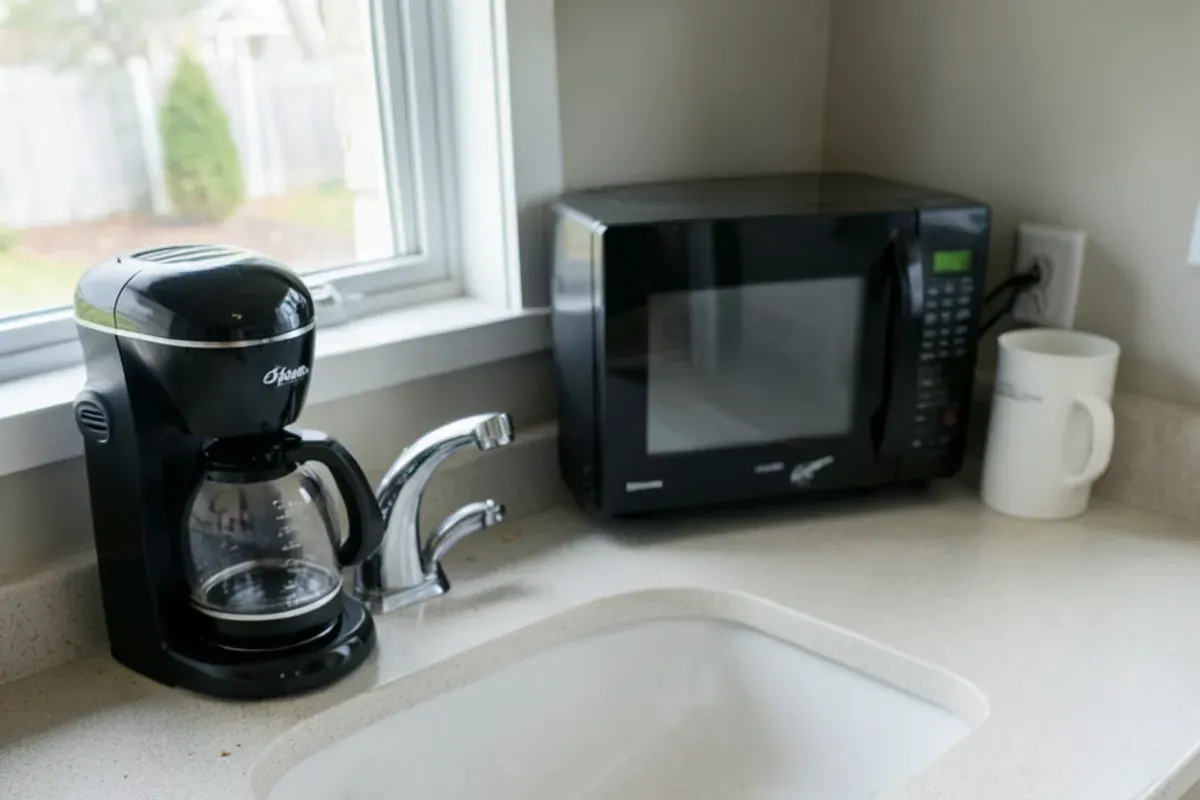
- Wipe the coffee station and microwave, where sugar and crumbs collect
- Keep cardboard and paper stock off the floor and away from the wall
- Photograph any sighting with the date and place, and send it with your next call
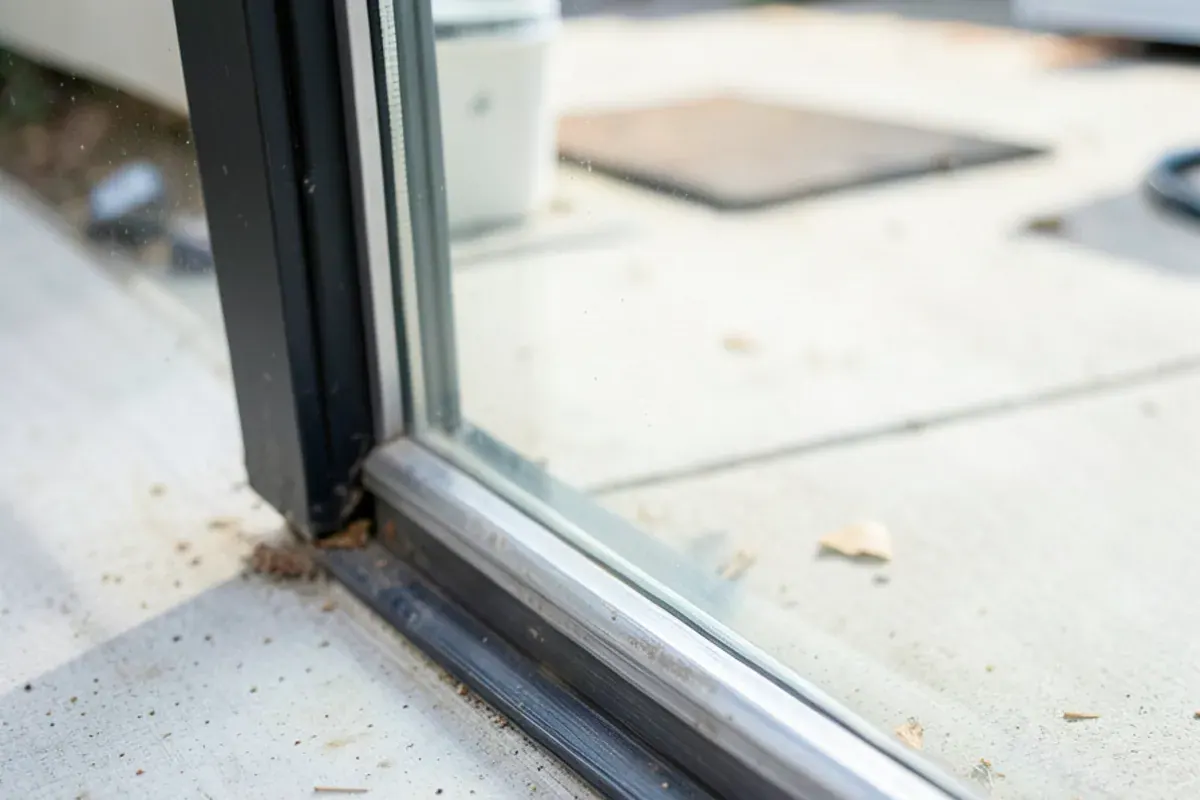
- Report a door that will not close tight or a gap you can see daylight through
Medical office, shopping center and multi-tenant pest control: who handles what?
In a multi-tenant building, your lease usually decides whether the landlord or the tenant arranges pest control, so read it first. Pests ignore property lines. A shop with a clean stockroom can still get mice from a neighbor's storage. For a shopping center, a single plan across tenants tends to work better than separate calls.
A medical office adds patients with health concerns, so see our page on healthcare and senior living pest control. Keep service reports in a binder for your landlord or manager, as our pest control logbook post describes.
Who usually hires the pest vendor in a multi-tenant building?
In most multi-tenant buildings the landlord or property manager contracts for common areas such as corridors, dumpster enclosures and shared break rooms, and each tenant handles the inside of its own suite. Your lease decides, so read it before you call. Ohio's landlord-tenant act, Chapter 5321 of the Revised Code, covers residential leases, so a commercial lease is the document that matters here.
How does an office or store program run, step by step?
The first visit is the longest. After that, the program is short visits and a record that gets shorter as the problem fades.
- Walk the site with your managerWe look at the break room, restrooms, stockroom, receiving door and the outside wall, and ask where staff have seen anything.
- Identify what is thereAnt species, roach type and mouse signs each call for a different answer, so the pest gets named before product comes out.
- Treat out of sightCrack and crevice work, bait and traps go in voids, behind shelving and in staff-only spaces, per label directions.
- Flag what only you can fixDoor sweeps, cardboard stacked on the floor and a leaking trap under the break room sink go on a short list for your team.
- Set the rhythm and reportYou leave with the next visit date and a written report. Return trips are biweekly, monthly, bimonthly or as needed.
What does office and retail pest control cost?
Pricing depends on the type and extent of the problem, the square footage and how often you want visits. A small office with an occasional ant can be a single visit. A store with a recurring problem needs a rhythm, biweekly, monthly, bimonthly or as needed. We explain the price before we start.
Commercial lease, ODA license and retail food rules for Ohio stores and offices
For a leased office or store, the lease sets who arranges pest control. Ohio's landlord-tenant act in Chapter 5321 of the Revised Code is a residential law, so do not assume its rules cover commercial space. Read the clause on common areas and on the premises, and ask the landlord who contracts the vendor.
Any company that applies pesticides for hire in Ohio needs an ODA Pesticide Business License, which you can check in ODA's public search. A store that sells or handles food falls under the Ohio Uniform Food Safety Code, which covers retail food establishments, so shelves and stockrooms are inspected too. Ask the vendor for the product name, the label's re-entry time and a written report after each stop.
Why Boydes Exterminating for this work
We work with food businesses, hotels and apartment managers, and inspection, exclusion and documentation work the same way in an office or store.
Mr. Robert Boyde launched the business, and today owner Robert J. Boyde Jr. runs it from 1967 Dunning Rd. You usually deal with him directly.
We provide documentation after an inspection, and we ask about allergies at each visit. Follow-up can run biweekly, monthly, bimonthly or as needed.
Pricing depends on the problem, and we explain it first. At the end of a visit you can settle up by cash, check, debit or credit.
Reviewers say answers were honest and some visits were same-day when the schedule allowed.
Where we do this work
- Columbus Polaris has newer homes and retail on the far north end, and Columbus ranks No. 15 on Orkin's 2026 rat list.
- Dublin Bridge Park mixes apartments, offices and restaurants on the Scioto River, so tenants share walls and service lanes.
- New Albany Offices and shared buildings in the New Albany International Business Park need scheduled visits and records.
- Westerville Uptown storefronts sit in older brick buildings that share walls, so one shop's pests reach its neighbor.
- Lincoln Village Stores in one shopping center, such as Lincoln Village Plaza on West Broad Street, often share dumpsters and delivery areas.
- Heath Shops and offices on the Hebron Road strip receive cardboard and pallets daily, which can carry stored-product pests.
- Sunbury Retail and food businesses near the I-71 corridor can put a pest schedule in writing.
- Gahanna Creekside in Olde Gahanna holds restaurants and a brewery on one block, with shared dumpsters and daily deliveries.
- Grandview Heights Older shopping blocks and the Grandview Yard district mix storefronts, offices and apartments in about 1.3 square miles.
We serve offices and stores in Columbus, as well as Dublin, Westerville, Hilliard and Gahanna. Browse the full list of service areas.
Office & Retail Pest Control: common questions
Can you service an office after hours?
We work within our own posted hours, which include Saturday from 10 to 5, so a weekend visit can suit an office that closes. Weekday visits can be timed to a slow stretch. We do not advertise overnight work. Tell us your schedule, and we will say plainly what fits.
Which pests are most common in Columbus offices?
Ants, German cockroaches and mice lead the list, with spiders and silverfish in storage rooms. Break rooms, shared fridges and trash areas feed them. Older buildings with shared wall voids add rodent routes. An inspection tells us which pest you have and where it is coming from.
How do you keep treatment discreet in a store?
We work in voids, stockrooms and staff areas, using crack and crevice treatment and bait placement, so little is visible on the sales floor. We tell you the re-entry time from the label for any area customers use. Tell us which parts of the store are busiest, and we will plan around them.
Do I need pest control if I have not seen anything?
Not always. An inspection can show whether you have activity or just conditions that invite it, such as gaps at a door or food left out. A plan with occasional checks suits food retail and older buildings. A quiet office may only need a call when something appears.
Who pays for pest control in a leased office or store?
Your lease usually decides, so read the maintenance and common-area sections. Landlords often handle common areas and tenants handle their suite. If a neighbor's problem is moving through a shared wall, the landlord generally needs to be involved. We provide documentation after an inspection to support the conversation.
Sources
What customers say
4.5 stars from 55 Google reviews, checked November 2026. Read more reviews · Leave a review
I manage a few rental properties around the city and Mr Boyde is the only exterminator that I can rely on to be on. Only had to make 1 visit and the problem was resolved.
Robert has been great to work with, he is quick to respond and professional. We are a small family business ourselves and like working with people with the same philosophy who take care of their clients.
Mr. Boyde’s company is responsive and honest. They answer phone calls, give estimates, and come to your home quickly. Pricing is true to market price with no surprise charges.
Plan a quiet visit
Tell us your hours, your busiest days and the areas customers use. We will fit the work around them.
- Serving Columbus since 1990
- 4.5★ from 55 Google reviews
- Owner-run, based on Dunning Rd
- One-time or recurring service
Boydes Exterminating Co, 1967 Dunning Rd, Columbus, OH 43219