
Commercial Pest Control
Commercial Pest Control Cost for Columbus Restaurants
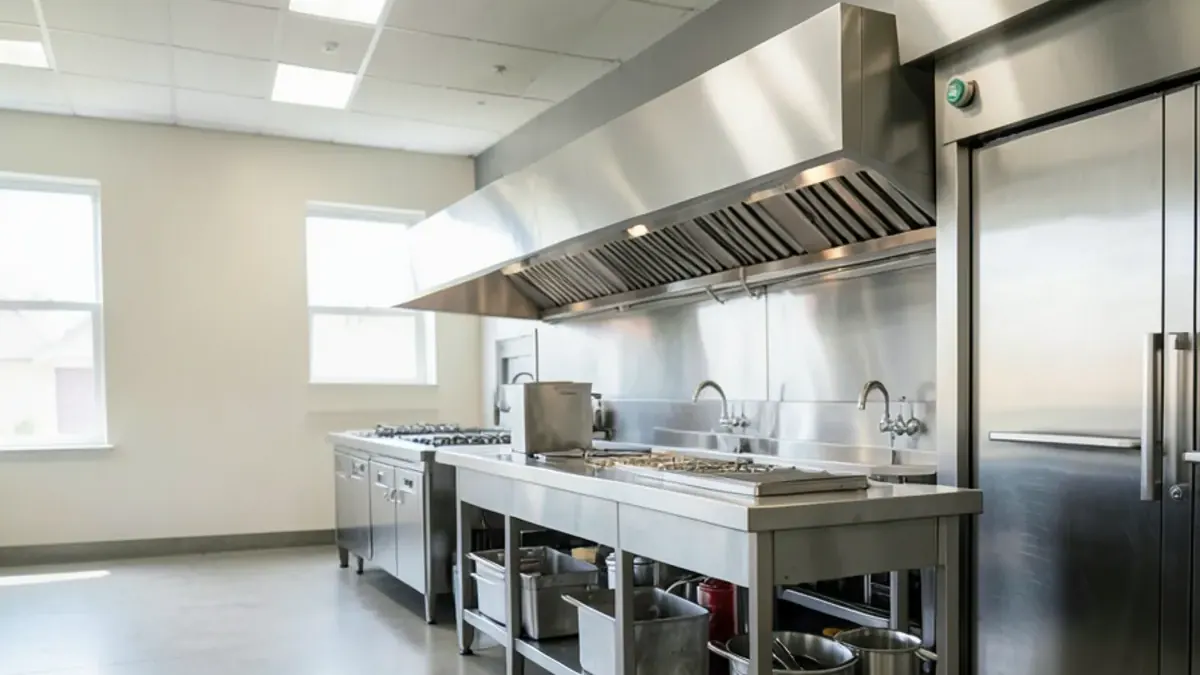
Restaurant pest control cost in Columbus comes down to four things: how large the kitchen is, how much pest pressure the building already carries, how often visits happen, and how much of the job is exclusion repair rather than treatment. A tidy cafe on a quiet plan costs far less per visit than a kitchen fighting German roaches inside the walls.
- Serving Columbus since 1990
- 4.5★ from 55 Google reviews
- Owner-run, based on Dunning Rd
- One-time or recurring service
We quote commercial work after looking at the space, so this post shows what moves a quote instead of handing you a number that would be wrong for your building. Our restaurant pest control page covers the service itself, and the commercial pest control overview covers the other business types we work with.
What goes into a restaurant pest control quote?
A quote is built from the work and the risk. Two restaurants with the same square footage can price very differently depending on what is behind the line.
- Layout: walk-ins, dry storage, a bar, a patio and a basement prep room each add stops to a visit.
- Pest pressure: clearing an active infestation takes more time and product than upkeep on a quiet building.
- Pest type: cockroaches, mice, flies and stored product pests need different methods, so the scope differs.
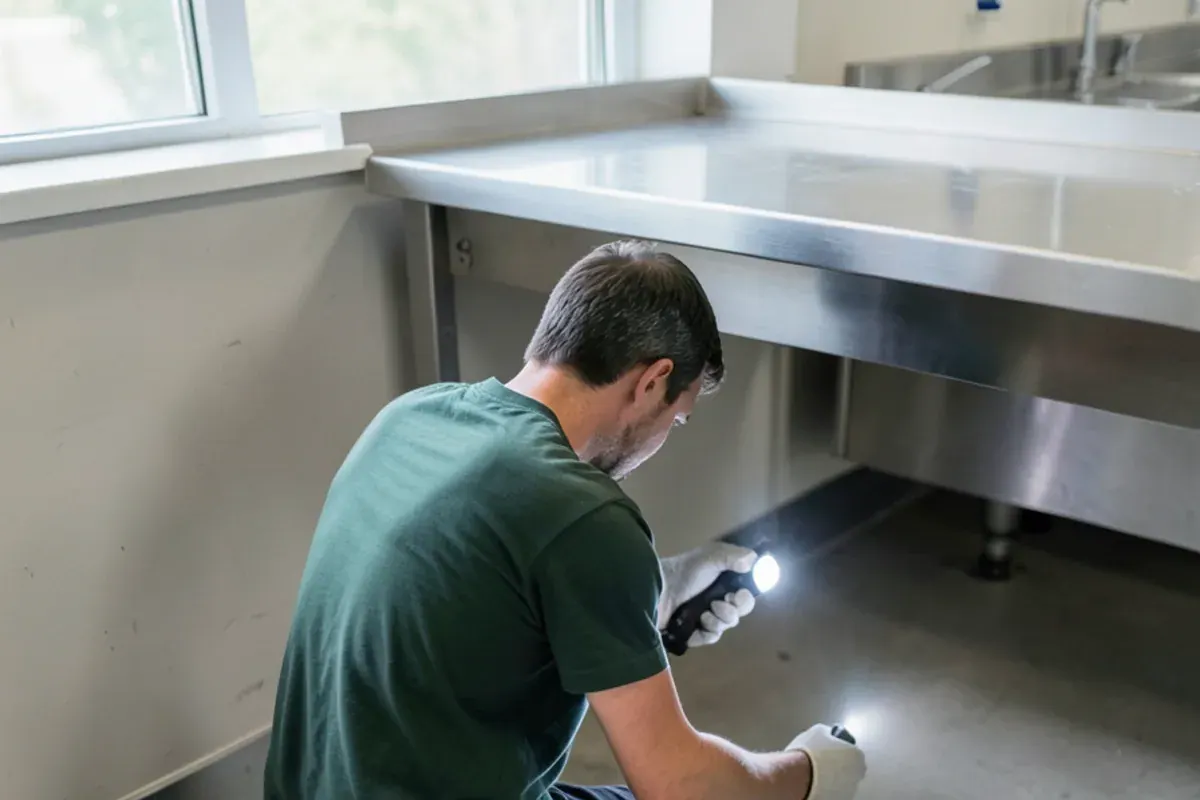
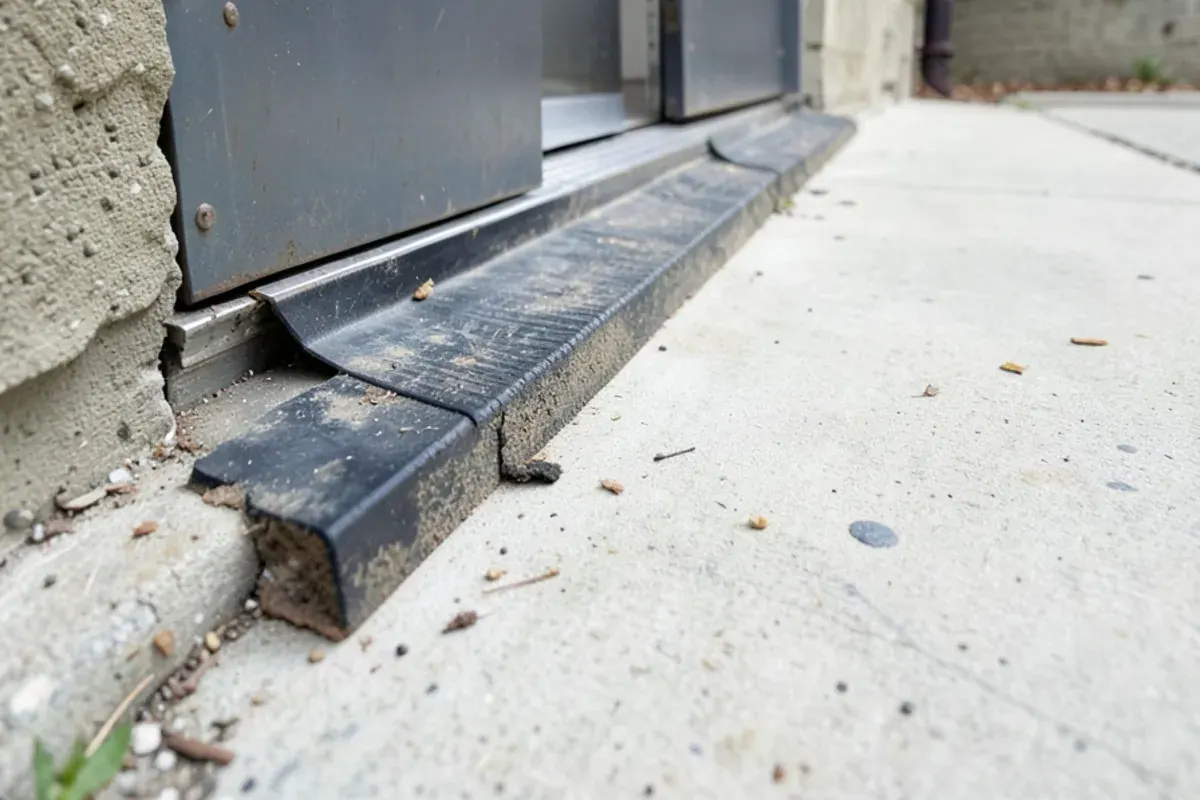
- Building condition: worn door sweeps, gaps around pipes and shared walls with neighboring tenants add exclusion work, which means sealing the openings pests use.
- Visit frequency: biweekly, monthly and bimonthly plans spread the cost differently.
- Documentation: written service reports for inspectors and auditors take time to do properly.
Why does kitchen layout move the price?
Every room a technician has to open adds time. A walk-in cooler, a dry storage room, a dish pit with floor drains and a back hall with a mop sink are each a separate stop, and each has its own pest. Drains draw flies, dry storage draws pantry pests, and the dish pit draws roaches.
Open-plan cafes with one prep counter and a single back door are quick to walk. A two-floor bar and grill with a basement cooler and a shared dumpster corral takes longer. Two kitchens of the same square footage can need very different visit lengths, which is why a quote built from square footage alone misses the real work.
Want a quote built around your kitchen?
Tell us the size of the space, your delivery schedule and any pests you have seen. We will explain the price before any work starts.
- Serving Columbus since 1990
- 4.5★ from 55 Google reviews
- Owner-run, based on Dunning Rd
- One-time or recurring service
What do pest visits cost around Columbus?
Public price guides are written for homes, not kitchens, but they show the market. One 2026 aggregator lists $90 to $550 for a one-time Columbus visit, and CityCostData (December 2025) lists $99 to $605 per visit. Those are third-party estimates, not our quotes.
Treat them as a rough frame. A restaurant adds more rooms, a written report and higher stakes if a pest turns up during service, so a commercial quote can land on either side of a home range. We price each job after we see it.
How do plan types change what a restaurant pays?
The plan shapes the bill more than any single visit does. Here is how the usual options behave.
| Plan | Fits | How cost behaves |
|---|---|---|
| One-time visit | A single complaint or a check before an inspection | One bill, no ongoing coverage |
| Clean-out, then plan | An active roach, mouse or fly problem | Heavier first weeks, lighter upkeep after |
| Biweekly | Busy kitchens in older buildings | More visits, often shorter ones |
| Monthly | Stable kitchens with solid sanitation | Steady cost, the common rhythm |
| Bimonthly | Low pressure spaces such as a small cafe | Fewer visits, less cushion if conditions change |
We run follow-ups biweekly, monthly, bimonthly or as needed, and we explain the price before work starts.

When is the cheapest restaurant pest plan the wrong call?
A low monthly figure is fine when it matches the building. It goes wrong when it leaves out the parts of the job that stop the problem from returning.
- A bimonthly plan on a kitchen with active roaches. The gap between visits is longer than the time it takes a roach population to rebuild.
- A plan that sprays inside and never looks outside. Dumpster areas, door frames and the alley wall are where many problems start.
- A plan with no reports. If an inspector asks for service records and you have none, the savings disappear in one afternoon.
- A plan that ignores a shared wall. In a strip of tenants, a neighbor's problem becomes yours, and the plan should say who handles the shared line.
The reverse also happens. A quiet, well-sealed cafe does not need biweekly visits, and paying for them is waste. We would rather move you to a lighter rhythm once the numbers on the service reports stay low than keep a heavy schedule running.
Why does a restaurant cost more to treat than an office?
A kitchen puts food, water, grease and warmth in one room, and deliveries come through the back door at all hours of the shift. An office has less of every one of those, which is why a monthly office plan and a monthly kitchen plan are different jobs.
Rules play a part too. The FDA Food Code, which Ohio's Uniform Food Safety Code is built on, calls for food operations to keep insects and rodents under control and to limit places where they can hide. Your health inspector looks at that, so the paperwork from each visit matters as much as the treatment. Our post on what to keep in a pest control logbook covers the records.
How can a restaurant keep its pest control cost down?
Most of the savings sit in your own building. These steps shrink the work a technician has to do.
- Seal gaps at doors and pipe chases, and replace worn sweeps. Exclusion done once beats treating the same entry point for years.
- Keep the dumpster and grease bin away from the back door, with lids closed.
- Store boxes off the floor and away from walls so the wall line can be inspected.
- Report sightings the day they happen. A small problem is cheaper than an established one.
- Work from a routine, such as the one in our restaurant pest control checklist for Columbus.
A low bid that skips building fixes mostly buys you a recurring problem, because the pests keep coming in.
Does a longer contract lower the monthly cost?
Often it does, since a steady account is easier to schedule. The trade-off is that a long term locks you into a rhythm that may not fit next season. Before you sign, ask how the plan changes if you add a patio, reduce hours or switch to a new menu with more deliveries.
Ask also how you can end the agreement and what notice is needed. A fair agreement states the visit schedule, what each visit covers and how a pest found between visits is handled. If those lines are missing, the monthly figure is not comparable to the next bid.
What should a written restaurant quote spell out?
- Scope: which rooms, the exterior and the pests covered.
- Visit schedule and what each visit includes.
- Whether a clean-out is priced apart from the upkeep plan.
- The service documentation you receive after each visit.
- What happens when pests appear between scheduled visits.
- Who handles exclusion repairs, you or your landlord.
If a bid leaves out any of these, ask. Gaps in scope are where surprise charges come from.
What we tell restaurant owners about price
Reviewers mention our pricing as fair, with no surprise charges, and that comes from one habit. We explain the cost of the job before we start, and we say which part is treatment and which part is repair work your building needs.
We ask about the kitchen, your delivery days and your last inspection notes, then we recommend the lightest plan that fits what we see. If a monthly rhythm is enough, we say monthly. If the back door sweep is the real problem, we say that too.
Owner Robert J. Boyde Jr. still runs the company, so the person pricing your account is the person answering for it.
There are limits to what price can fix. A plan cannot offset a propped back door, a dumpster lid left open all night or wet cardboard stacked by the dish pit. We tell owners which of those cost them more than the service itself.
A call is not always needed. One fruit fly at the bar in August is not a plan-changing event. If your current provider sends reports on time, the counts are falling and the building is sealed, stay put. Call when sightings repeat in the same place, when an inspector cites pests or when a bid and your needs no longer match.
Related questions
How much is monthly pest control for a restaurant?
It depends on kitchen size, pest pressure and building condition, so we quote after seeing the space. Third-party guides show broad per-visit ranges for the Columbus area, but they are written for homes. A written commercial quote should list scope, visit schedule and documentation so you can compare bids fairly.
Why do two restaurant quotes differ so much?
Usually the scope differs, not the rate. One bid may cover the exterior, drain areas and written reports, while another covers only a spray inside. Compare what each visit includes, how follow-ups are handled and who fixes entry points before you compare totals.
Does an active roach problem change the price?
Yes. An active infestation usually needs a heavier opening stretch, such as extra visits and closer inspection, before the plan settles into upkeep. That clean-out should be explained up front, so you know what part of the bill is temporary and what part is the ongoing rhythm.
Should a restaurant switch pest control companies to save money?
Only if the new bid covers the same scope. Compare visit schedule, exterior work, written reports and how between-visit calls are handled before you compare totals. A switch also resets the learning curve on your kitchen, so give any plan a few visits before judging whether it is working.
If you are budgeting for a Columbus restaurant, start with a look at the kitchen and the back door. Read about commercial pest control and our restaurant pest control service, or call (209) 563-1650 and describe your space. We cover all of Columbus and we will tell you plainly what the job needs.
Sources
Questions about this? Call the shop.
Tell us what you are seeing and we will tell you what happens next.
- Serving Columbus since 1990
- 4.5★ from 55 Google reviews
- Owner-run, based on Dunning Rd
- One-time or recurring service
Boydes Exterminating Co, 1967 Dunning Rd, Columbus, OH 43219