
Boydes Exterminating Co
Flea Control in Columbus, OH
A flea exterminator in Columbus, OH treats three places at once: the pet, the house and the yard where the pet rests. Skip any one and the cycle restarts, which is why a single bomb or a single shampoo rarely works. Boydes Exterminating Co handles fleas as part of our insect control in Columbus work, and we plan the job around your vet's advice for the animal.
- Serving Columbus since 1990
- 4.5★ from 55 Google reviews
- Owner-run, based on Dunning Rd
- One-time or recurring service
Fleas also have a habit of exploding after a week away from home. Here is why, and what a full fix involves.
Why did fleas appear after we came back from vacation?
Because fleas were already in the house and waiting. A flea spends most of its life as an egg, larva or pupa, not as the biting adult you see. The pupa sits inside a cocoon and can stay dormant for weeks or longer until it senses vibration, warmth or carbon dioxide.
An empty house for a week is the perfect setup. Pupae pile up in carpet and furniture, and when you walk back in with the pet, a wave of adults hatches all at once. Fleas jumping on your socks the first day home are typically the result of eggs laid a month earlier.
How to tell you have fleas in the house in Columbus
Bites alone are not proof. Look for evidence:
- Itchy red bites in small clusters around the ankles and lower legs
- Pets scratching, biting at their fur or restlessly shifting at night
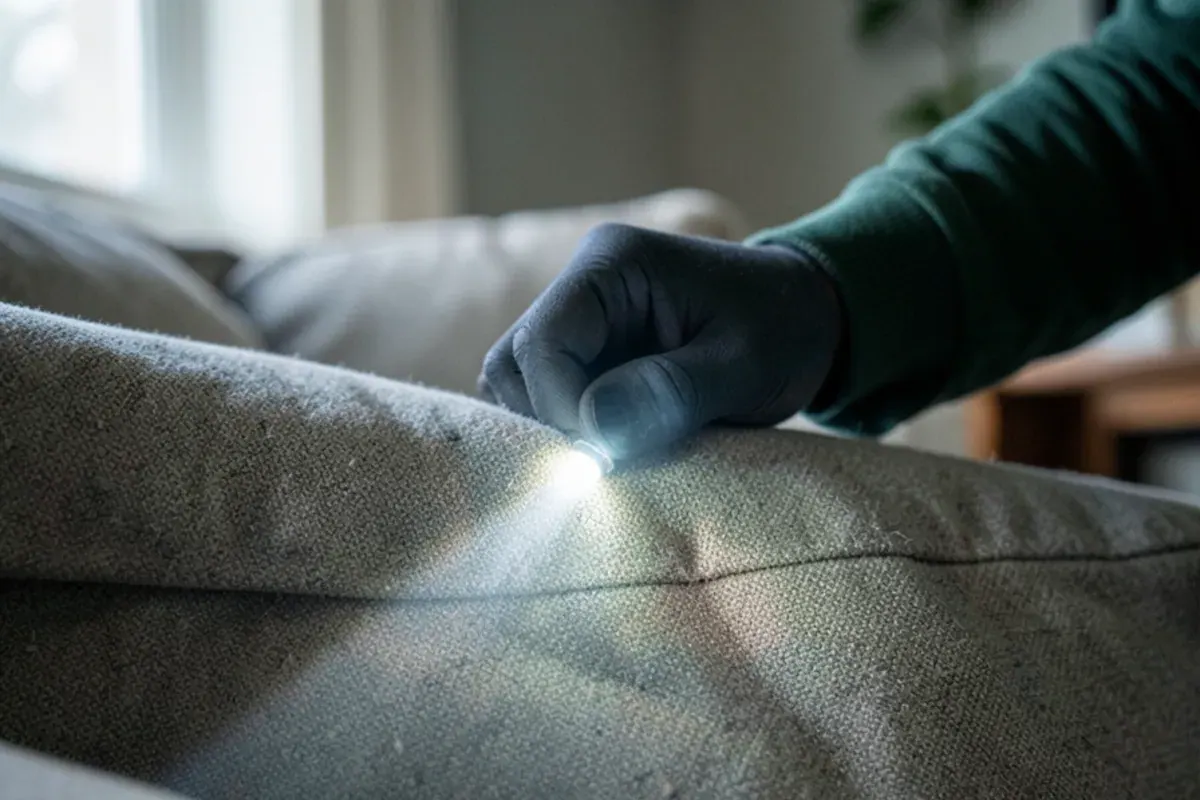
- Tiny dark specks in the pet's coat or on bedding that smear reddish on a damp paper towel (flea dirt)
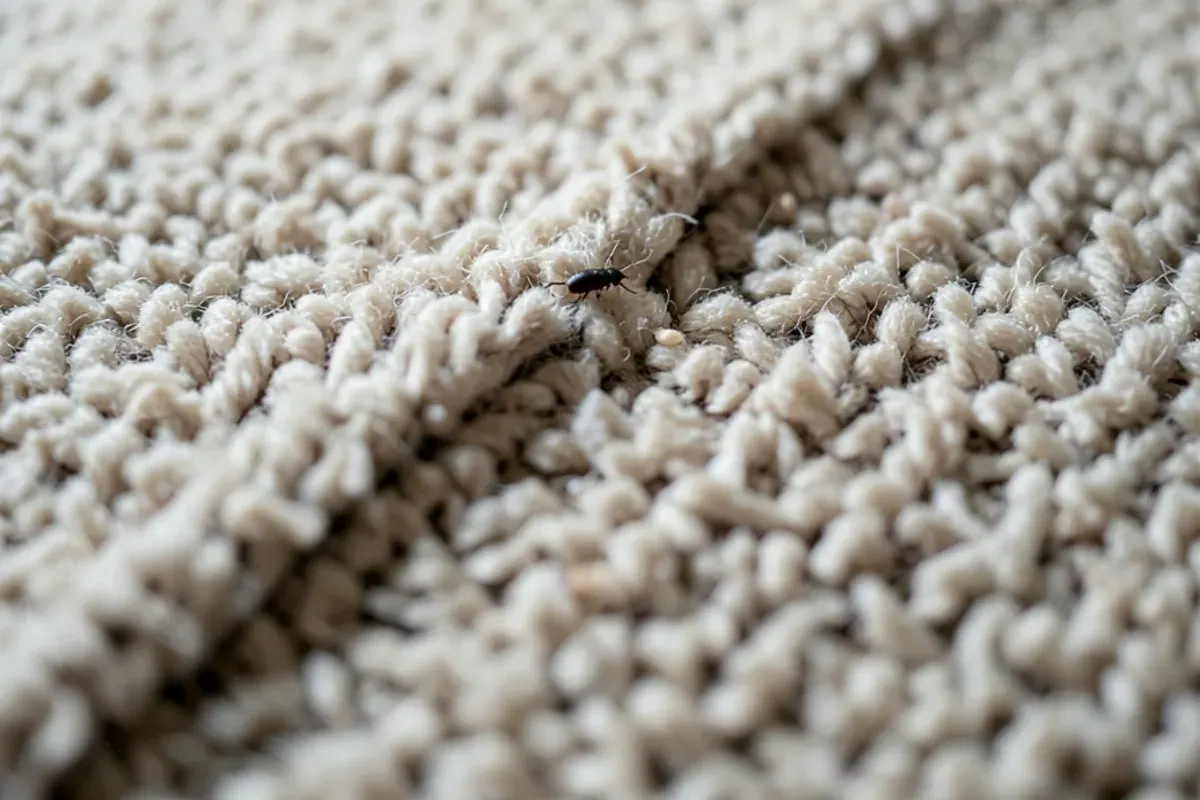
- Small, dark, quick jumping insects on carpet or light-colored socks
- Bites on you but no fleas on the pet, which can mean the infestation has moved into the house
Try the sock test. Pull on tall white socks, shuffle across the carpet at dusk and check for tiny dark jumpers on the fabric. It is crude but it works.
Not every flea case involves a pet. Fleas can arrive on a stray cat that visited the porch, on a rodent in the walls, or left behind by a previous tenant's animal. About 56% of Columbus homes are rented (ACS 2019-23), so a flea outbreak in an apartment with no pets is common enough.
Fleas on your socks tonight?
Tell us how many rooms and pets are involved, and when the first bites showed up. We will tell you what the visit looks like.
- Serving Columbus since 1990
- 4.5★ from 55 Google reviews
- Owner-run, based on Dunning Rd
- One-time or recurring service
Prefer to write it down?
Calling is fastest. The form comes to the same desk, and we call you back during business hours.
Call (209) 563-1650Do I need to treat the pet and the house?
Yes, both. Adult fleas live on the animal, but most of the population sits in the home. Treating only the pet leaves the eggs and pupae in the carpet. Treating only the house leaves the animal as a nonstop source of fresh eggs.
| Target | Who handles it | What it involves |
|---|---|---|
| The pet | You and your vet | A flea product the vet recommends for your animal, started at the same time as the house treatment |
| The house | Us | Treatment of carpet, rugs, upholstery edges, baseboards and cracks, plus an insect growth regulator that stops eggs and larvae from developing |
| The yard | Us, if needed | Shaded areas where pets rest, such as under decks, porches and shrubs |
| Bedding and soft items | You | Hot washing and drying, or vacuuming where washing is not possible |
We do not choose or dose your pet's flea product. Your vet does. We ask what your pet is already on so the home plan fits around it, and we ask about other animals, kids and allergies at every visit.
What does flea treatment for a home in Columbus involve?
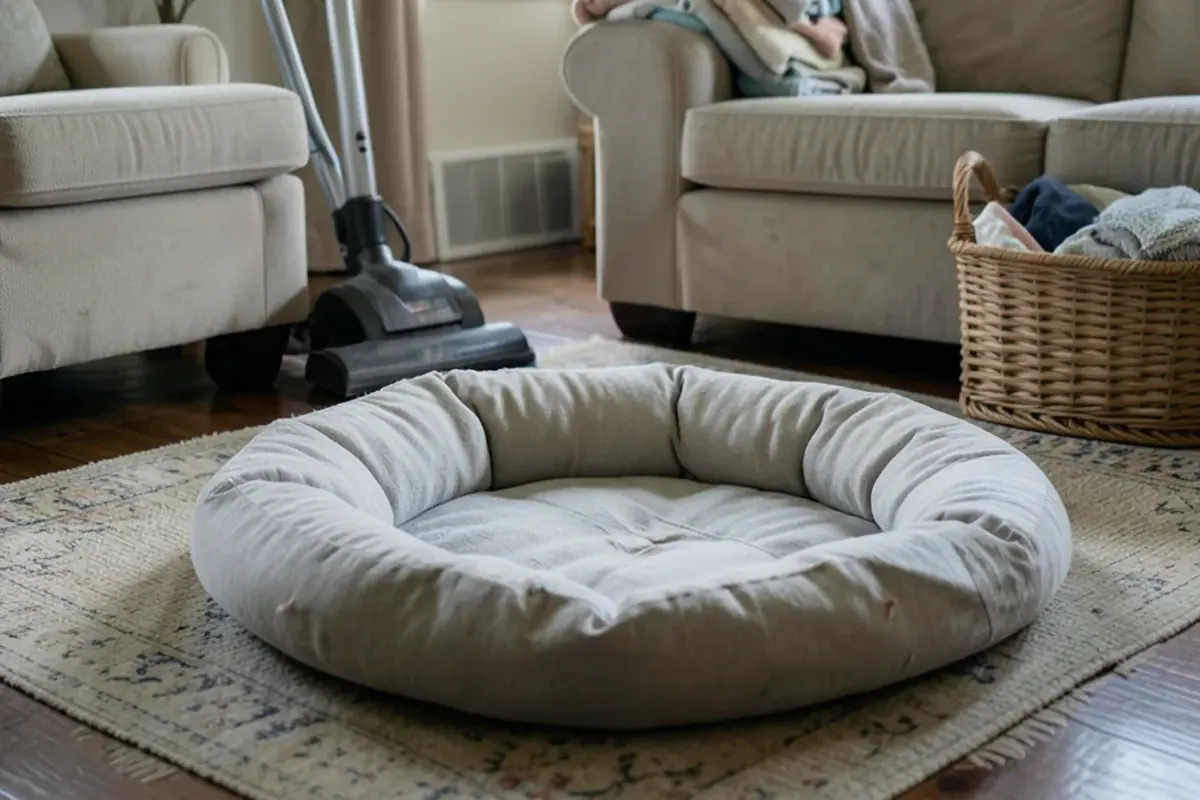
- You prepare the houseBefore we arrive, you vacuum thoroughly, wash pet bedding and linens on hot, and clear floors so we can reach baseboards and under furniture. We send the full list ahead.
- We confirm the fleas and map the problemWe check where the pet sleeps, which rooms get the most sock-test hits and whether the yard is a source.
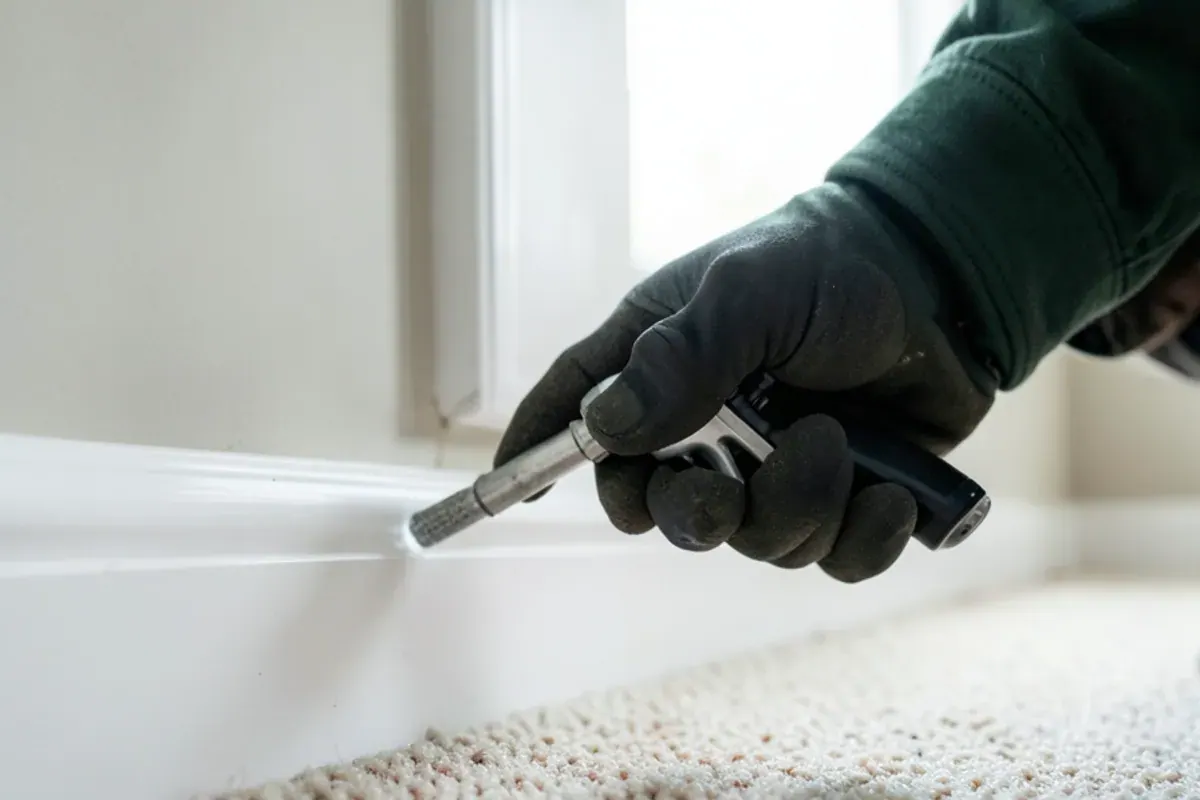
- We treat carpet, upholstery edges and cracksProduct goes along baseboards, under furniture and into the places larvae hide, per label directions. An insect growth regulator keeps eggs and larvae from maturing.
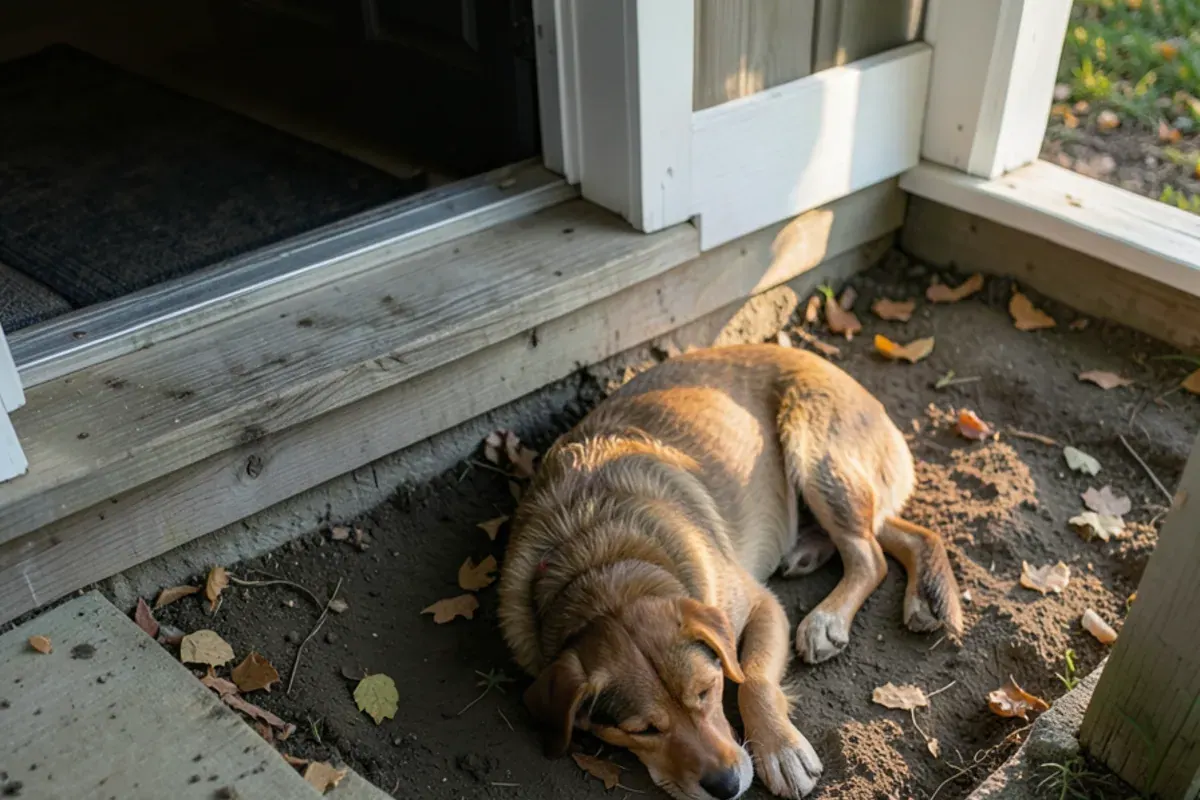
- We treat outdoor resting spots when neededShaded dirt under porches and decks, kennels and sheltered corners can hold fleas, so we include them.
- We give you the re-entry time and the aftercareYou get the label's re-entry time, plus what to vacuum and what to leave alone. We tell you when you can mop or steam again, based on the label.
- We schedule the follow-upA second visit catches fleas that hatched after the first. We set it based on how bad the problem was.
How many flea treatments will I need?
Often two visits, sometimes more. The first knocks down the adults and larvae in the carpet. The follow-up catches the pupae that were protected in their cocoons the first time.
Expect to still see some fleas for a couple of weeks after the first visit. New adults hatch from cocoons and cross treated surfaces before they can bite. Vacuuming helps, because the vibration encourages pupae to hatch and meet the treatment. Empty the vacuum bag or canister into a sealed bag outside.
If fleas are still active several weeks in, tell us. It usually means a missed spot, an untreated animal or a yard source.
How long does the flea life cycle last in a Columbus house?
Longer than most people hope. Cornell's veterinary guidance describes a cycle that can run from a couple of weeks to several months, depending on temperature and humidity. Warm, humid rooms speed it up. A cool basement slows it down. Eggs drop off the pet and settle into carpet, larvae hide from light at the base of the fibers, and the pupa waits in its cocoon.
That is why a quiet week after treatment can still end with a new flea or two on your ankle. New adults emerge from cocoons that were protected the first time. Each one dies once it crosses treated carpet and has no pet to feed on. Vacuuming daily, keeping the pet on the vet's flea product and not skipping the follow-up visit shortens the tail. Some products also contain an insect growth regulator, which keeps young fleas from maturing. Follow the label.
How do I get rid of fleas in carpet between visits?
A few habits carry real weight in the days around treatment:
- Vacuum carpets, rugs, furniture seams and floor edges daily, then seal the contents in a bag outside
- Wash pet bedding, throws and your own bedding weekly on the hottest setting the fabric allows
- Keep the pet on whatever flea product your vet recommends, without gaps
- Limit where the pet roams to rooms you can vacuum while the plan runs
- Trim tall grass and clear leaf piles in shaded yard spots
Pull seasonal habits into your routine as well. Our spring ant and insect prevention checklist helps with the yard side.
What affects the cost of flea control?
We price by the extent of the infestation, and you hear it before any work starts. The things that matter are the square footage of treated flooring, the number of rooms and pets, whether the yard is part of it and how many visits the plan needs.
A one-room problem caught early is a smaller job than a house where fleas have been breeding through a whole summer. If you leave the house empty for a period and then return, mention that on the phone, because it helps us size the job.
Fleas in Columbus homes and rentals: who regulates the pet product and the home treatment
A flea problem has two regulated halves. Flea products for the pet go through your vet, and federal rules split them: the EPA regulates topical flea products such as spot-ons and collars, while the FDA regulates oral ones. We do not choose or dose those products. Your vet does.
For the house, the product label is the rule. It lists where a product may go, how often, and when people and pets may re-enter. If a company applies the treatment for hire, Ohio Department of Agriculture rules require a Pesticide Business License, and ODA's public business search lets you check a name before you book. Get the product name and the re-entry time written down.
Renters have a Columbus rule behind them too. Columbus Public Health makes the owner of a building with two or more units responsible for eliminating pests, so a flea outbreak left by a previous tenant's pet is a conversation for the landlord.
Why Boydes Exterminating for this work
Flea control has had its own page on our website for years, so this is routine work for us. Mr. The company dates to 1990 under Robert Boyde, and today Robert J. Boyde Jr. owns and runs it.
We plan around the animal's treatment and leave the choice of pet products to your vet.
Because fleas hatch on a delay, we build the follow-up into the plan and explain when it falls.
We ask about animals, kids and allergies each time and adjust what we apply to match.
You hear the price before work starts, and you can pay by cash, check, debit or credit. Google shows 4.5 stars across 55 reviews.
Where we do this work
- Columbus About 56% of Columbus homes are rented, and fleas left by a previous tenant's pet hatch when new renters move in.
- Whitehall Roughly 61% of Whitehall homes are rented, so fleas often come from carpet that a past tenant's pet used.
- Reynoldsburg The median Reynoldsburg home was built in 1984 and 39% are rented, so carpeted older homes and apartments both see fleas.
- Gahanna About 31% of Gahanna homes are rented, and creekside yards along Big Walnut Creek give pets shaded resting spots.
- Hilliard Median 1997 homes with 31% rented, and yards between the Scioto River and Big Darby Creek hold flea cocoons in shade.
- Grove City Median 1993 homes with yards next to Scioto Grove Metro Park, where pets pick up fleas on walks.
- Lincoln Village About 38% of Lincoln Village homes are rented, in a planned community begun in 1955, so older houses and rentals both see fleas.
- Westerville Otterbein brings yearly student moves, and rentals empty between tenants can hold flea cocoons until someone walks in.
- Pickerington Median home built in 2002 and 21% rented, mostly owner-occupied yards where pets rest in shade and fleas cocoon.
We treat fleas in Columbus, Whitehall, Reynoldsburg, Gahanna and nearby suburbs. Look at our service areas page for the full list.
Flea Control: common questions
Why did fleas appear after we came back from vacation?
Flea pupae sit dormant in cocoons and wait for vibration and warmth, so an empty house lets them stack up. When you return, they hatch at once. The fleas were in the house before you left. Expect to treat the pet, the house and sometimes the yard, then plan a follow-up.
Do I need to treat the pet and the house?
Yes. Fleas live on the animal, but most of the population is in the carpet and furniture as eggs, larvae and pupae. If you treat only one, the other restocks it. Your vet picks the product for the pet. We treat the home and, when needed, the shaded spots in the yard where the pet rests.
How many flea treatments will I need?
Often two visits, with the second catching fleas that hatch after the first. A light problem might be done sooner, while a house with a long infestation may need more. We set the follow-up date after seeing the home, and you may see a few fleas for a couple of weeks while pupae hatch.
Can I get fleas without having a pet?
Yes. Fleas can come from a stray cat on the porch, a rodent in the walls or a previous occupant's animal, and eggs can sit in carpet until someone moves in. With a high share of rentals in Columbus, this happens in apartments often. We check for the source during the visit.
What should I do before the treatment visit?
Vacuum every floor and upholstered surface, wash pet bedding and linens on hot, and clear floors so we can reach the baseboards. Seal the vacuum contents in a bag and take it outside. Keep your pet on the flea product your vet recommends. We send the full prep list when you book.
Sources
What customers say
4.5 stars from 55 Google reviews, checked November 2026. Read more reviews · Leave a review
Mr. Boyde’s company is responsive and honest. They answer phone calls, give estimates, and come to your home quickly. Pricing is true to market price with no surprise charges.
Great service. Super dependable. Calls right back. This time he was able to come out same day.
Excellent service, very easy to schedule appointments. No inspection needed to get the job done sooner and very forward about the cost.
Break the flea cycle
Call to set up a treatment for the house and yard, planned around your pet's own flea product from your vet.
- Serving Columbus since 1990
- 4.5★ from 55 Google reviews
- Owner-run, based on Dunning Rd
- One-time or recurring service
Boydes Exterminating Co, 1967 Dunning Rd, Columbus, OH 43219