
Boydes Exterminating Co
Pest Exclusion & Sealing in Columbus, OH
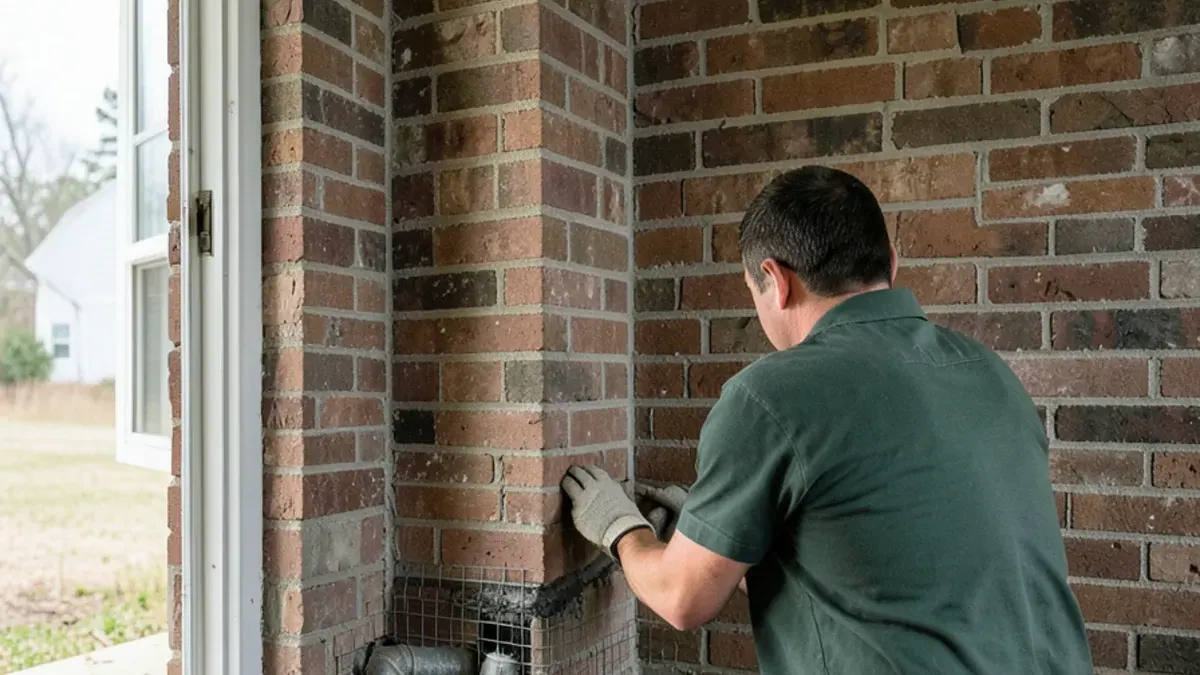
Pest exclusion in Columbus, OH means finding the gaps in your house that let mice, rats and insects in, then closing them with materials pests cannot chew or squeeze through. Boydes Exterminating Co treats the pests you have and seals the openings behind them, because a treatment without sealing is a repeat appointment.
- Serving Columbus since 1990
- 4.5★ from 55 Google reviews
- Owner-run, based on Dunning Rd
- One-time or recurring service
Spray handles what is inside today. Exclusion keeps tomorrow's pests out. It is the unglamorous half of pest control in Columbus, and it is the half that decides whether you are calling again next fall.
What is pest exclusion?
Exclusion is physical. We look for every opening that a rodent or insect can use, close it with the right material, and make the building harder to enter. It covers rodents and insects. It does not mean trapping or removing anything larger.
It differs from a standard treatment in one way. A treatment kills or removes pests that are present. Exclusion blocks the route they took. The two work together, and each is a weaker fix without the other.
Where do pests usually get into Columbus homes?
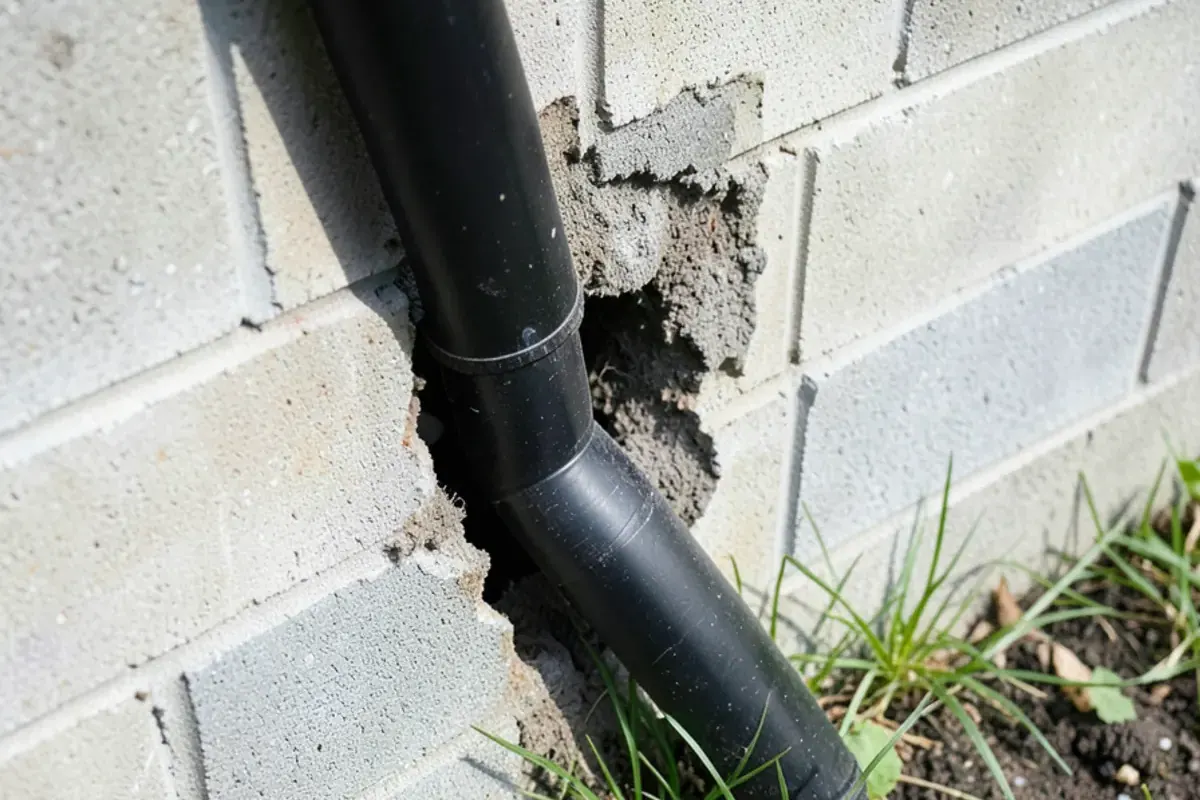
Most entry points are small, and most are low. These are the places we check first:
- Gaps where pipes, gas lines, cables and dryer vents pass through the foundation or siding
- Worn or missing door sweeps, especially on garage and basement doors
- Cracks and gaps where the foundation meets the sill plate
- Torn or loose screens on crawl space vents, attic vents and foundation vents
- Gaps around windows, window wells and basement egress openings
- Utility chases, bath fan ducts and the spaces behind porches and decks
- Roof-to-wall joints, soffits and fascia boards where a gap opens above the first floor
A mouse can fit through a hole not much larger than a dime. Columbus Public Health writes this into code: Columbus Health Code §221.03 asks owners to keep dwellings rodent-free and insect-free, and it says openings of half an inch or more within 48 inches of ground level should be sealed. That is a floor, not a ceiling. Smaller gaps still let mice and many insects through.
Dryer vents and garage doors: what to seal and what not to
A garage door with a worn bottom seal leaves one of the widest gaps on a house, and a new seal is a simple fix. Dryer vents are different. A fine mesh screen on one clogs with lint and becomes a fire risk, according to InterNACHI's dryer vent guidance. A pest guard has to leave the opening clear and follow the dryer maker's instructions.
Hearing scratching in the walls?
Tell us where and when you hear it. Location and timing narrow down where they are getting in.
- Serving Columbus since 1990
- 4.5★ from 55 Google reviews
- Owner-run, based on Dunning Rd
- One-time or recurring service
Prefer to write it down?
Calling is fastest. The form comes to the same desk, and we call you back during business hours.
Call (209) 563-1650How we find entry points before sealing anything
We start outside and walk the foundation line, looking low first. Then we check the roof edge and any structure attached to the house. Inside, we look in the basement or crawl space, utility room, kitchen and under sinks, and in the attic. Rub marks, droppings, gnaw marks and spider webs full of insects point to a route.
Older Columbus homes have more to find. Mortar ages and shrinks, wood trim shifts, and decades of plumbing and cable work leave holes that nobody patched. Newer homes are not exempt. Builders leave gaps around plumbing and trim that are easy to miss.
Which sealing materials work, and which do not?
Material matters more than effort. Expanding foam alone is not a barrier, because rodents chew it. Caulk on its own fails the same way. We match the material to the gap, and often combine two:
| Material | Where it goes | Why it works |
|---|---|---|
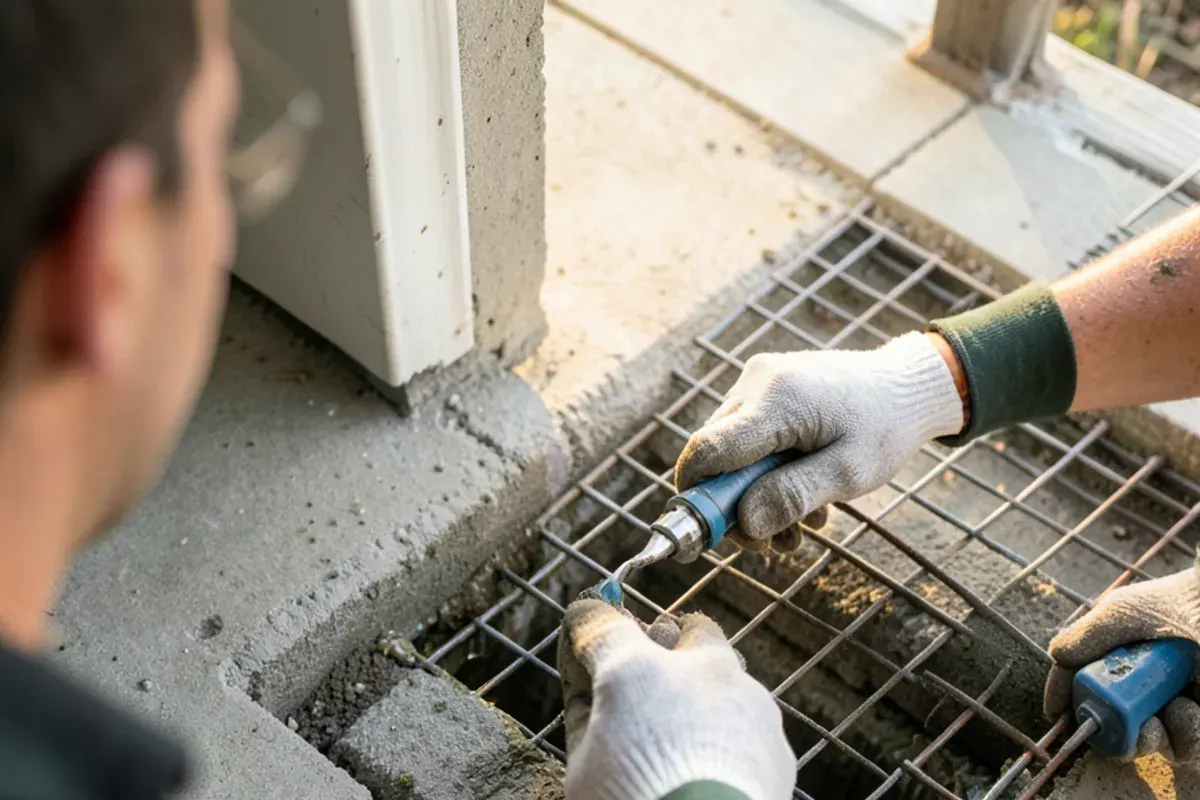
| Steel wool or copper mesh, backed with sealant | Small gaps around pipes, wires and cable lines | Rodents will not chew through the metal, and the sealant holds it in place |
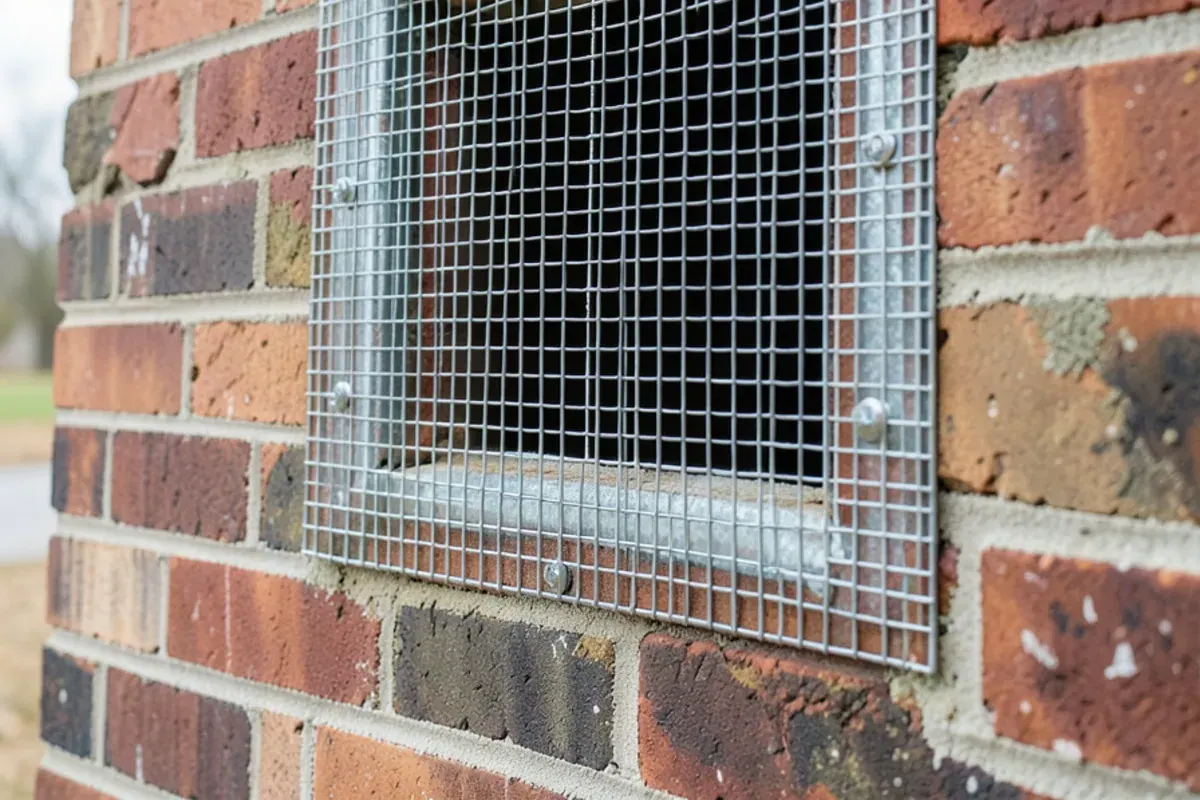
| Hardware cloth | Vents, crawl space openings and larger holes | Rigid metal mesh blocks chewing and still lets air through |
| Door sweeps and weatherstripping | Garage, basement and exterior doors | Closes the gap at the threshold that insects and mice use daily |
| Mortar or masonry patch | Cracks and holes in foundation walls and block | Restores the structure itself rather than covering the damage |
| Exterior-grade sealant and trim repair | Gaps in siding, soffits, fascia and around windows | Closes small openings that let insects through, and keeps water out |
Should exclusion happen before or after treatment?
After the pests are dealt with, or at the same visit if the order is planned. If rodents are inside and we seal every exit first, they can die in the walls or chew a new hole. So the usual order is to treat or trap, confirm the activity has stopped, then seal. With insects, we treat the building, then close the gaps they used.
Some openings can be sealed right away because nothing can be trapped behind them, such as a missing door sweep. We will tell you which are which. If you are waiting on a visit, read how one-time pest control works, and for ongoing checks see recurring pest control plans.
What does a pest exclusion visit involve, step by step?
- You tell us where you have seen signsDroppings, noises in the walls, gnaw marks or insects entering through one spot. Even a rough location saves time.
- We inspect inside and outWe walk the foundation, doors, vents and roof edge, then check basement, kitchen, utility areas and attic.
- We mark and explain every openingYou see each gap, what is using it and what material would close it.
- You get the price before work startsPricing depends on the number of openings, their size, their height and the material they need.
- We seal, and we recheckGaps are closed with the planned materials. If a return visit is part of the plan, we schedule it, so we can confirm that nothing is getting through.
What affects the cost of pest proofing in Columbus?
We quote each house separately, because no two have the same gaps. Cost depends on the type and extent of the problem, and these factors usually decide it:
- The number and size of the openings
- Height: second-story and roofline work takes more time and equipment than a ground-level gap
- Material: steel mesh, masonry and trim repair cost more than a door sweep
- Access to crawl spaces, attics and the back of porches
- Whether a treatment visit comes before sealing
We explain the price before work starts, and customers describe our pricing as fair with no surprise charges. Our pest control cost guide for Columbus explains how third-party figures compare to a written quote.
Crawl space and attic sealing: what to expect
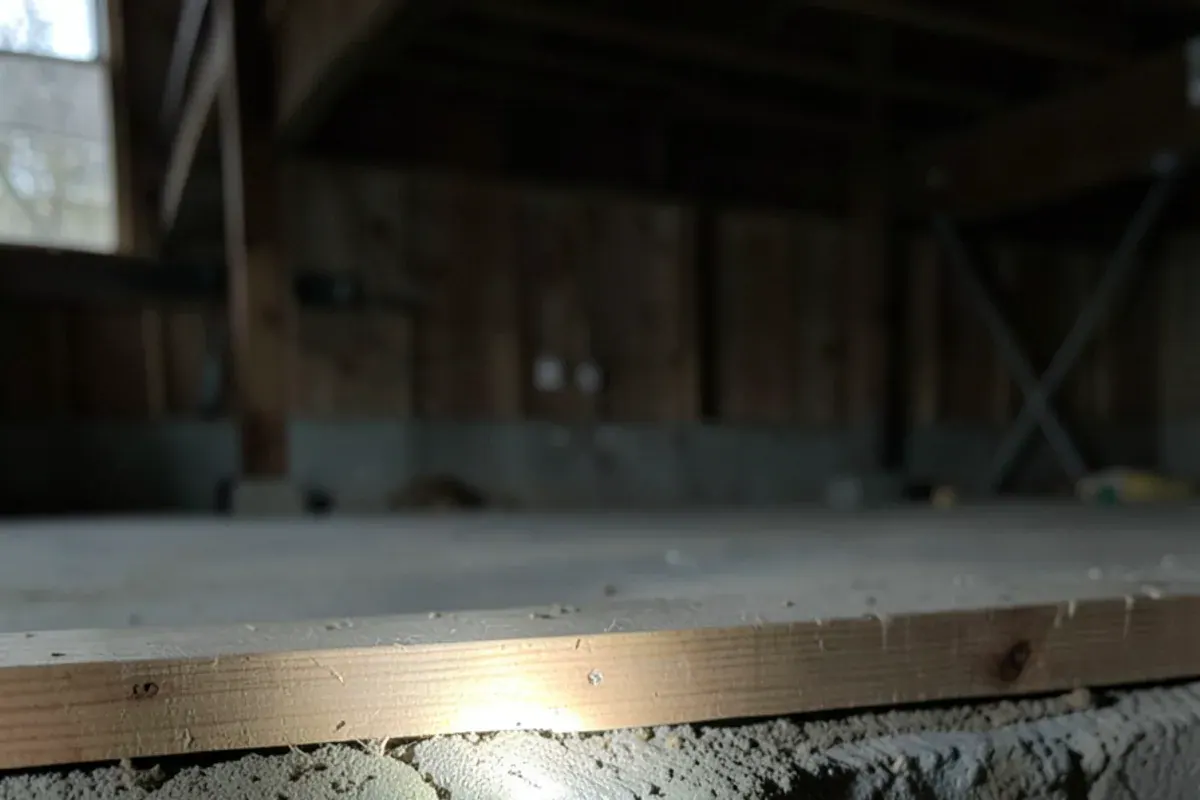
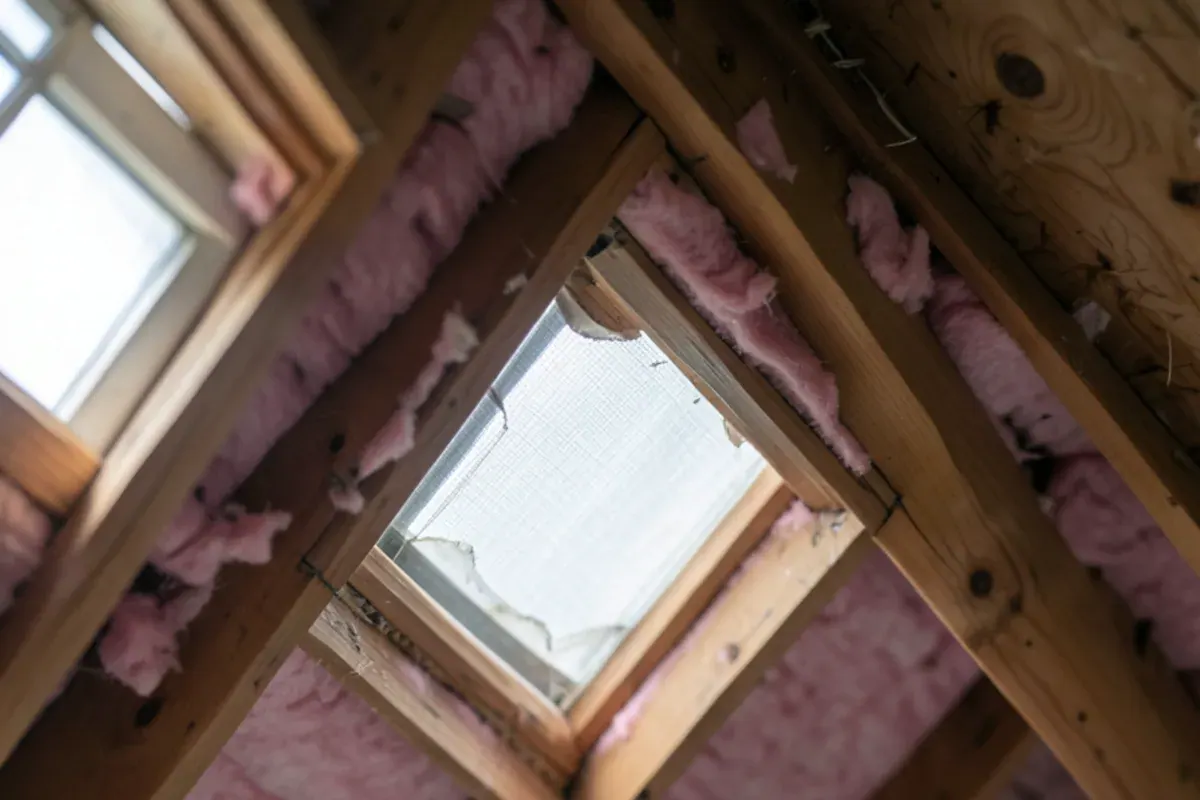
Crawl spaces and attics are where rodents nest and where insects collect when the weather turns. We check vent screens, access doors, duct and pipe penetrations, and the edge where the insulation meets framing. Damp ground in a crawl space also draws roaches and silverfish, so a moisture fix can matter as much as a seal.
Cleaning up after rodents needs gloves and respiratory protection, since droppings and nesting material can carry pathogens. Ask us what a cleanup involves before scheduling, and we will explain what is part of the job and what is a separate call. The fall pest-proofing checklist lists what to do yourself before the first cold snap.
Sealing entry points under Columbus Health Code §221.03: who must act and what to document
Columbus Public Health enforces §221.03, which expects dwellings to be kept rodent-free and insect-free. Openings of half an inch or more within 48 inches of ground level should be sealed. In a building with two or more units, the owner is responsible for eliminating pests, so a tenant cannot be left to patch a shared foundation.
Ask any sealing contractor for a written list of the openings found, the material used at each and where each one sits. If the visit also includes bait, dust or spray, that part is pesticide work for hire, and Ohio requires an ODA Pesticide Business License for it. ODA's public search shows who holds one. Keep the list with your lease or property file.
Why Boydes Exterminating for this work
We deal with the pests inside and close the gaps behind them, so one visit does not create the next.
Columbus Health Code §221.03 sets the half inch standard, and we explain it in plain English.
Mesh, masonry, sweeps and sealant each fit different openings, and we say which and why.
We began in 1990, and owner Robert J. Boyde Jr. runs the company from 1967 Dunning Rd, so the owner stands behind the work.
We hold 4.5 stars across 55 Google reviews. Pay by cash, check, debit or credit once the price you were told up front is settled.
Where we do this work
- Bexley Median home built 1944, with aged mortar and old utility openings that call for sealing.
- Grandview Heights A median home from 1954 and 43% rented, so old foundations and shared-building owner duties both apply.
- Upper Arlington Median home built 1959, where decades of plumbing and cable work leave holes that nobody patched.
- Worthington A 1963 median build year with the Olentangy River nearby, so older sills and basement windows get checked.
- Lincoln Village Houses from the early 1960s at the median, so door sweeps, vents and foundation joints deserve a close look.
- Huber Ridge Median home built 1969 beside Alum Creek and I-270, so foundations and garage doors need a close check.
- Lake Darby Big Darby Creek forms the western border and the median home dates to 1983, with outdoor cover close to foundations.
- Pataskala New subdivisions meet farmland, so fall mice move from fields toward fresh foundations and unsealed utility gaps.
- Whitehall With 61% of homes rented and a median build year of 1961, owners of multi-unit buildings carry the sealing duty.
- Columbus Health Code §221.03 applies here, and the median home dates to 1980, with many gaps near ground level.
We seal homes in Columbus and the surrounding suburbs, including Whitehall, Reynoldsburg, Hilliard and Pickerington. Find your town in our service areas list.
Pest Exclusion & Sealing: common questions
What is pest exclusion?
Exclusion is sealing the openings that let rodents and insects into a building. We find gaps around pipes, doors, vents, foundation cracks and rooflines, then close them with materials such as steel mesh, hardware cloth, sweeps and sealant. It works alongside treatment, which removes pests already inside. Exclusion covers rodents and insects only.
Where do pests usually get into Columbus homes?
Mostly through low, small openings: pipe and cable penetrations, worn door sweeps, foundation cracks, torn vent screens and gaps around windows and utilities. Rooflines and soffits matter too. Columbus Health Code §221.03 says openings of half an inch or more within 48 inches of the ground should be sealed, and mice can use smaller ones.
Should exclusion happen before or after treatment?
Usually after, or in a planned order with the treatment. If we seal every exit while rodents are inside, they can die in the walls or chew a new way out. We treat or trap first, confirm activity has stopped, then close the gaps. Some openings, like a missing door sweep, are fine to fix right away.
Will sealing gaps get rid of mice by itself?
No. Sealing stops new mice from entering, but any already inside stay inside. That is why we deal with the activity first and seal second. Sealing alone can also trap them with the food and water in your walls. Treat or trap, confirm they are gone, then close the openings.
Do you seal attics and crawl spaces?
Yes. We check vent screens, access doors, pipe and duct penetrations and the edges around insulation, then close what we find. Crawl spaces also need moisture checks, since damp ground attracts roaches and silverfish. Tell us which areas you can reach, and which you cannot, when you call so we can plan the visit.
How long does a sealing job take?
It depends on the number and height of the openings and on access. A few ground-level gaps can be handled in one visit. A full house with roofline work, vents and a crawl space takes longer, and may need a follow-up to recheck. We estimate the time when we mark the openings and give you the price.
Sources
- Columbus Public Health, Columbus Health Code §221.03 (dwellings free of rodents and insects; openings of half an inch or more near ground level)
- Ohio Department of Agriculture, Pesticide Business Search (public lookup)
- InterNACHI, Dryer Vent Safety (mesh screens clog with lint)
What customers say
4.5 stars from 55 Google reviews, checked November 2026. Read more reviews · Leave a review
Mr. Boyde’s company is responsive and honest. They answer phone calls, give estimates, and come to your home quickly. Pricing is true to market price with no surprise charges.
Great service. Super dependable. Calls right back. This time he was able to come out same day.
Excellent service, very easy to schedule appointments. No inspection needed to get the job done sooner and very forward about the cost.
Close the gaps for good
Call to book a look at your foundation, doors and vents. We will mark each opening and explain the price before any work.
- Serving Columbus since 1990
- 4.5★ from 55 Google reviews
- Owner-run, based on Dunning Rd
- One-time or recurring service
Boydes Exterminating Co, 1967 Dunning Rd, Columbus, OH 43219