
Cockroach Control
German Roaches in Your Apartment: How They Spread
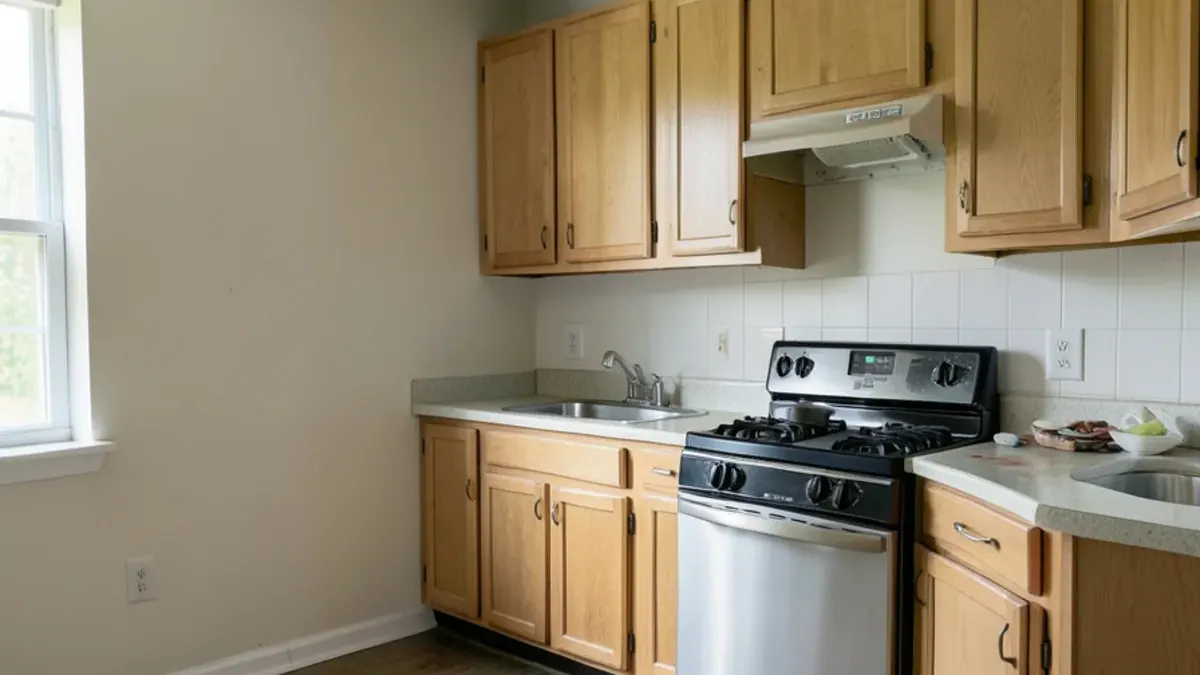
German roaches in an apartment spread along the building itself: pipe chases, gaps behind cabinets, shared wall voids and the boxes people carry in. A clean kitchen slows them down but does not stop a population that is fed from next door.
- Serving Columbus since 1990
- 4.5★ from 55 Google reviews
- Owner-run, based on Dunning Rd
- One-time or recurring service
That is why one tenant spraying a single unit so often fails. This post walks through the routes roaches use between units, how fast a small group turns into a large one, and what you can do whichever side of the wall you live on.
How do German roaches get into an apartment?
Most arrive one of two ways, either through the building or inside something you carried through the door. German roaches almost never fly, and they do not come in from the yard the way American roaches can. They live indoors, so every one in your unit came from somewhere that is also indoors.
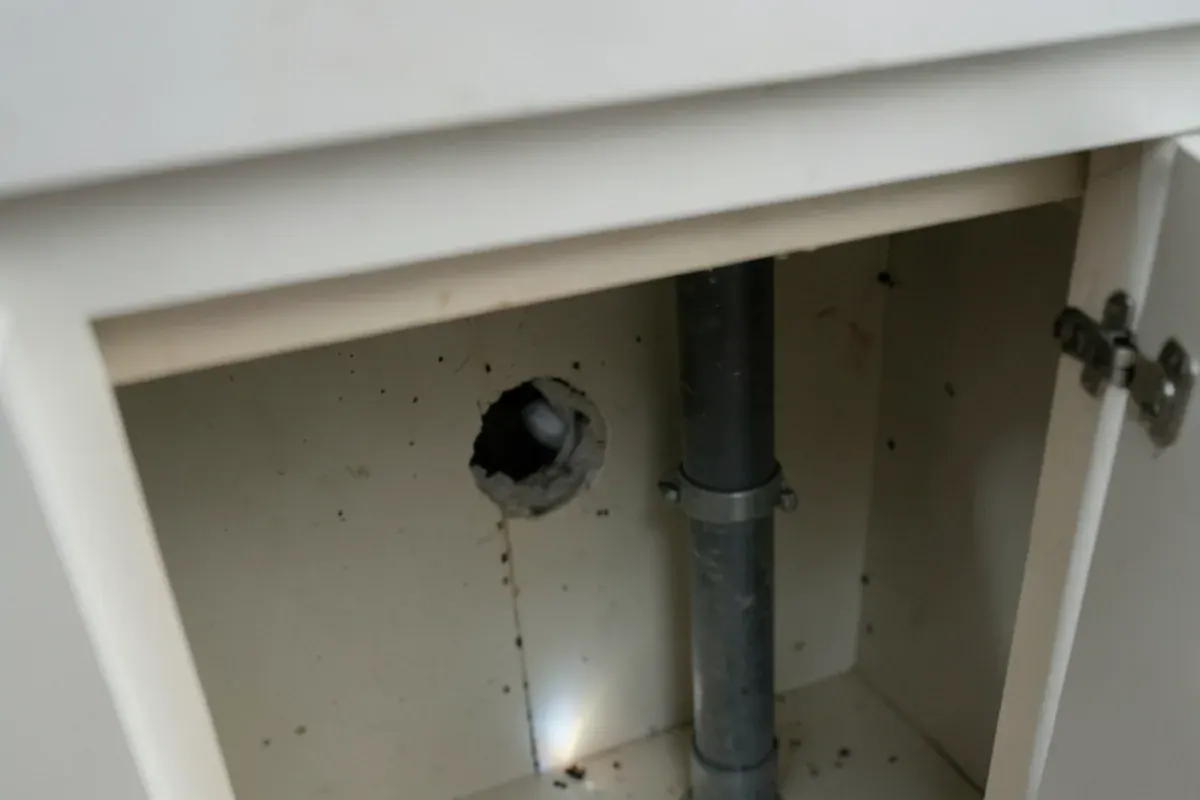
- Pipes and wall voids. Plumbing chases, electrical conduit and the gap around a drain line link the cabinet under your sink to the one downstairs and next door.
- Cardboard and grocery bags. Nymphs, the young roaches, hide in corrugated folds. A delivery box set on the counter is a free ride.
- Used appliances and furniture. A secondhand microwave or toaster is warm, dark and full of crumbs, which makes it a good hiding place for a whole family.
- Laundry carts and moving days. Shared laundry rooms and a move-in with borrowed boxes both bring roaches from one unit to another.
- Guests and bags. A backpack set down in a roach kitchen can carry a few back to a clean one.
Roaches in more than one unit?
Tell us which apartments share walls with yours. We will talk through a plan that covers the units where roaches are likely to travel.
- Serving Columbus since 1990
- 4.5★ from 55 Google reviews
- Owner-run, based on Dunning Rd
- One-time or recurring service
Why does a small roach problem grow so fast?
The female German roach carries her egg capsule, called an ootheca, until shortly before the eggs hatch. Penn State Extension puts the count at up to 48 eggs per capsule, usually 30 to 48, and a female makes several capsules in her life. Because she keeps the capsule with her, it is shielded from many surface sprays.
Nymphs mature in a couple of months in a warm kitchen, and apartments are warm all winter. A few roaches seen in October can be a crowd by the new year. You will usually see the survivors at night, since roaches avoid light, so seeing one in daylight often means the hiding places are already crowded.
Water matters as much as food. A dripping faucet, a damp dishwasher seal and a wet sponge left on the counter all keep a population alive. Roaches can go longer without food than without water.
How long does it take roaches to multiply?
Penn State Extension gives the timeline. A capsule takes 14 to 35 days to hatch, the nymphs pass through six or seven stages over 6 to 31 weeks, and an adult female lives roughly 20 to 30 weeks. She makes four to eight capsules in that time, about one every six weeks at room temperature.
Put those numbers together and a single pregnant female that rides in on a box can seed a kitchen within a season. It also explains why treatment is a course of visits. One visit reaches the roaches that are out and feeding. The nymphs that hatch afterward need the bait to still be in place.
Where do roaches spread through a shared building?
Think in terms of what each unit shares with its neighbors. The hot spots are the same ones in nearly every building we visit.
| Route | What to look for | Who can fix it |
|---|---|---|
| Plumbing chase behind the sink | Gaps around the drain or supply pipes, loose escutcheon plates | Landlord or maintenance, with a sealant |
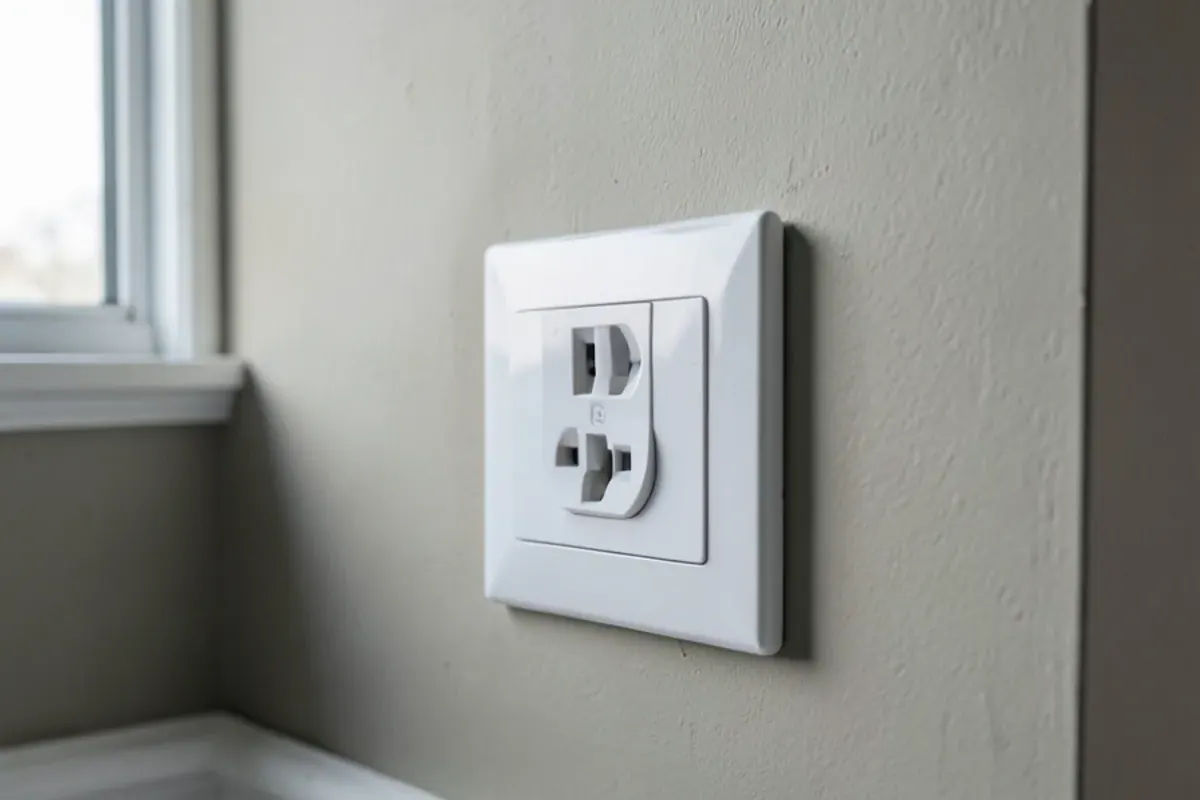
| Shared wall at outlets | Droppings or roaches around cover plates on a common wall | Landlord, with treatment on both sides |
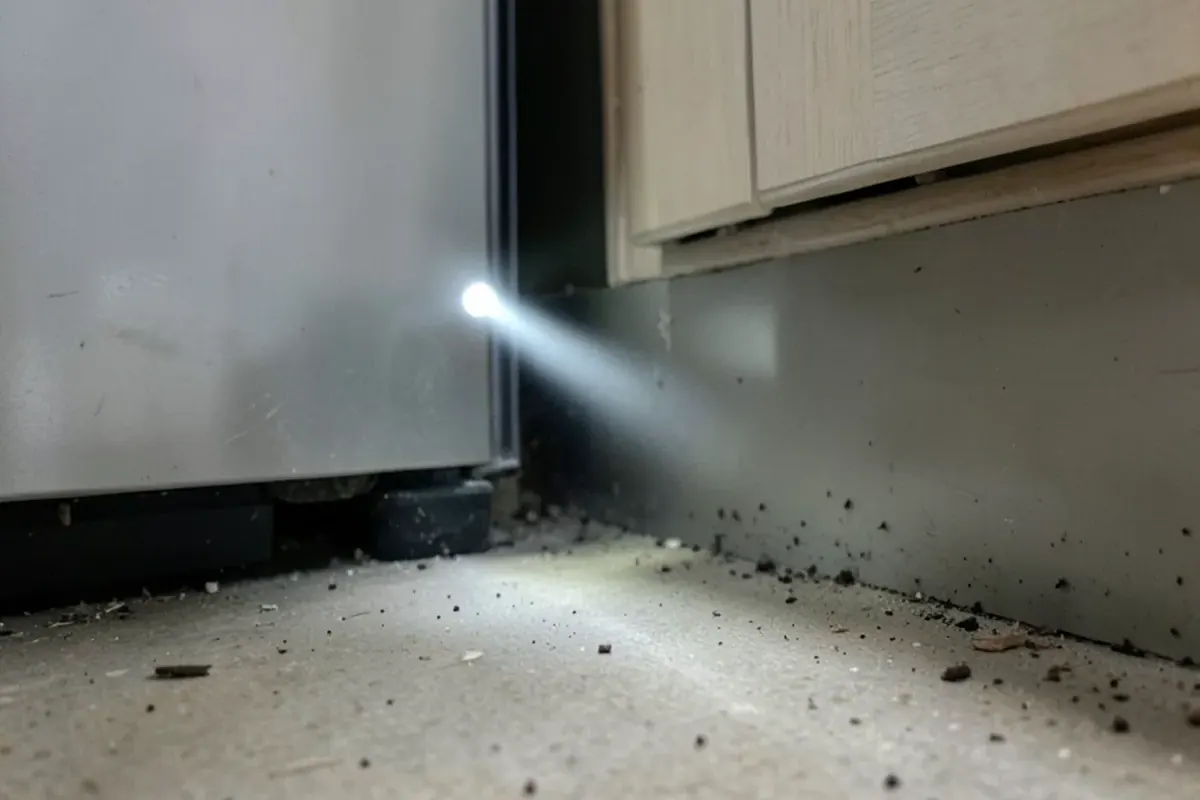
| Stove and refrigerator gaps | Black specks and shed skins behind the appliance | Tenant, with cleaning and a treatment plan |
| Trash chute or shared dumpster area | Roaches at the door of the unit nearest the chute | Property manager |
| Laundry room | Roaches in carts, bins or behind the machines | Property manager |
Why do sprays and foggers make apartment roaches worse?
A repellent spray scatters roaches without removing them. They leave the cabinet where they were hiding, spread into the bedroom or the unit next door, and return when the product dries. A fogger does the same on a larger scale and rarely reaches the cracks where the egg capsules sit.
In a building with shared walls, scattering is the exact thing you do not want. A treatment plan that uses gel bait and crack and crevice work, meaning product placed only inside the gaps and not on open surfaces, keeps roaches feeding in the places we can reach. Everything is applied per label directions.
How can you tell which units have roaches?
Guessing from sightings misleads, because roaches hide by day. Sticky traps give a better map. Penn State Extension calls them the main survey tool for German roaches and suggests trapping for one week.
- Buy flat sticky traps and set them against walls and in corners, never in the open middle of a floor.
- Put one under the sink, one beside the stove, one behind the refrigerator and one in the bathroom vanity.
- Add traps in a bedroom closet or wherever a neighbor's wall meets yours.
- Leave them for a week, then count the catch at each spot and note whether it is adults or small nymphs.
- Write down the dates and the counts. Send the list to your landlord with a photo of the trap.
Heavy catches at the sink and the shared wall point to the plumbing chase. Many small nymphs mean a capsule hatched nearby. A trap that stays empty is also useful, since it narrows the work to the places where roaches actually travel.
Who is responsible for roaches in a Columbus apartment?
Under the Columbus Health Code, the owner of a dwelling with two or more units is responsible for eliminating pests, according to Columbus Public Health. The same code expects dwellings to be kept insect-free. Whitehall sits about 61% rented and Columbus about 56% rented (ACS 2019-23), so shared walls are the norm in this area.
Tenants still have a part. Report in writing, keep the unit clean enough to give treatment a fair chance, and do the prep your pest company asks for. Our page on apartment cockroach treatment explains how we plan around adjoining units.
What we tell apartment customers
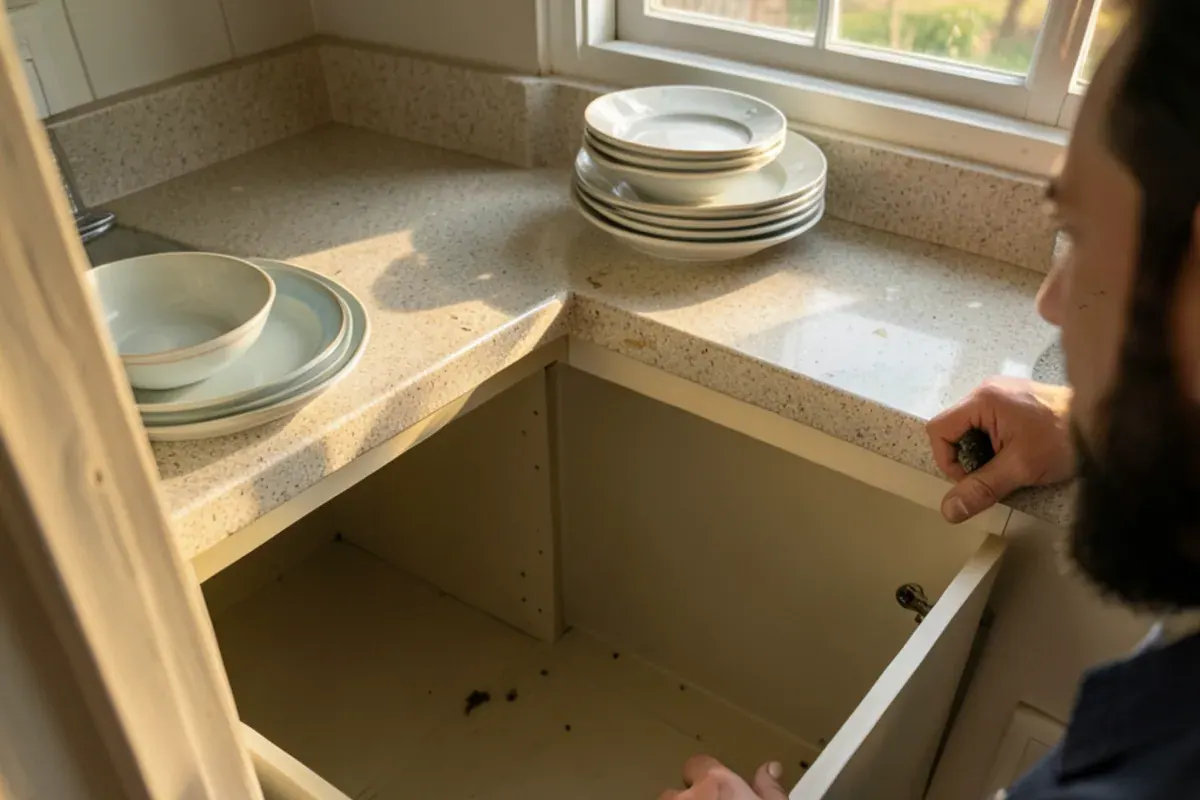
The unit with the roaches is rarely the whole story. When a manager calls about one apartment, our first question is what is above, below and beside it. If those units have the same pests, treating only one is a short-term fix.
We also ask tenants to stop using store-bought sprays once we are scheduled. Repellents leave residues that roaches learn to avoid, and they can make bait harder to accept. Tell us what you used and when, so we can plan around it.
There are limits. Gel bait works only if roaches choose it over food, so a kitchen with open crumbs and standing water slows the result. Treating one unit while the unit below stays untreated can return roaches within weeks. If you have seen a single roach after a move, with no droppings and a trap that stays empty, a call is probably not worth it yet. Set a trap and watch it for a week.
What we do not recommend is waiting out a building-wide problem. Once roaches show in two units, the useful call is to the manager, with the trap counts in hand.
For buildings, we like a short plan with dates written down, one contact person and a follow-up visit to check the monitors. After an inspection we provide documentation of what we found and where, which gives a manager something to share with residents. Our German cockroach control page covers the treatment itself.
Related questions
Can roaches come from my neighbors?
Yes. In a shared building they move through plumbing gaps, wall voids and conduit, especially after a neighbor sprays or a nearby unit is disturbed. If you see roaches coming from outlets or around pipes on a shared wall, tell your landlord so the adjoining units can be inspected too.
How do I know if roaches are in my walls?
Watch for roaches that appear at night around outlets, pipe openings or the back of cabinets, plus small dark specks and a musty smell. A flashlight along the baseboard behind the stove often shows more than a daytime look. A pest inspection confirms the species and the likely harborages.
What does a roach egg capsule look like?
It is a tan to light brown case about a quarter of an inch long, shaped like a small bean with ridges. The female carries it at the end of her body until just before the eggs hatch, so you may see it on a roach before you find one on its own.
Is it my landlord's job to deal with apartment roaches?
For a building with two or more units, Columbus Public Health says the owner is responsible for eliminating pests under the Columbus Health Code. Send your report in writing and keep a copy. Tenants are still asked to prepare their unit and report promptly.
How long does it take to get rid of German roaches in an apartment?
Expect a course of visits, not one. Eggs hatch in 14 to 35 days and nymphs take weeks to mature, so new roaches keep appearing after the first bait goes down. Follow-up visits on a biweekly or monthly schedule check the monitors and re-treat where roaches persist, and neighbors' units need to be included.
If roaches keep returning after you clean, the source is likely shared. Read about our cockroach control work, or call (209) 563-1650 and tell us the building, the floor and what you have tried. We serve renters and managers across Columbus and Whitehall.
Sources
- Penn State Extension, German Cockroaches
- Columbus Public Health, Columbus Health Code §221.03 and owner responsibility for pests in multi-unit dwellings
- U.S. Census Bureau, American Community Survey 2019-23, renter share for Columbus and Whitehall
Questions about this? Call the shop.
Tell us what you are seeing and we will tell you what happens next.
- Serving Columbus since 1990
- 4.5★ from 55 Google reviews
- Owner-run, based on Dunning Rd
- One-time or recurring service
Boydes Exterminating Co, 1967 Dunning Rd, Columbus, OH 43219