
Boydes Exterminating Co
German Cockroach Control in Columbus, OH
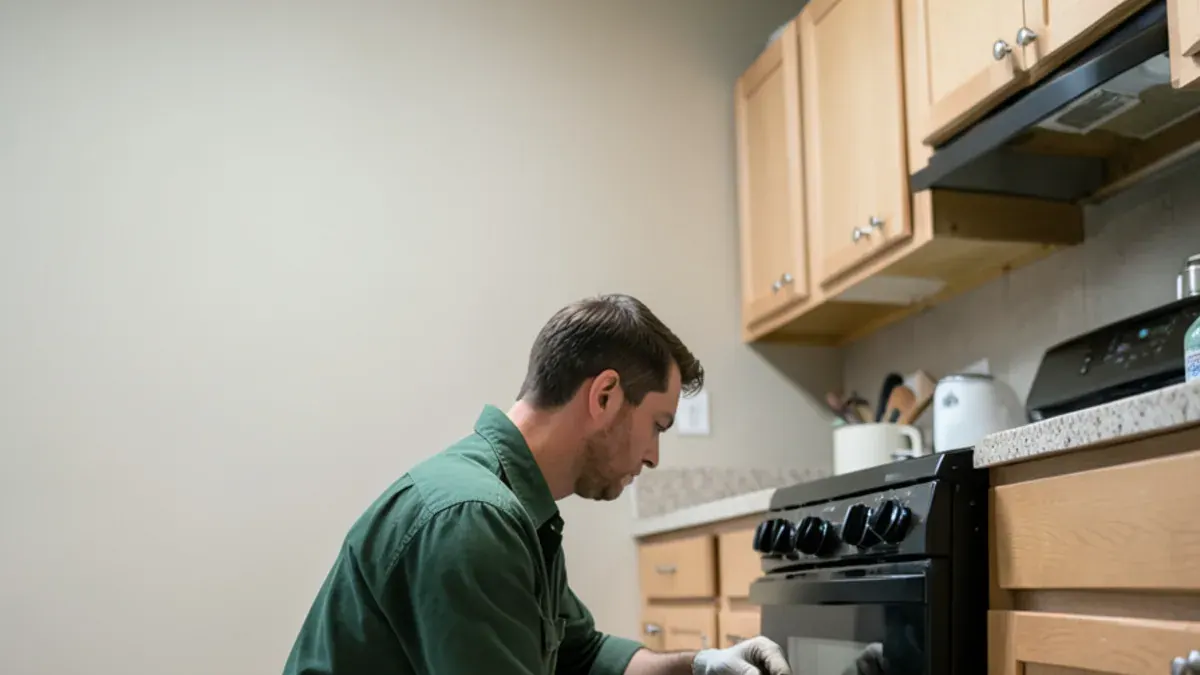
German cockroach control in Columbus, OH means baiting the small tan roach where it hides, breaking its breeding cycle and returning until the monitors stay empty. It is the most common indoor roach we see in kitchens and bathrooms, and part of our wider cockroach control in Columbus work.
- Serving Columbus since 1990
- 4.5★ from 55 Google reviews
- Owner-run, based on Dunning Rd
- One-time or recurring service
German roaches multiply faster than any other household roach. A few in the cabinet become a colony in a matter of weeks, so the sooner we start, the shorter the course.
How do I know they are German cockroaches?
Size and markings settle it. The German cockroach (Blattella germanica) is among the smallest of the household roaches, so a big roach in the basement is a different species. Look for these features:
- Adults measure about half to five-eighths of an inch
- Light tan to medium brown, with two dark parallel stripes running down the shield behind the head
- Wings are present, but German roaches almost never fly and prefer to run
- Nymphs, the young roaches, are darker, wingless and have a pale stripe down the middle of the back
- Egg capsules, called oothecae, are tan, about a quarter of an inch long and carried by the female until just before the eggs hatch
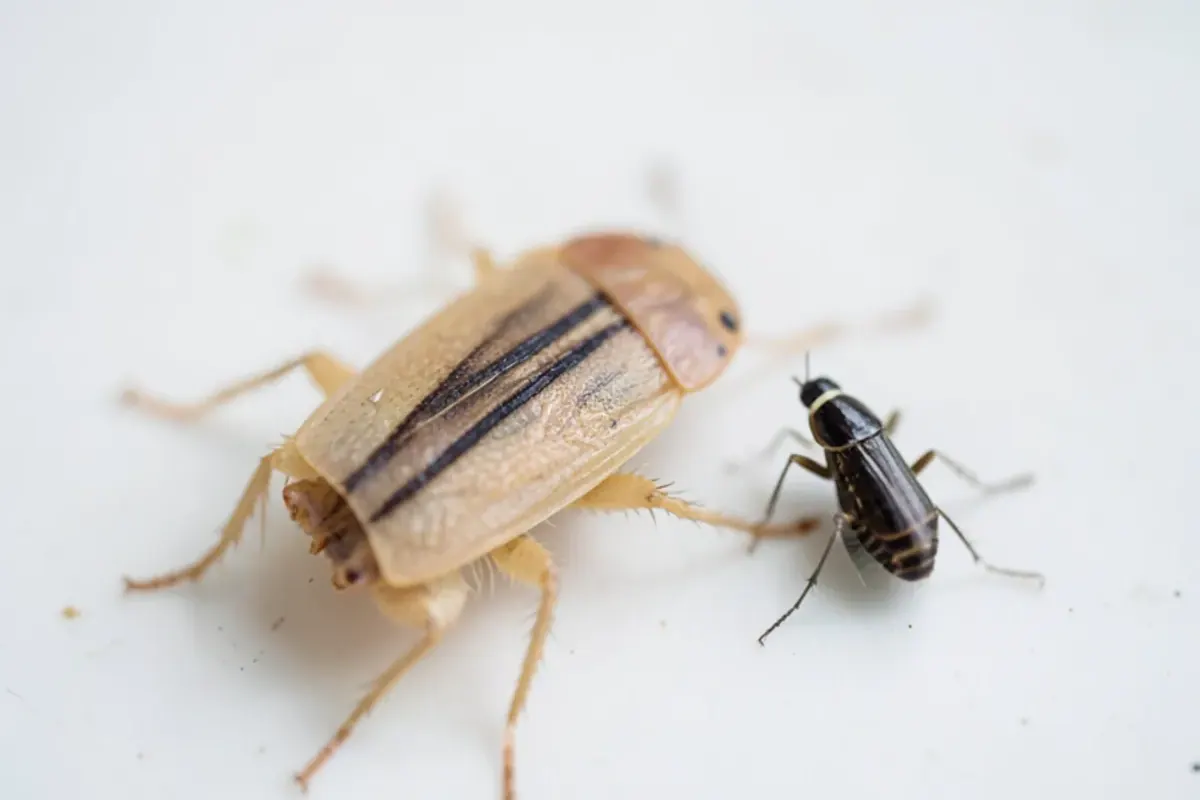
If you see small roaches in the kitchen at night or when you move the toaster, that is the usual German roach story. For larger roaches, see our page on American cockroach control.
Why German roaches take over kitchens so fast
One female carries a capsule holding roughly 30 to 40 eggs, and she makes several capsules in her lifetime. Because she carries the capsule until the nymphs are about to hatch, it is shielded from many treatments that kill roaches walking across a surface. Young roaches reach breeding age in roughly two to three months in a warm kitchen.
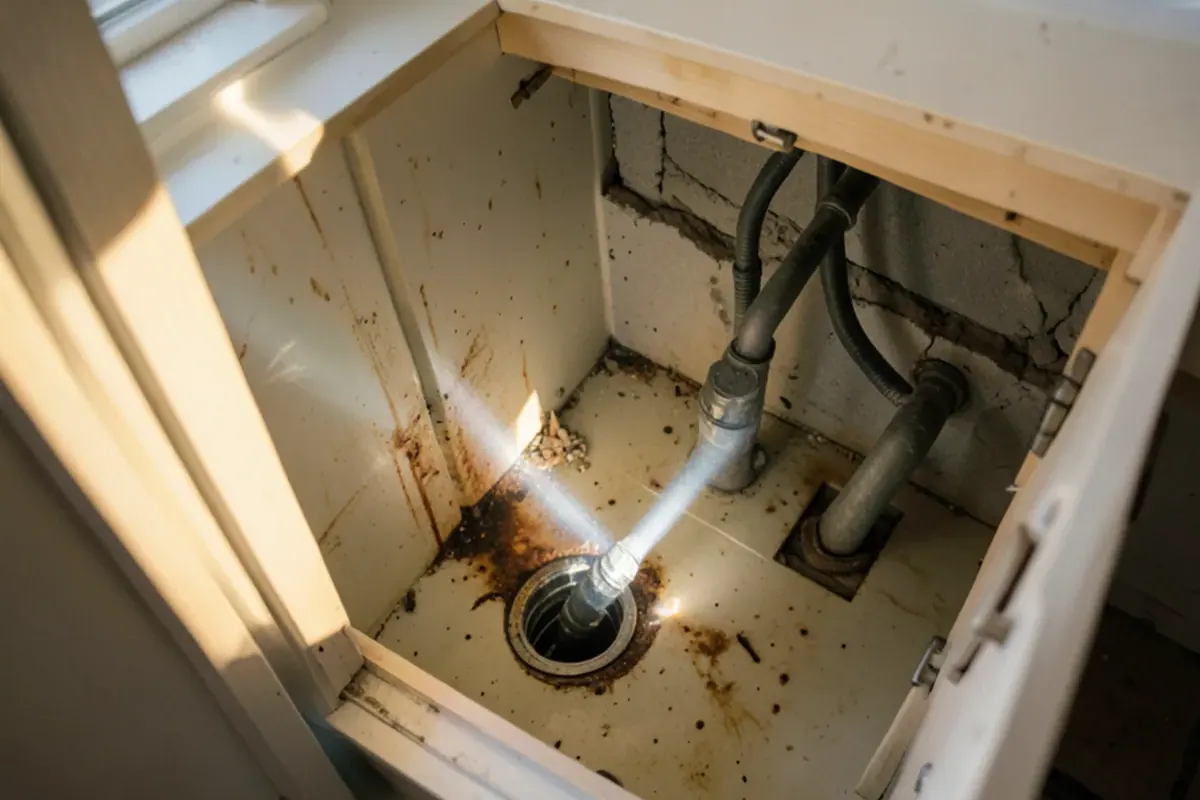
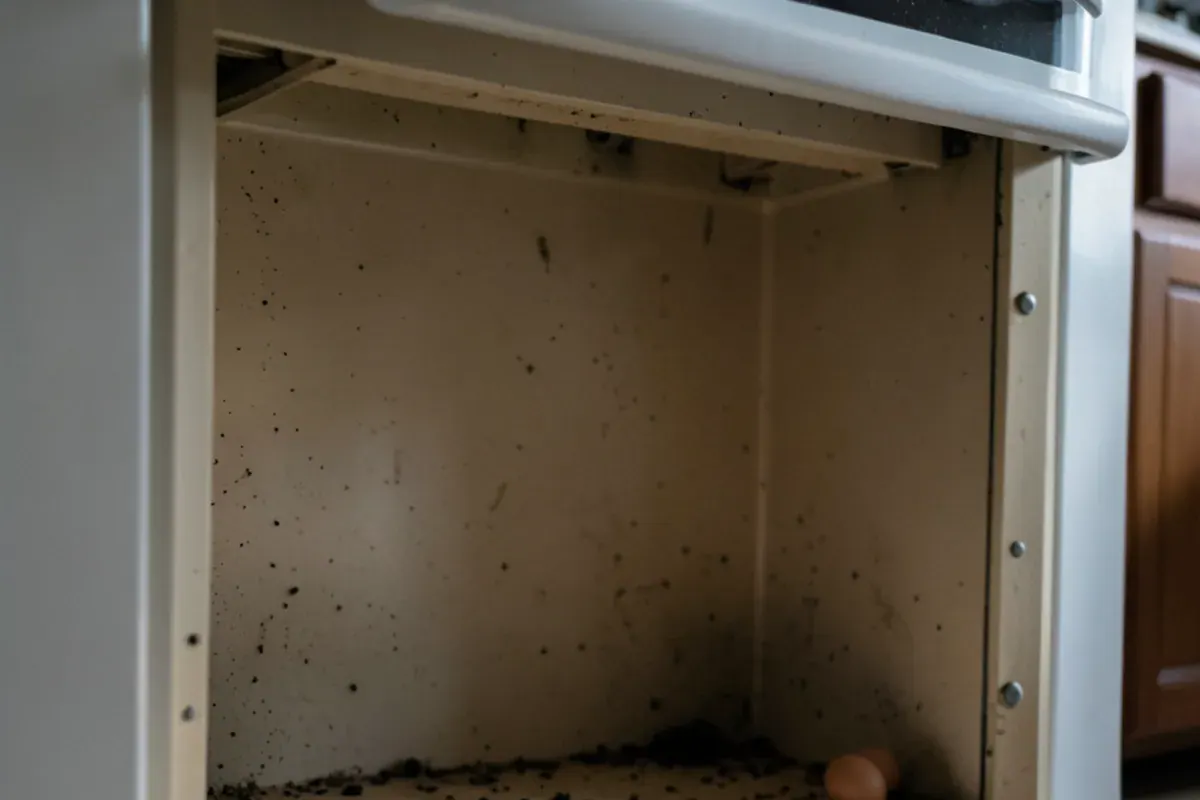
They want warmth, moisture and food, so they settle behind the refrigerator, inside the motor housing of appliances, under the dishwasher, around the sink trap and in the hinges of cabinet doors. They live indoors all year, so Ohio winters do not thin them out.
German roaches do not wander in from outside. They hitchhike in grocery bags, cardboard boxes, secondhand appliances and on guests' belongings. In a building with shared plumbing, they also move between units through gaps around pipes.
Small roaches in the kitchen?
Take a photo next to a coin for scale and call. Size usually tells us German roach or something else.
- Serving Columbus since 1990
- 4.5★ from 55 Google reviews
- Owner-run, based on Dunning Rd
- One-time or recurring service
Prefer to write it down?
Calling is fastest. The form comes to the same desk, and we call you back during business hours.
Call (209) 563-1650German roach treatment: what we put where
Our plan uses several tools together, because German roaches adapt to any single tool. Everything is applied per label directions, and we ask about pets, children and allergies first.
| Tool | What it does | Where it goes |
|---|---|---|
| German cockroach gel bait | Roaches eat the bait and carry it back, so it reaches those that never cross open floor | Dots in hinges, along cabinet edges, under sinks and behind appliances |
| Insect growth regulator | Stops nymphs from maturing into breeding adults | Cabinet voids and harborage areas |
| Crack and crevice treatment | Places product directly into gaps and voids instead of across open surfaces | Wall voids, baseboard gaps, plumbing penetrations |
| Sticky monitors | Show which areas still have traffic after treatment | Under sinks, behind the stove and in bathrooms |
Some German roach populations learn to avoid certain bait ingredients, so we may switch bait types if the monitors do not drop. That is why one tube from a hardware store sometimes stops working.
What happens during a German roach treatment visit?
- We confirm the species and map the activityA quick look and a few monitors show whether it is German roaches and where their traffic runs.
- We ask about your householdAllergies, pets, young children and food storage shape what we apply and where.
- We treat the kitchen and bathrooms firstBait goes into hinges, seams and behind appliances, with crack and crevice work around plumbing.
- We explain what to expectMore roaches may come out of hiding in the first days. That is the bait working, not a failure.
- We return and read the monitorsFollow-up visits run biweekly or monthly until the catch drops to zero.
The bait check rhythm after the first visit
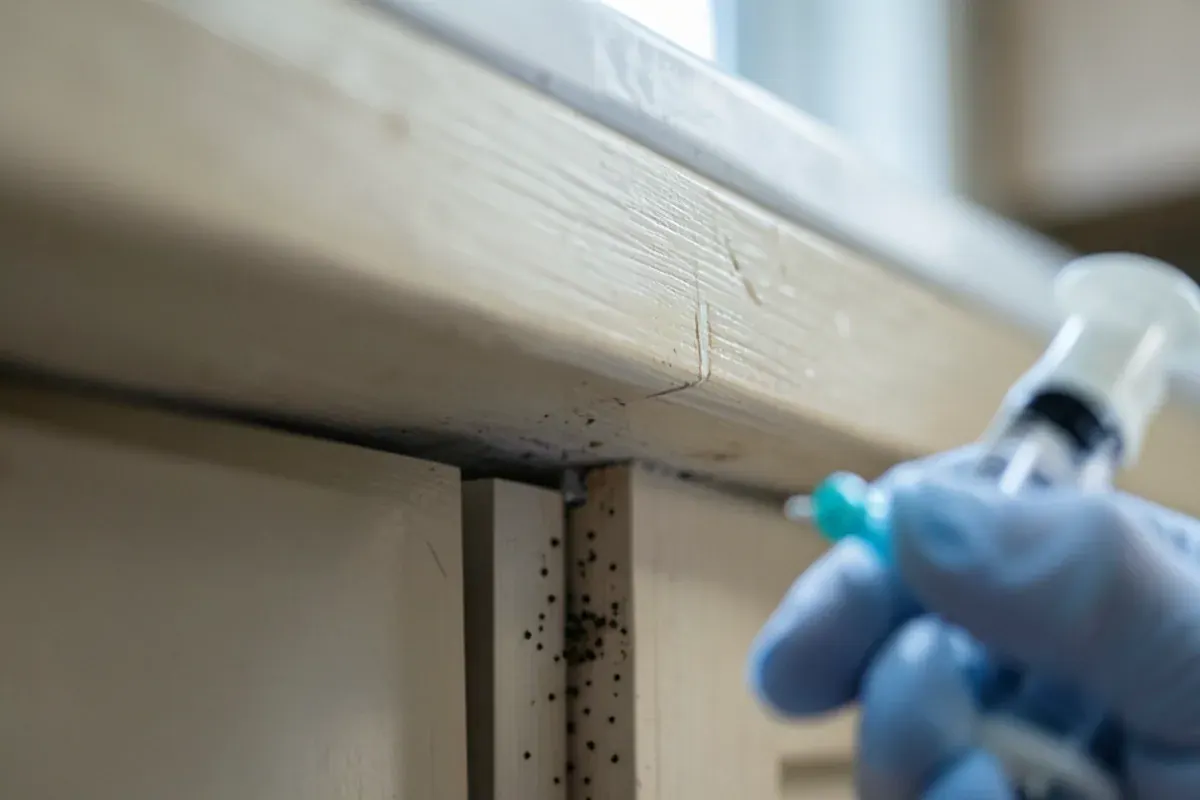
Texas A&M's school IPM plan checks bait about two weeks after the first placement, then every two weeks until the monitors read zero. A pea-size dot of gel bait at many hiding spots beats a few big blobs, according to Purdue Extension. We follow the same logic: many small placements, a monitor in each room that matters and a return visit that reads what the monitors caught.
Why do German roaches keep coming back?
Usually because something upstream or next door still feeds the population. In a house, it is often one overlooked harborage, such as a failing dishwasher seal or a pile of cardboard. In an apartment, it is the neighboring unit.
Surviving egg capsules are the other reason. A capsule tucked in a crack can hatch weeks after treatment, which is why the plan includes a return visit. If you have a shared wall, our page on apartment cockroach treatment explains how we plan around the adjoining units.
Do store-bought sprays make them worse? Often, yes. Repellent sprays and foggers drive roaches out of their hiding spots and into new rooms, and they can leave roaches avoiding the bait we place later. Our guide on how German roaches spread in an apartment covers the routes in detail.
House or apartment: where treatment stops being enough
In a single-family house, one treated kitchen and one sealed harborage can end the problem. In a building with shared plumbing, one unit's treatment does not help if the unit next door keeps breeding. Columbus Health Code makes the owner of a dwelling with two or more units responsible for eliminating pests (Columbus Public Health), so a landlord who coordinates every unit solves what a single tenant cannot.
What affects the cost of German roach treatment?
The price depends on how many rooms are involved, how heavy the population is and whether the building is shared. A single kitchen with an early problem is a different job from a full unit where roaches have reached the bedrooms. We also factor in how much prep you can do.
We explain the price before work starts, along with how many follow-up visits the plan is likely to need. Heavy infestations cost more because they take more visits, not because of a hidden fee.
Keeping German roaches from returning
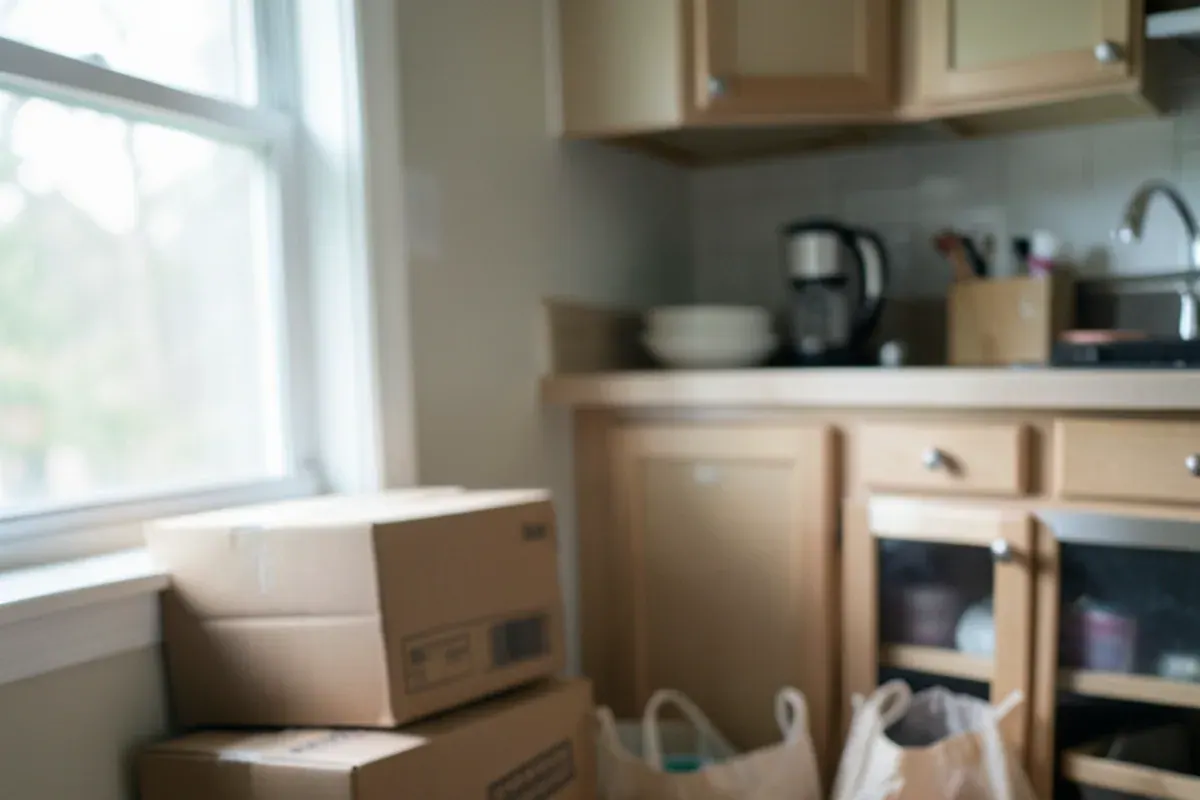
- Break down cardboard boxes right away, since they are warm, dry hiding places
- Fix dripping faucets and wipe the sink dry at night, because water matters more to roaches than crumbs
- Seal food in containers and do not leave pet food out overnight
- Inspect secondhand appliances and grocery bags before they reach the kitchen
- Report roaches to your landlord quickly, because a unit next door can restart the problem
Our German vs American cockroach guide is a quick way to confirm what you have, and the cockroach prevention checklist covers the sanitation habits that support treatment.
German roach sprays and foggers: EPA label law and Ohio's contractor check
Under federal pesticide law, the product label is the rule. Using a product in a way the label does not allow is a violation, which is why a label is worth reading before you buy a can for the kitchen. EPA's 2010 labeling letter on indoor total release foggers cites a CDC analysis of fogger incidents, where failing to leave, returning early and not airing out the room were common problems.
If you hire out the work, Ohio requires a company applying pesticides for hire to hold an ODA Pesticide Business License, and the ODA business search is public. Ask which gel bait goes where, what the re-entry time is and when the first bait check happens. In Columbus, Health Code §221.03 expects dwellings to be kept insect-free.
Why Boydes Exterminating for this work
Along with American, brown-banded and Oriental roaches, German cockroaches are one of the species we treat in central Ohio homes, apartments and restaurant kitchens.
If monitors do not drop, we change the bait and the placement rather than repeating what did not work.
We ask about allergies, pets and children at each visit, and you get documentation after an inspection.
Follow-ups are biweekly, monthly or bimonthly depending on the count, and the price is explained before work starts.
Where we do this work
- Columbus With about 56% of homes rented, German roaches move between kitchens through shared pipe chases and wall voids.
- Whitehall About 61% of Whitehall homes are rented, so one unit's kitchen colony often reaches the next unit.
- Urbancrest About 77% of Urbancrest homes are rented, which keeps neighboring kitchens close enough to share a colony.
- Lincoln Village With 38% of homes rented and a median build year of 1962, kitchens here are well aged.
- Reynoldsburg Roughly 39% of homes are rented, and grocery bags and used appliances carry German roaches between households.
- Valleyview Median home built in 1950 and 28% rented, in a village of about 0.15 square miles.
- Hilliard About 31% of Hilliard homes are rented, and rental kitchens are where German roaches settle first.
- Grove City About 30% of Grove City homes are rented, so apartment kitchens drive most German roach calls.
- Huber Ridge A median home built in 1969 and 30% rented means older kitchens with cabinets and appliances to hide behind.
We treat German roaches in kitchens from Columbus to Reynoldsburg, Westerville, Grove City and Hilliard. Check the full list of service areas for your neighborhood.
German Cockroach Control: common questions
How do I know they are German cockroaches?
Look for a half-inch tan roach with two dark stripes behind the head, found mostly in kitchens and bathrooms. Young ones are darker with a pale stripe down the back. If the roach is over an inch, it is a different species. A monitor catch or a photo lets us confirm the type quickly.
Why do German roaches keep coming back?
Most repeats come from a missed hiding spot, an egg capsule that hatched after treatment or a neighboring unit that still has a colony. Heavy clutter and leaks keep the population fed. We find those sources during inspection and use follow-up visits to catch anything that hatched later.
Do store-bought sprays make them worse?
They often do. Repellent sprays and foggers scare roaches out of hiding and spread them through the unit, and they can leave residue that roaches avoid, so bait works less well afterward. If you have already sprayed, tell us what you used and where, and we will plan the bait placement around it.
How long until the roaches are gone?
You should see fewer roaches within the first couple of weeks, and the full course often takes several follow-up visits because eggs hatch in stages. A light problem finishes sooner than a heavy one. We read the monitors at each return visit and stop when the catch stays at zero.
Can German roaches survive a cold Ohio winter?
Indoors, yes. German roaches live inside heated buildings year-round and breed in warm kitchens regardless of the season. They do not survive long outside in freezing weather, but they never need to. That is why a roach sighting in January is just as serious as one in July.
Do I need to throw out food or appliances?
Usually not. Seal open food in containers and clear the cabinets we are treating. An appliance is only worth replacing if roaches have filled the motor housing and cannot be reached, which is rare. We will tell you at the visit if something is beyond saving, and we will not push you to buy anything.
Sources
What customers say
4.5 stars from 55 Google reviews, checked November 2026. Read more reviews · Leave a review
Mr. Boyde’s company is responsive and honest. They answer phone calls, give estimates, and come to your home quickly. Pricing is true to market price with no surprise charges.
Great service. Super dependable. Calls right back. This time he was able to come out same day.
Excellent service, very easy to schedule appointments. No inspection needed to get the job done sooner and very forward about the cost.
Start the German roach plan
Tell us which rooms you have seen them in. We will explain the bait plan, the follow-ups and the price.
- Serving Columbus since 1990
- 4.5★ from 55 Google reviews
- Owner-run, based on Dunning Rd
- One-time or recurring service
Boydes Exterminating Co, 1967 Dunning Rd, Columbus, OH 43219