
Boydes Exterminating Co
American Cockroach Control in Columbus, OH
American cockroach control in Columbus, OH deals with the biggest roach that lives in our buildings: a reddish-brown insect up to two inches long that turns up in basements, floor drains and boiler rooms. It sits within our broader cockroach control in Columbus service, but the plan looks very different from a kitchen roach job.
- Serving Columbus since 1990
- 4.5★ from 55 Google reviews
- Owner-run, based on Dunning Rd
- One-time or recurring service
Finding one large roach in a basement is startling and often not a sign of a dirty house. It is usually a sign that the building has a way in, a damp spot or a drain that is not doing its job.
Why do I see big roaches in my basement?
American cockroaches (Periplaneta americana) like warm, damp, dark places with an easy route outdoors. A basement with a floor drain, a water heater and a few gaps along the sill plate checks every box.
Most calls follow the same pattern. A homeowner finds a single large roach near the drain or the laundry sink, then another a week later. A heavy rain or a cold snap can send more indoors, because the roaches are leaving their outdoor shelters for something warmer and drier.
How big do American cockroaches get?
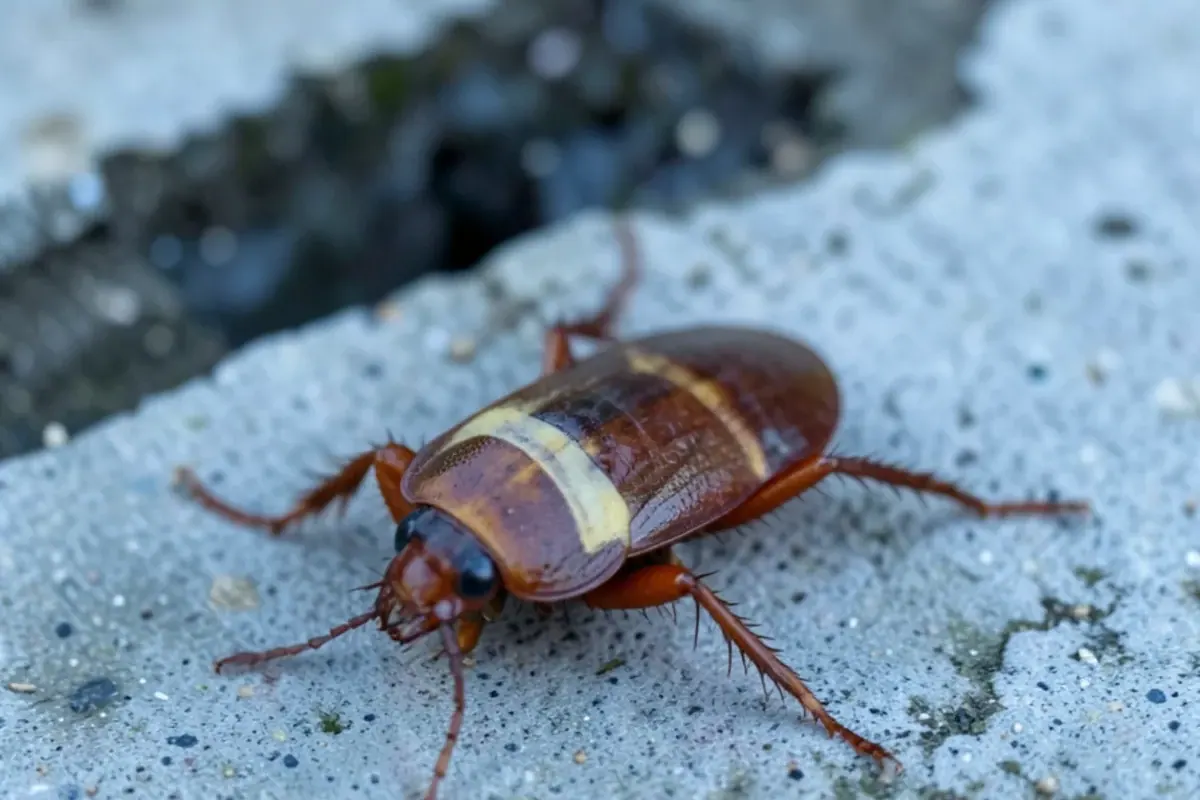
Adults reach about one and a half to two inches, which makes them the largest common roach in Ohio. This is how they separate from the others:
- Reddish brown, with a pale yellowish band edging the shield behind the head, often shaped like a figure eight
- Fully developed wings that extend past the abdomen, and the ability to glide or flutter a short distance in warm weather
- A dark brown egg capsule about three-eighths of an inch long, holding around 14 to 16 eggs
- Young roaches that are wingless, grayish-brown at first and slowly darken as they molt
- A slow life cycle, with nymphs taking many months to a year or more to mature
That slow growth matters. A big roach is an adult, so it has been around long enough to have come from somewhere. If you are weighing it against a smaller kitchen pest, our German vs American cockroach guide compares the two side by side.
Found a huge roach in the basement?
Describe where it was and how big. A floor drain or a door sweep is often the clue.
- Serving Columbus since 1990
- 4.5★ from 55 Google reviews
- Owner-run, based on Dunning Rd
- One-time or recurring service
Prefer to write it down?
Calling is fastest. The form comes to the same desk, and we call you back during business hours.
Call (209) 563-1650Are American roaches coming from the sewer?
Sometimes, yes. American roaches live in sewers and storm drains, and they come up through floor drains where the trap has dried out, through broken lines and through cracks where pipes enter the foundation. A basement drain that rarely sees water is an open door.
They also live outdoors, in mulch, tree hollows, window wells, stacked firewood and the voids around utility meters. From there, they walk in under a door sweep or through a gap around a pipe or dryer vent.
Dry drain traps and the basement floor drain
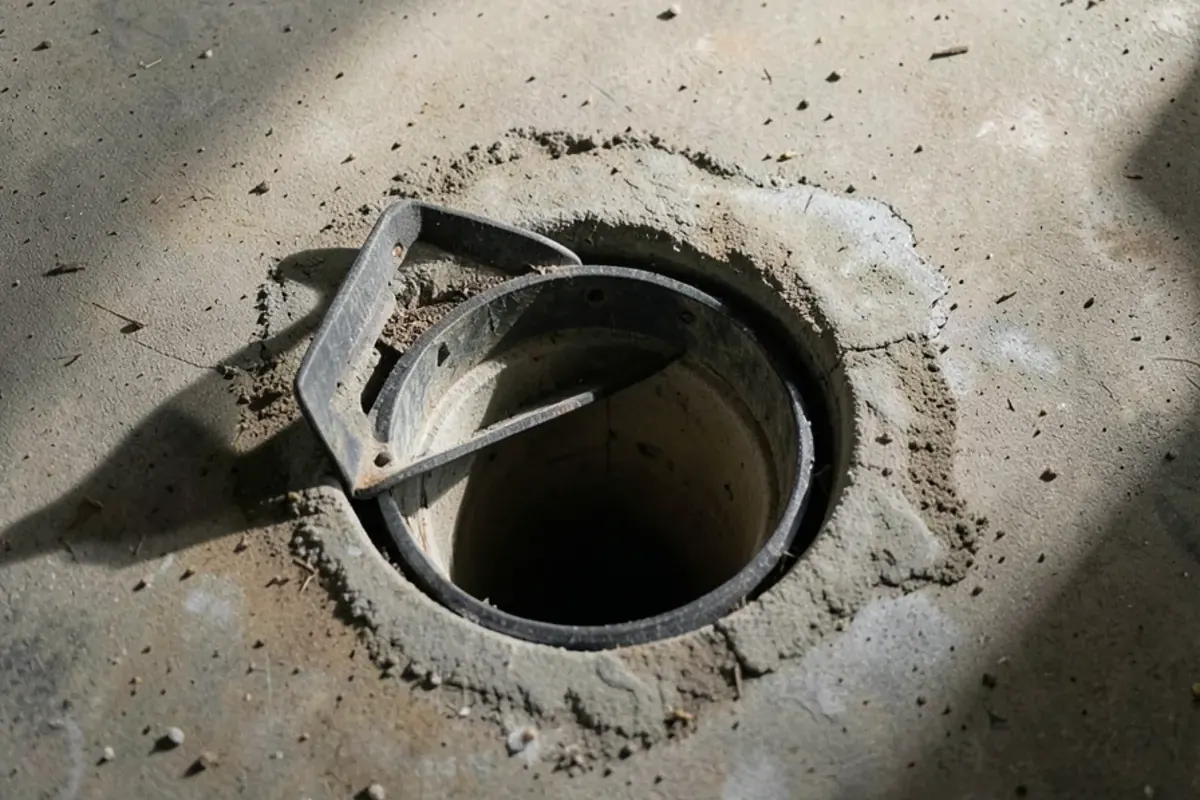
A floor drain holds a trap, a curved section of pipe that keeps water standing as a barrier. When a basement drain rarely sees water, the trap dries and leaves an open path from the sewer. Pouring water into rarely used drains every few weeks refills the seal. A drain that stays dry after you refill it, or that backs up, needs a plumber, and we say so.
So the answer is both. We work out which route is active by looking at drains, thresholds and exterior conditions, because sealing the wrong entry leaves the real one open. This is why American cockroach treatment is part inspection and part building repair.
Palmetto bugs in Ohio: same roach, different nickname
People in the South call this insect a palmetto bug, and some Columbus customers use the name too. It is the American cockroach, not a separate species and not a beetle. Treating it as a visitor you can ignore is how a few roaches become a colony in a boiler room or utility chase.
Another nickname, water bug, usually points to a different roach. The darker, shinier one that likes damp cellars is covered on our Oriental cockroach control page.
American cockroach treatment: sealing, bait and the outside perimeter
Sprays alone seldom solve an American roach problem, since the roaches keep arriving from the sewer or the yard. We pair treatment with fixing how they get in. Everything is applied per label directions.
| Area | What we do | Why |
|---|---|---|
| Basement drains | Check traps, keep them wet and treat the area around them | A dry trap lets sewer roaches walk in |
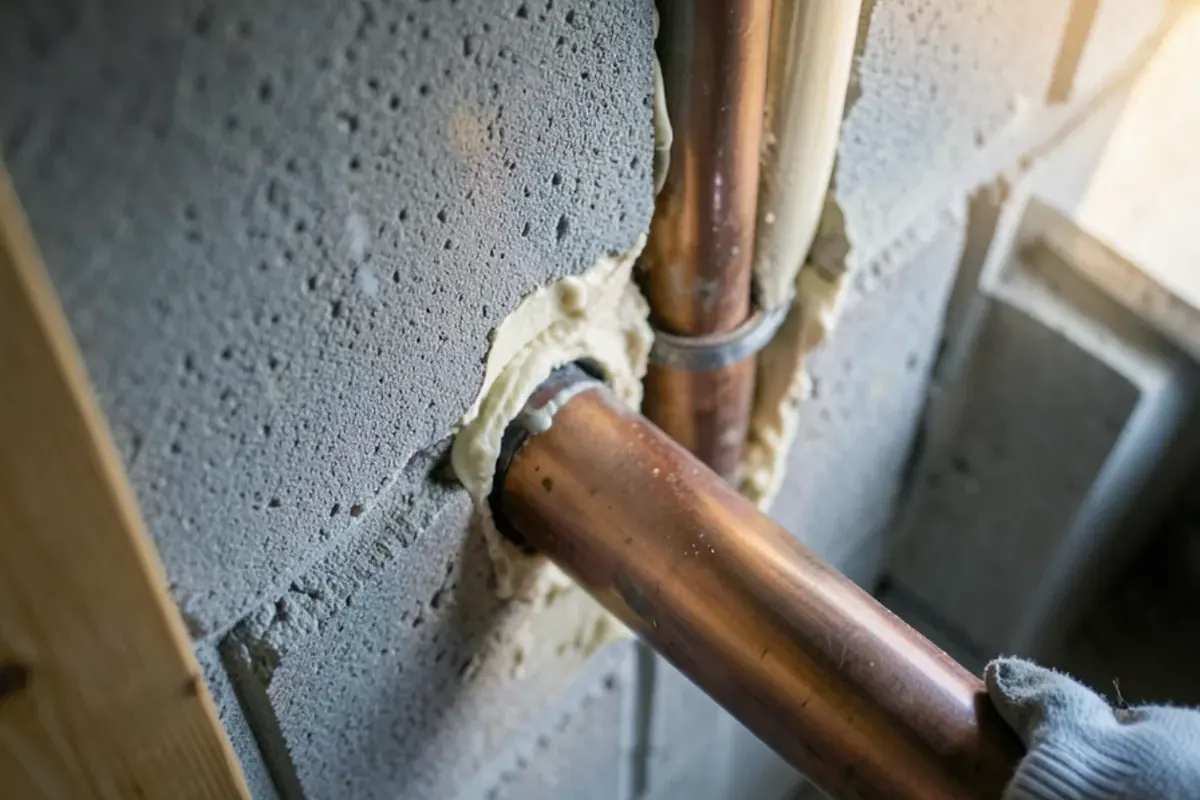
| Foundation and sill | Seal gaps around pipes, vents and the sill plate | Closes the routes the roaches use to come in |
| Exterior perimeter | Apply a perimeter treatment around the foundation and door thresholds | Reaches roaches living in mulch and window wells |
| Utility voids | Crack and crevice treatment where lines pass through walls | Targets the dark, warm voids roaches rest in |
| Damp spots | Flag leaks and ask for dehumidifier or repair work | Moisture is what keeps them in the building |
Where bait goes in a basement
Cornell's community IPM guidance for American and Oriental roaches puts bait stations in the basement near sewer or floor drains and in damp crawl spaces, since that is where these roaches travel. We place bait the same way, in voids behind the water heater, beside the drain and along the sill, where a large roach feeds out of sight. Bait does the most when the entry gaps are sealed in the same visit, so new roaches do not walk in behind it.
Bait stations and gel placements are used in voids where a larger roach feeds. In restaurants, hotels and other commercial buildings, we add inspection of kitchens, dish pits and grease traps.
What does an American cockroach visit look like?
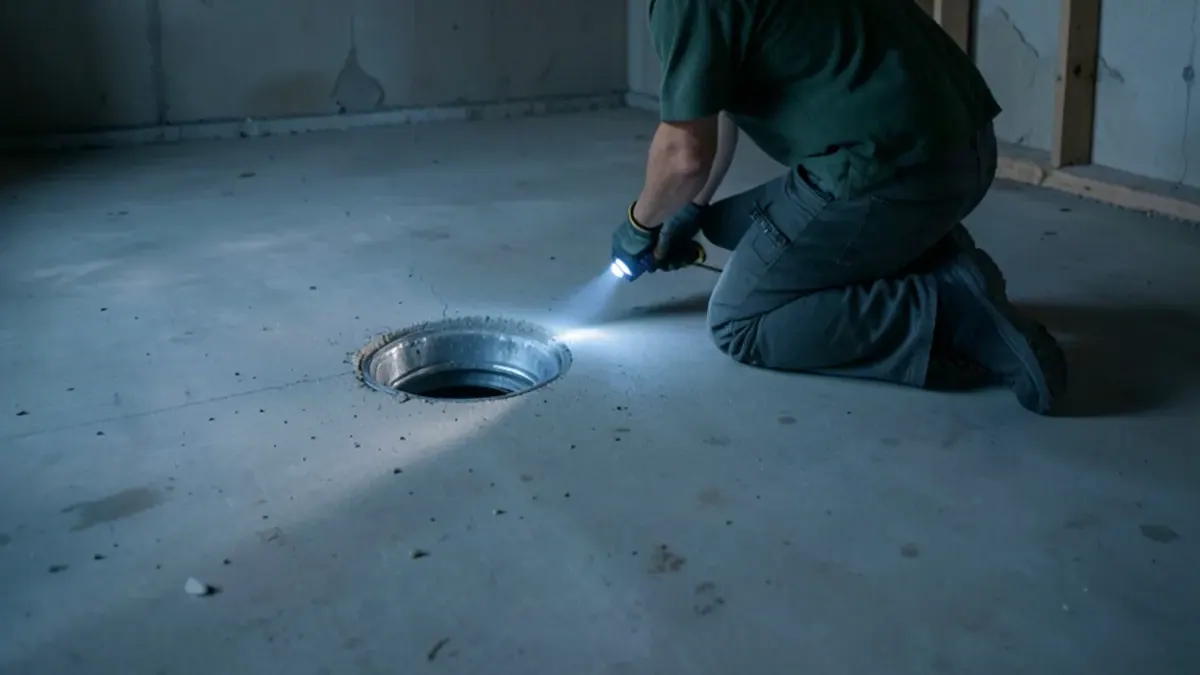
- We start in the basementWe check floor drains, sump pits, the water heater area and the sill plate with a flashlight.
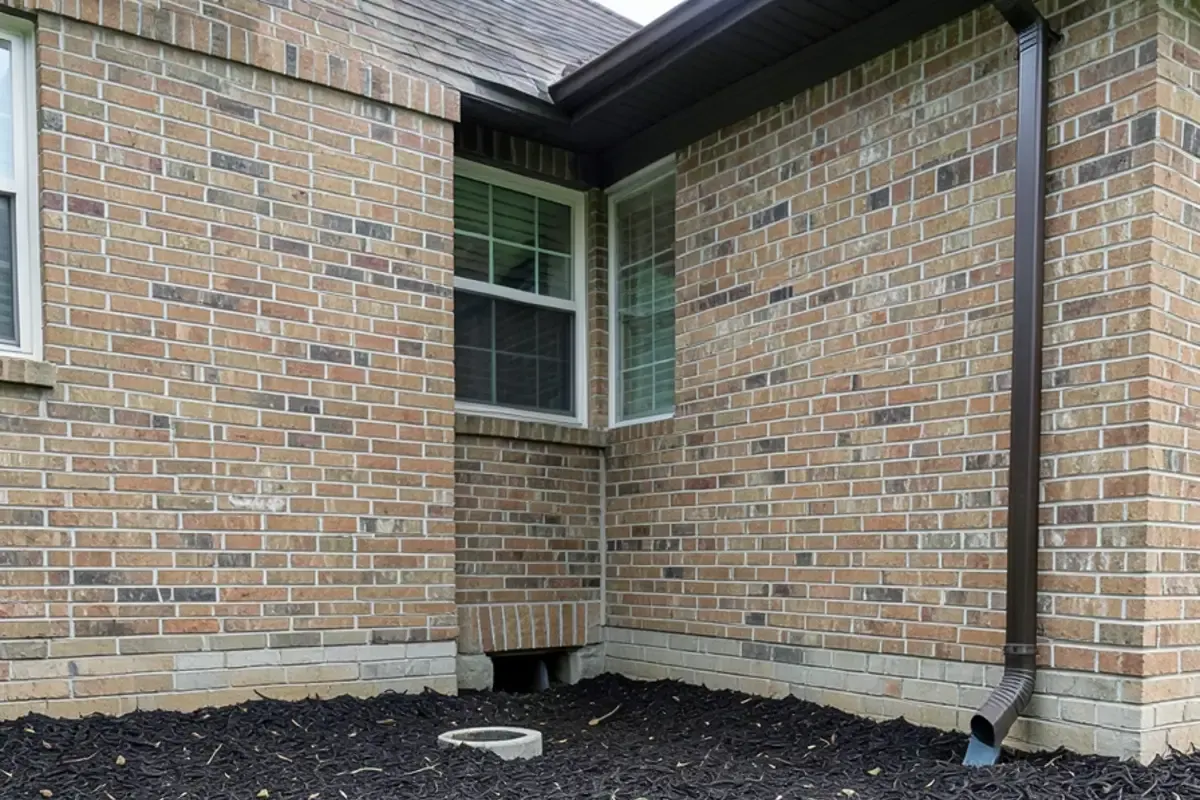
- We walk the outsideFoundation cracks, window wells, mulch beds, firewood piles and door thresholds show how the roaches get in.
- We treat and mark the entry pointsInterior voids and the exterior perimeter are treated, and we tell you which gaps to seal or which we can address.
- We explain the moisture fixesA leaking pipe or a dry drain trap is on the homeowner or landlord, and we point out exactly where.
- We return as neededFollow-ups run monthly or bimonthly, depending on whether new roaches keep appearing.
What does American cockroach control cost?
We price by the extent of the problem and the size of the area, and we explain the price before work starts. A single house with a basement drain issue is a smaller job than a restaurant kitchen or a multi-story building with shared utility chases.
Costs rise when entry points are many or hard to reach, when exterior work covers a large footprint or when the moisture problem takes repairs outside our work. Sealing and drain care are often the most useful part of the bill.
Basement roach entry in Columbus: the half-inch sealing rule in Health Code §221.03
Columbus Health Code §221.03 expects dwellings to be kept insect-free and says openings of half an inch or more within 48 inches of ground level should be sealed (Columbus Public Health). That is the rule behind pipe gaps, door sweeps and sill cracks, the same spots American roaches use. For a dwelling of two or more units, the city puts pest elimination on the owner.
Sealing is not a pesticide step, but exterior and drain treatments are. Ohio requires a company applying pesticides for hire to hold an ODA Pesticide Business License, and the ODA search is public. EPA treats the label as the rule for where a perimeter product may go. Ask for the product name, the re-entry time and a list of the gaps that will be sealed.
Why Boydes Exterminating for this work
Drains, thresholds, window wells and utility lines get checked, because American roaches are a building problem more than a housekeeping one.
Homeowners, hotels, restaurants and apartment managers across central Ohio call us, and a boiler room and a banquet kitchen each get their own plan.
A dry drain trap or a leaking supply line is a repair, and we say so plainly instead of treating around it.
Mr. Boyde's company has operated since 1990. Pricing depends on the infestation and is explained before the work starts.
Where we do this work
- Columbus The median Columbus home dates to 1980, and older basements with floor drains hold the larger roaches.
- Bexley With a median home year of 1944 and Alum Creek on the east side, basements here run damp.
- Whitehall The median home dates to 1961, and basement drains in aging apartment buildings are common entry points.
- Upper Arlington A planned suburb begun in 1913 with a median home built in 1959, so foundations and drains are well aged.
- Worthington Founded in 1803, with a median home built in 1963 and the Olentangy River close to many foundations.
- Riverlea A median home built in 1952, wooded lots and the Olentangy River along its western border.
- Blacklick Estates About 300 homes flooded in 1979 when Blacklick Creek topped a levee, and median homes date to 1966.
- Huber Ridge Alum Creek forms part of its edge and the median home dates to 1969, so cellars and banks stay damp.
- Lincoln Village A planned community from 1955 with a median home built in 1962, now carrying aging basement drains.
American roaches show up in older basements across Columbus, Grove City, Hilliard, Dublin and Reynoldsburg. Our service areas page lists everywhere we work.
American Cockroach Control: common questions
Why do I see big roaches in my basement?
Basements are warm, damp and dark, with floor drains and foundation gaps that connect to the sewer and the yard. American roaches follow moisture and shelter, so they gather there, often after heavy rain or a cold spell. One large roach usually means a way in, so we look at drains and thresholds.
Are American roaches coming from the sewer?
Often. They live in sewers and storm drains and climb up through floor drains with dry traps, broken lines and gaps around pipes. They also live outside in mulch and window wells and walk in under doors. We check both routes before deciding what to seal and where to treat.
How big do American cockroaches get?
Adults commonly measure one and a half to two inches, and they are reddish brown with a pale band around the edge of the shield behind the head. Their wings reach past the abdomen. If the roach is closer to half an inch, it is a different species, and our other roach pages cover those.
Do American roaches fly?
They can glide or flutter short distances, mostly in warm weather, and they sometimes flutter toward a light or a person. They do not fly well. If you see one on a wall or ceiling, it probably climbed. Their strongest tool is how fast they run and how thin a gap they can squeeze through.
Is a palmetto bug the same as an American cockroach?
Yes. Palmetto bug is a regional nickname for the American cockroach, mostly used in the South, though some Ohioans use it too. Calling it a bug does not make it something else. It is the same large reddish-brown roach, and it is treated the same way.
Will pouring bleach down the drain stop them?
Not reliably. Bleach rinses through quickly and does not affect roaches in the sewer line. Keeping the trap full of water helps block the route, and that is the useful habit. If the roaches keep coming from a drain, we treat the area and may recommend a plumber check the line.
Sources
What customers say
4.5 stars from 55 Google reviews, checked November 2026. Read more reviews · Leave a review
Mr. Boyde’s company is responsive and honest. They answer phone calls, give estimates, and come to your home quickly. Pricing is true to market price with no surprise charges.
Great service. Super dependable. Calls right back. This time he was able to come out same day.
Excellent service, very easy to schedule appointments. No inspection needed to get the job done sooner and very forward about the cost.
Close the way in
Call and tell us about the basement. We will explain the treatment, the sealing and the price.
- Serving Columbus since 1990
- 4.5★ from 55 Google reviews
- Owner-run, based on Dunning Rd
- One-time or recurring service
Boydes Exterminating Co, 1967 Dunning Rd, Columbus, OH 43219