
Commercial Pest Control
Bed Bug Protocol for Central Ohio Hotels
A hotel bed bug protocol is a written sequence your staff follows the moment a complaint or a sighting comes in: take the room out of service, inspect the rooms around it, document, treat, and verify before the room returns. Properties that decide this ahead of time lose fewer room nights and handle guests more calmly.
- Serving Columbus since 1990
- 4.5★ from 55 Google reviews
- Owner-run, based on Dunning Rd
- One-time or recurring service
This guide gives central Ohio hotel managers a working outline. Our hotel pest control work follows the same stages, and the wider picture sits on our commercial pest control page.
What should housekeeping watch for?
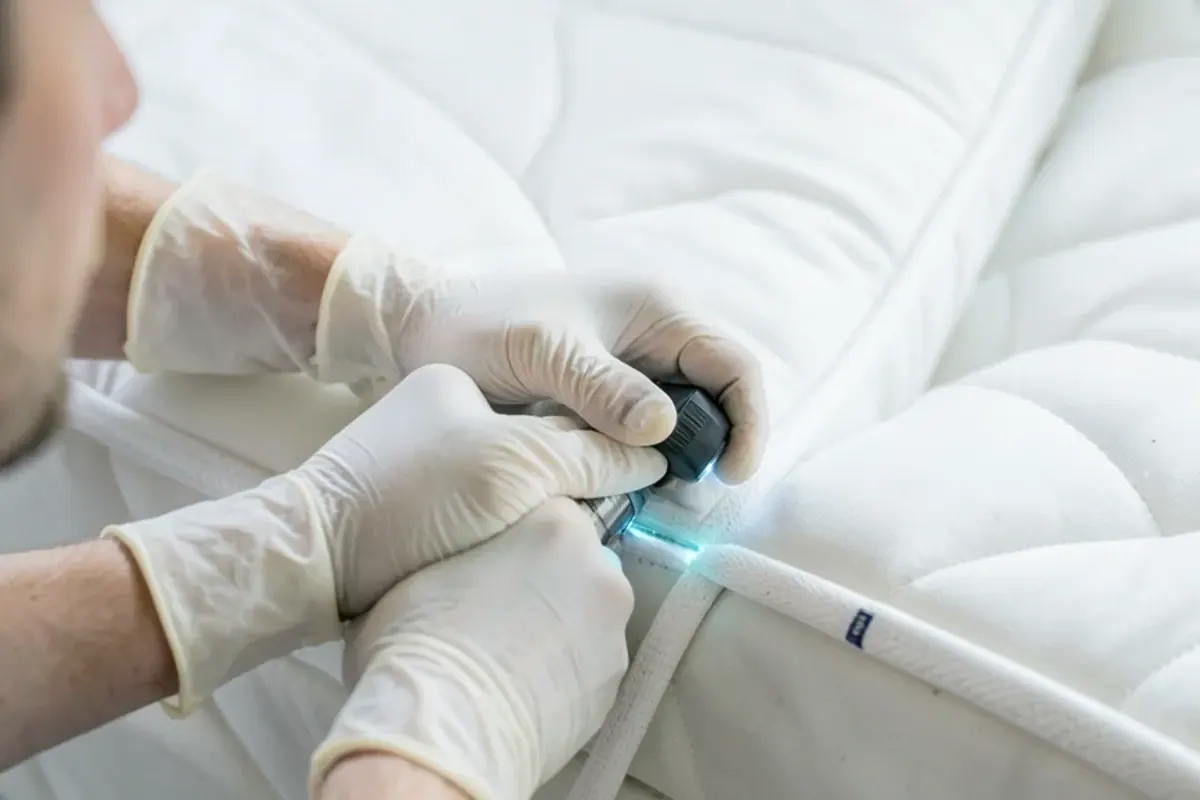
Housekeepers see more beds in a week than most inspectors see in a year, so training them is the cheapest early warning you have. Teach them to look at the seams, not just the sheets.
- Small dark spots on the mattress seams, piping and tags, which are bed bug droppings.
- Tiny rusty or red stains on sheets, which can be crushed bugs or blood.
- Pale shed skins and whitish eggs in seams and under the headboard.
- Live bugs, flat and reddish brown, around the headboard, nightstand and bed frame joints.
- A guest report of bites. Treat it as a lead and check the room, even if the bites could be from something else.
Need a protocol your front desk can follow?
Tell us the property size and your current process. We will point out the gaps before a guest finds them.
- Serving Columbus since 1990
- 4.5★ from 55 Google reviews
- Owner-run, based on Dunning Rd
- One-time or recurring service
What happens when a complaint comes in?
Speed and consistency matter more than perfection. Put the steps on a card and make every shift manager know them.
- Take the room out of service at once and keep housekeeping out of it.
- Move the guest to a room that is not adjacent, above or below, and handle their luggage with care so bugs are not carried along.
- Record the date, room number, who reported it and what was seen.
- Call your pest company for an inspection of the room and the ones next to it.
- Seal linens from the room in bags and wash and dry them hot per the care label, without carrying them through other rooms.
- Hold the room until the treatment plan is complete and the room is rechecked.
Talk to your own counsel and your insurer about how to speak to guests and handle claims. We treat the bugs; the guest-relations and legal side is yours.
What do you say to the guest?
Keep the conversation short, calm and factual. Say the room is being checked, offer a different room right away and ask whether their belongings need to be bagged. Avoid guessing at the cause or the source in the lobby, since a guess becomes a quote in a review.
Write a one-paragraph script and give it to every desk agent. A guest who hears the same calm words from every shift is less likely to escalate than one who gets three different answers.
How far should a hotel inspect beyond the room?
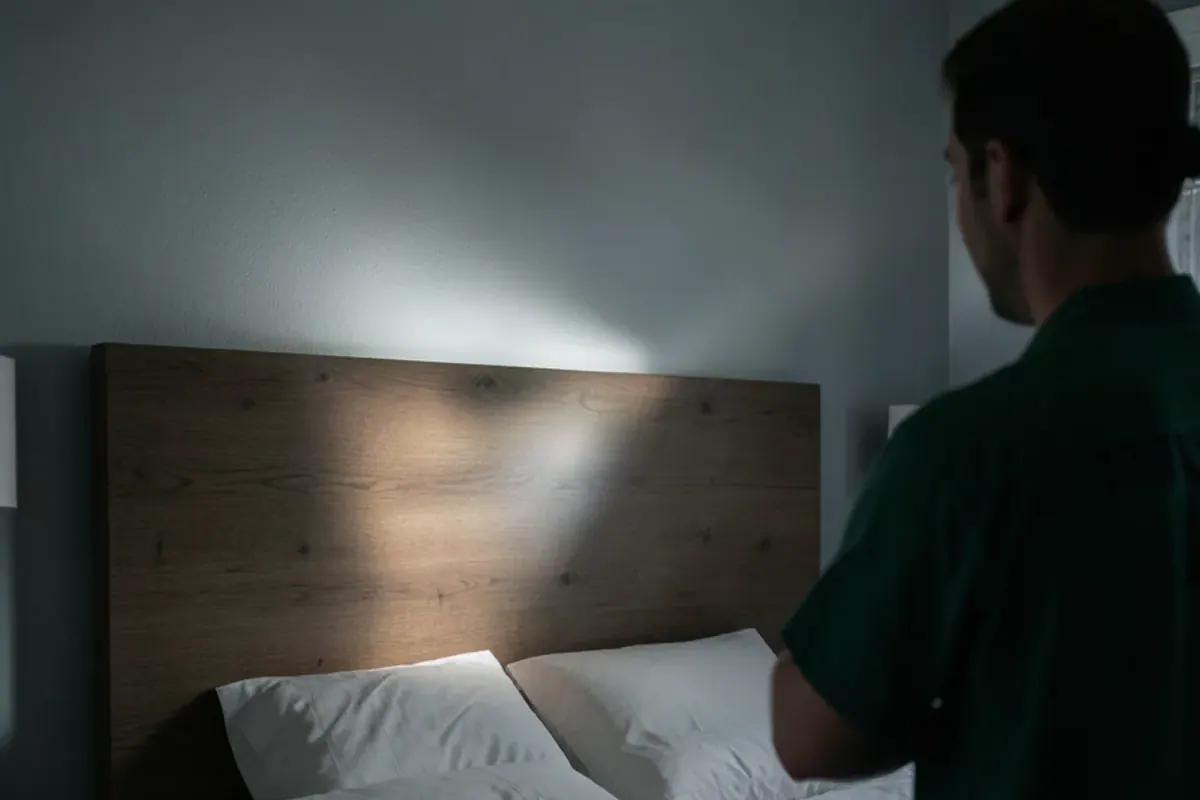
Bed bugs travel through wall voids, plumbing chases and shared hallways. Inspect the rooms on either side, directly above and directly below, plus the room across the hall if the findings are heavy.
A single sighting does not always mean a spread, but you will not know until someone looks behind the headboards and under the beds next door. If one adjacent room shows activity, widen the check to the next ring of rooms. That reasoning, not guesswork, decides your out-of-service list.
Which treatment fits a hotel room?
The right method depends on how many rooms are involved and how fast they must return to the market. We work with three, and each has its own trade-offs.
| Method | Speed | Fits | Watch for |
|---|---|---|---|
| Heat treatment, reaching 140 degrees and higher | Often a single visit | Isolated rooms that must reopen fast | Cool spots in dense furniture, and no lasting barrier |
| Residual treatment over a 4 to 6 week course | Slower, follow-ups required | Several rooms or a wider spread | Skipped follow-ups |
| Aprehend, with its own prep protocol | One application, with possible repeat | Rooms where the barrier can stay undisturbed | Cleaning that disturbs treated lines |
Many hotel jobs combine methods. We also offer preventative treatments for property owners, so a property with a past problem can add a protective layer.
How can a hotel verify that a room is clear?
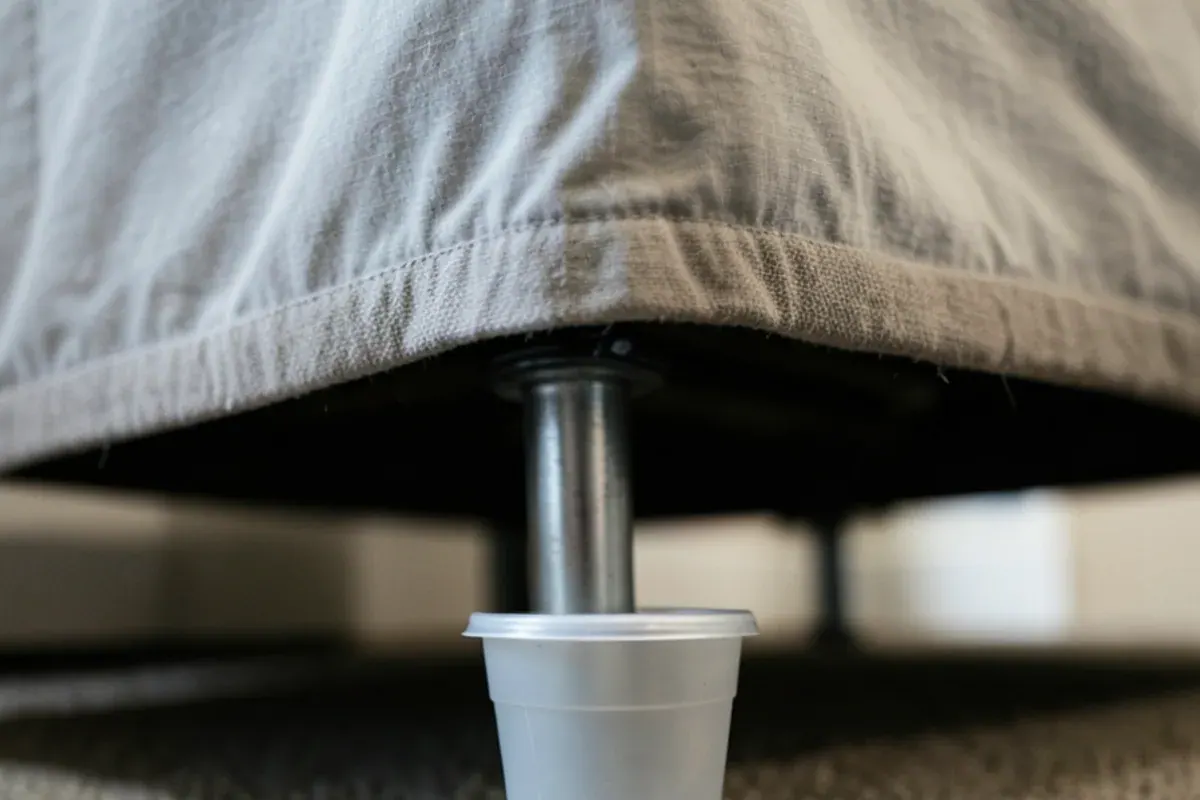
A room is not clear because the treatment is done. It is clear when inspection and monitoring show no activity. Plan a recheck after treatment, and use monitors under bed legs and along the headboard, so a survivor shows up in the monitor instead of in a guest review.
Put the room back into service only after the recheck is documented. Keep the inspection report, the treatment record and the recheck note in the same file. Our post on pest control logbooks covers the full record set.
How long should monitoring continue after treatment?
Longer than a week. EPA advises checking on a regular schedule after treatment, emptying interceptor traps (cups that catch bugs climbing a bed leg) weekly, and continuing to watch for at least a year. A hotel can do this room by room with a simple log, and the check takes only a minute during turnover.
If a monitor catches a bug, inspect the room again before it goes back on the market, and look at the adjacent rooms too.
Who does what in a hotel bed bug protocol?
A protocol fails when everyone assumes someone else has the card. Assign each step to a role and print it where the role will see it.
| Role | First action | Record to keep |
|---|---|---|
| Housekeeper | Stop work in the room and report to the supervisor | Room number, time, what was seen |
| Housekeeping supervisor | Confirm the sighting and tag the room out of service | Photo of the evidence if found |
| Front desk | Offer a non-adjacent room and log the guest report | Guest contact and date of report |
| Maintenance | Hold the room, avoid moving furniture or bedding | Any repairs made to headboards or baseboards |
| General manager | Call the pest company and sign off on return to service | Inspection, treatment and recheck notes |
Review the roles once a year and whenever the management team changes. A protocol in a binder nobody has opened is no protocol at all.
How do you reduce the odds of a repeat?
- Use mattress and box spring encasements so there are fewer seams to hide in.
- Keep headboards mounted flat to the wall with no gaps behind them.
- Place luggage racks away from the wall.
- Schedule periodic inspections of a few rooms each month, rotating through the building.
- Do not move housekeeping carts or linen between a suspected room and the rest of the floor.
What we tell hotel managers about bed bugs
Hotels have worked with us for a long time, and the pattern is steady. The properties that handle bed bugs well are not the ones that never see them. They are the ones with a plan on paper and staff who know the first three steps.
We explain the price before work starts, we provide documentation after an inspection and we tell you plainly if a room needs more than one visit. We also ask about allergies and sensitive guests when we plan products, which are applied per label directions, with the re-entry time from the label.
If you have a past problem, ask us about a preventative treatment for property owners and a rotating inspection schedule.
A protocol has limits. It cannot stop a guest from carrying bugs in on their luggage, and it will not help if staff skip the first step because the hotel is full. The point is to catch it early and narrow the damage.
Not every report needs a treatment. A guest bite report with nothing found in an inspection of the seams, headboard and bed frame is a reason to keep monitoring, not to spray. We would rather tell you that than book a visit you do not need. Call when you find evidence, when a second report follows within weeks or when an adjacent room shows activity.
Related questions
How long should a hotel room stay out of service for bed bugs?
It depends on the method and the findings. Heat can finish a room in a day, while a residual course runs 4 to 6 weeks with follow-ups. The room should stay out until treatment is complete and a recheck shows no activity. Your pest company can give a timeline after inspecting the room and its neighbors.
Should we inspect the rooms next to a bed bug complaint?
Yes. Check the rooms on both sides, above and below, because bed bugs move through wall voids and plumbing chases. If adjacent rooms show activity, widen the inspection to the next ring. Skipping this step is the usual reason a hotel treats one room and then sees a second complaint.
Do central Ohio hotels outside Columbus get the same service?
We serve hotels around central Ohio, including Dublin, about 25 minutes from our Dunning Rd base. Travel does not change the protocol: the same stages of out-of-service, inspection, treatment and verification apply. Call and tell us the property, the number of rooms involved and when the complaint came in.
What should a hotel do with linens and luggage from a bed bug room?
Seal linens in bags in the room and carry them straight to the laundry without passing through other rooms. Wash and dry them hot as the care label allows. Luggage should stay with the guest or be bagged until the room is checked. Your pest company can advise on items that cannot take heat.
Write your protocol down, train housekeeping on the first three steps and keep a pest company's number on the front desk card. Learn more about hotel pest control and our commercial pest control overview, then call (209) 563-1650. We serve hotels in Columbus and Dublin.
Sources
Questions about this? Call the shop.
Tell us what you are seeing and we will tell you what happens next.
- Serving Columbus since 1990
- 4.5★ from 55 Google reviews
- Owner-run, based on Dunning Rd
- One-time or recurring service
Boydes Exterminating Co, 1967 Dunning Rd, Columbus, OH 43219