
Commercial Pest Control
Stopping a Fly Problem in a Commercial Kitchen
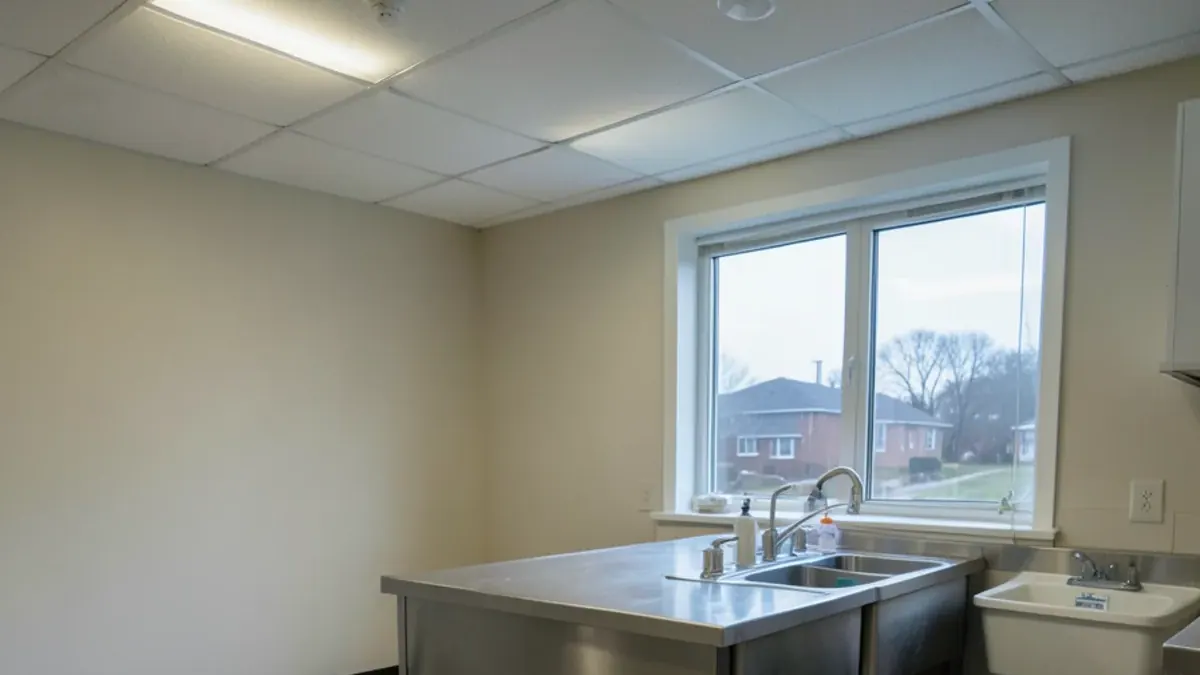
Flies in a restaurant kitchen almost always mean there is a breeding site you have not found yet. Swatting, fly tape and light traps catch adults, but the next batch is already developing in a drain, a gasket, a mop sink or a soured corner of the floor.
- Serving Columbus since 1990
- 4.5★ from 55 Google reviews
- Owner-run, based on Dunning Rd
- One-time or recurring service
The fix is a hunt, then a cleanup, then a plan to keep the spot from coming back. This post walks through that order for Columbus kitchens. Our restaurant pest control work follows the same sequence.
What kind of flies are in your kitchen?
The fly tells you where to look. Each common kitchen fly breeds in a different kind of mess.
| Fly | Where it breeds | Telltale sign | First place to check |
|---|---|---|---|
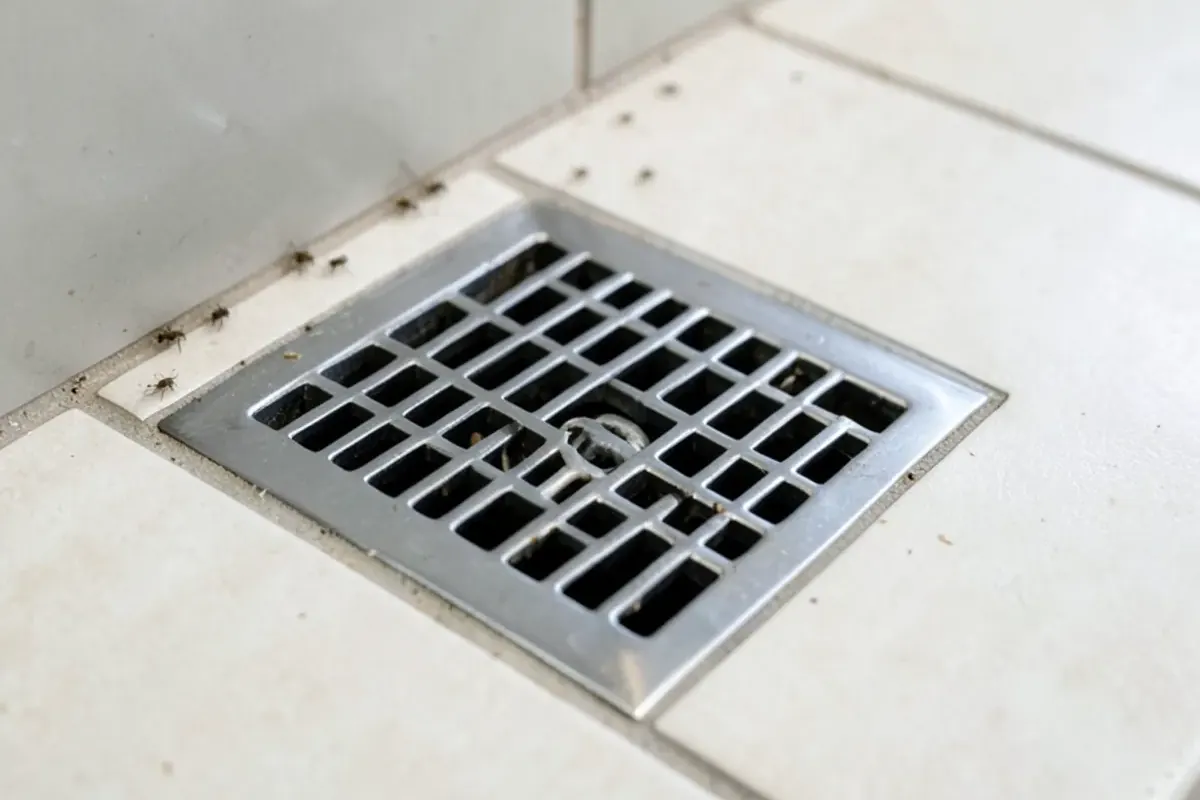
| Drain fly | Slime film inside drains and pipes | Small fuzzy moth-like flies on walls near sinks | Floor drains and prep sink drains |
| Fruit fly | Fermenting liquid and residue | Tiny tan flies hovering over produce and bar mats | Bar wells, mop buckets, sticky bottles |
| Phorid fly | Rotting buildup, cracked drain lines | Flies that run in short bursts instead of flying away | Under floor sinks, broken pipe joints |
| House fly | Garbage, spilled food, dumpster areas | Larger flies near the back door and dock | Dumpster pad, trash cans, door seals |
How fast do kitchen flies multiply?
Faster than most cleaning schedules. Alabama Extension (ACES) puts the drain fly life cycle at roughly 8 to 24 days depending on temperature and humidity, and University of Florida IFAS gives 21 to 27 days at cooler temperatures. A warm kitchen sits near the short end.
That timing explains why one deep clean rarely ends a problem. Larvae you missed keep turning into adults for weeks, so track sightings for a full three weeks after the fix before you call it done.
Flies back again after every cleaning?
Tell us which fly it is and where you see it. We will help you work out where it is breeding.
- Serving Columbus since 1990
- 4.5★ from 55 Google reviews
- Owner-run, based on Dunning Rd
- One-time or recurring service
How do you find the breeding site?
Start with the drains, because they are the most common source and the easiest to test.
- At close of service, tape a clear cup or a square of plastic over a floor drain with the edges sealed.
- Check it the next morning. Flies caught inside the cup point to that drain as a source.
- Repeat on each drain, floor sink and condensate line in the kitchen and the bar.
- Look under equipment legs, behind the dish machine and along the wall base for moist buildup.
- Check the mop sink, the ice machine drain and the walk-in floor, since they stay damp for long stretches.
If the drains come back clean, move outside. A dumpster that is overfull, a lid left open or a grease bin with a cracked lid can feed house flies that ride in on every door opening.
How do you clear a drain that is breeding flies?
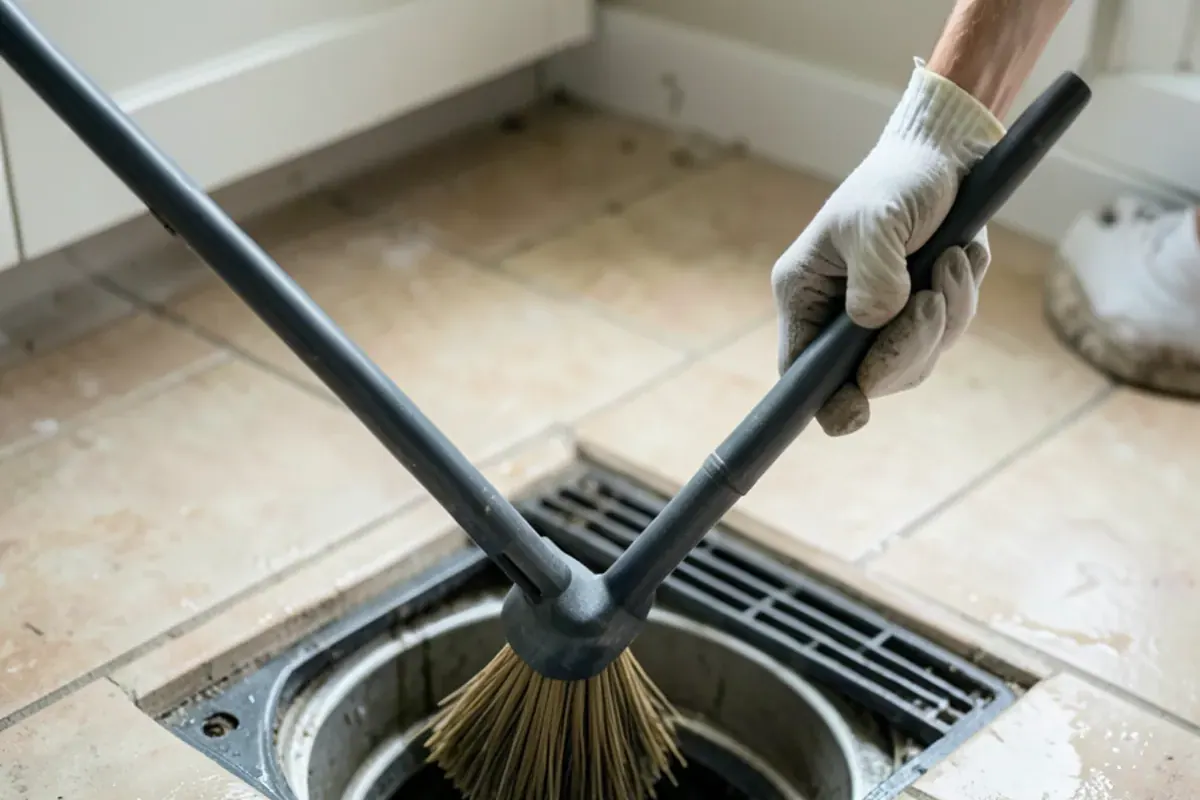
Pouring bleach or hot water down the drain rarely helps, because the film clings to the pipe wall and the liquid runs past it. The film has to be scrubbed away or broken down.
- Scrub the drain wall with a stiff brush, reaching below the grate where the film is thickest.
- Use an enzyme-based drain product made for commercial kitchens, applied per label directions and left to work overnight when the kitchen is closed.
- Clean the grate and the drain rim so eggs are not left on the surface.
- Check for a cracked or leaking line. Phorid flies can breed in soil and debris below a broken pipe, and no cleaner reaches that.
- Repeat the cup test after a few days to see whether the flies are still emerging.
When is it a plumbing problem and not a pest problem?
If flies return within days of a thorough scrub, the drain line itself may be the source. A cracked floor sink, a sagging trap arm or a grease line that sits in standing water feeds flies from below the slab. No brush or product reaches that, and a pest company cannot repair it.
In that case the right call is a plumber, and then a recheck of the drain with the cup test. Spending on pest visits while a broken line stays open only treats the adults.
What keeps adult flies out of the kitchen?
Once the source is handled, shut the door on new arrivals. This is exclusion, meaning blocking the routes a pest uses to get in.
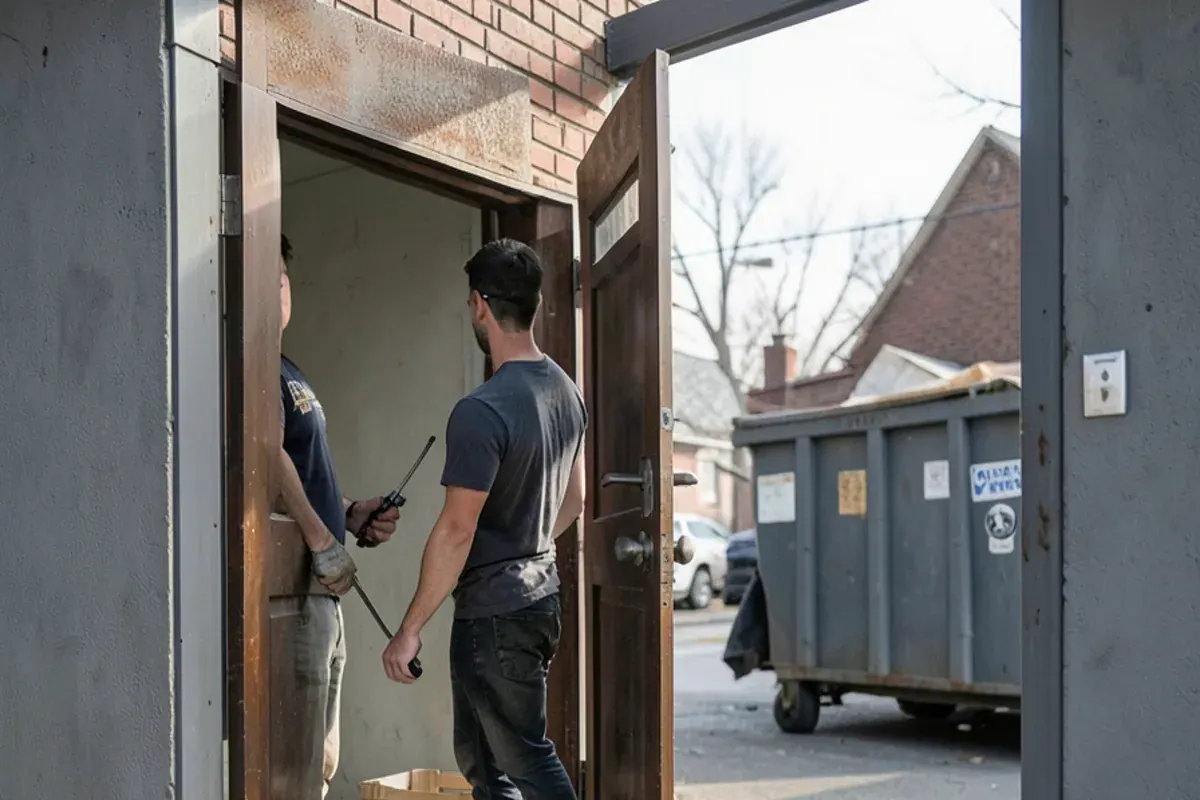
- Keep back doors closed during service. A propped door is the biggest single cause of house flies indoors.
- Fit door sweeps and seals so no daylight shows at the threshold.
- Use tight-fitting screens on windows and pass-through openings.
- Place insect light traps away from food prep, positioned where flies approach from the door, not above the line.
- Empty trash before it overflows and rinse cans on a schedule, since a film of old food inside the can keeps flies coming.
Light traps catch flies, but they do not stop breeding. Treat them as a monitor, a way to see whether pressure is rising, and not as the fix.
What does an inspector expect to see about flies?
The FDA Food Code, which Ohio's Uniform Food Safety Code follows, calls for food premises to be kept free of insects and for outer openings to be protected against them. An inspector who sees flies on the line reads it as a sign that control is slipping, even if you cleaned that morning.
What helps is evidence of a working routine. Keep these ready for a walk-through:
- Closed and sealed back doors, with sweeps that leave no daylight.
- Drains that are clean at the grate and below it.
- A fly trap position away from open food, with a fresh surface.
- Dumpster lids closed and the pad rinsed.
- A written note of each sighting and what was done about it.
The same records support a conversation with your pest provider, since they show whether a fix held.
What should a daily routine include?
A routine keeps the spot from re-forming. The full list sits in our restaurant pest control checklist for Columbus, and the fly items boil down to a few habits.
- Rinse and scrub floor drains at close, not just the floor around them.
- Wipe bar wells, soda guns and gasket seams where sugar residue collects.
- Move the mop bucket to the sink and empty it, rather than leaving it standing.
- Check that dumpster lids are closed and the pad is hosed down.
- Write down any fly sightings, where they were and the time. Our post on pest control logbooks shows what to record.
| How often | Task | What it targets |
|---|---|---|
| Every close | Brush and rinse floor drains; empty and rinse the mop bucket | Drain flies, phorid flies |
| Every close | Wipe bar wells, soda guns and gaskets | Fruit flies |
| Weekly | Scrub trash cans and hose the dumpster pad | House flies |
| Weekly | Check door sweeps and screens; change the trap surface | Adult entry |
| Monthly | Cup-test every drain and floor sink | Hidden breeding sites |
What we tell kitchen managers about flies
Most calls start with someone who bought a fly light and still has flies. We look for the source first. In kitchens, it is usually a drain, a damp corner or a door that does not close, and each one takes a different fix.
We also ask what the staff do at close. A drain brush used nightly does more than a monthly treatment, and we would rather tell you that than sell you more visits. Where a plan is needed, we set follow-ups biweekly, monthly, bimonthly or as needed, and we ask about pets, kids and allergies in the building before we plan the products.
Products are applied per label directions, and you get the re-entry time from the label before the kitchen reopens for service.
Some fixes are not worth buying from us. If the cause is a cracked drain line, we say call a plumber. If the cause is a propped door, a closer on the door costs less than any visit. We will tell you when the answer is a repair or a habit.
Where flies come from the neighbor's side, such as a shared dumpster in a strip of tenants, a kitchen can do everything right and still see them. Ask the landlord to fix the shared area, and keep a log so the conversation has dates in it.
Related questions
Why do I still have flies after cleaning the kitchen?
Cleaning the visible surfaces rarely reaches the breeding site. Drain flies and phorid flies develop inside drain lines and under floors, and fruit flies breed in sticky residue in places like gaskets and bar wells. Run the cup test on each drain and inspect damp spots before you assume the cleaning failed.
Do fly lights fix a fly problem in a restaurant?
They catch adults but do not stop breeding, so flies keep emerging while the source remains. Use the trap as a gauge: if the catch count rises, a source is active. Place units near entry routes, away from open food, and clean and replace the surface as the manufacturer directs.
How fast can drain flies be cleared?
Once the film is removed and the line is not leaking, adult numbers usually fall off over one to three weeks as the remaining flies age out, since drain fly life cycles run from about a week to nearly a month. If they persist beyond that, a second source exists, such as another drain, a cracked line or damp debris under a floor sink.
What is the quickest test for which drain is breeding flies?
Cover the drain at close with a clear cup or a square of clear tape, sealing the edges, and check it in the morning. Extension guidance from Alabama and Florida describes taping a drain to catch adults. Flies trapped under the cover point to that drain, so repeat the test on every floor sink and bar drain.
If flies keep returning to your kitchen, the answer is in the building, not the swatter. Read about commercial pest control and our restaurant pest control service, or call (209) 563-1650 and tell us what you have seen. We serve restaurants across Columbus and we will look for the source with you.
Sources
Questions about this? Call the shop.
Tell us what you are seeing and we will tell you what happens next.
- Serving Columbus since 1990
- 4.5★ from 55 Google reviews
- Owner-run, based on Dunning Rd
- One-time or recurring service
Boydes Exterminating Co, 1967 Dunning Rd, Columbus, OH 43219