
Boydes Exterminating Co
Ant Control in Columbus, OH
An ant exterminator in Columbus, OH has to find the colony, because wiping out the ants you can see only clears the scouts. Boydes Exterminating Co handles ants as part of our wider insect control in Columbus, and we start by naming the species, since a pavement ant and an odorous house ant want different treatments.
- Serving Columbus since 1990
- 4.5★ from 55 Google reviews
- Owner-run, based on Dunning Rd
- One-time or recurring service
If a line of ants is marching across your counter right now, hold off on the spray can. Here is why that backfires and what a proper ant job looks like.
Why do ants keep coming back after I spray?
Because the ants on your counter are a small slice of the colony. Workers forage, and the queen and the brood stay hidden in a nest that can hold thousands of ants. A contact spray kills the workers it touches and leaves the nest untouched.
It can also make things worse. Some of the ants common in Ohio, including odorous house ants and pavement ants, can split into several smaller colonies when they are disturbed by a repellent. You end up with more trails in more rooms. Our post on why ants keep coming back after you spray walks through it in more detail.
Which ants are in my Columbus kitchen?
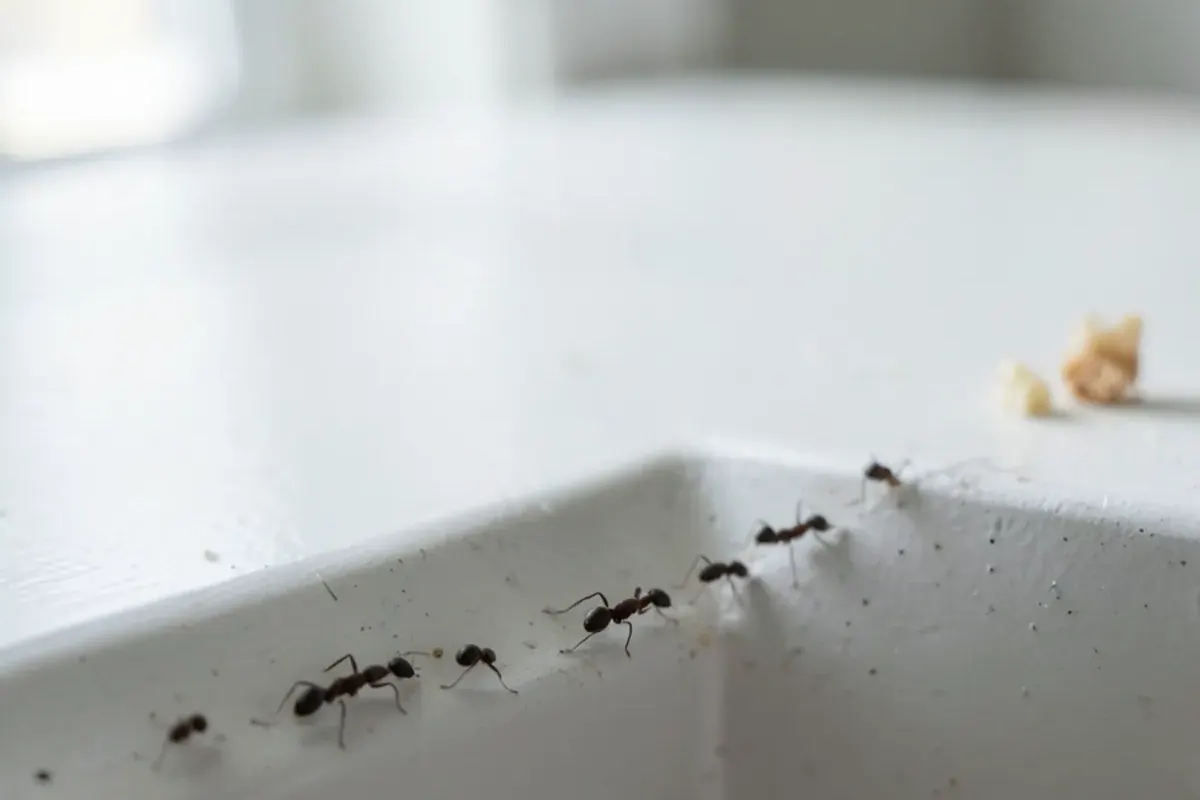
Most of what people call "sugar ants" is not a single species. It is a nickname for any small ant that shows up near food. The ones we see most in central Ohio homes:
| Ant | How to recognize it | Where it nests |
|---|---|---|
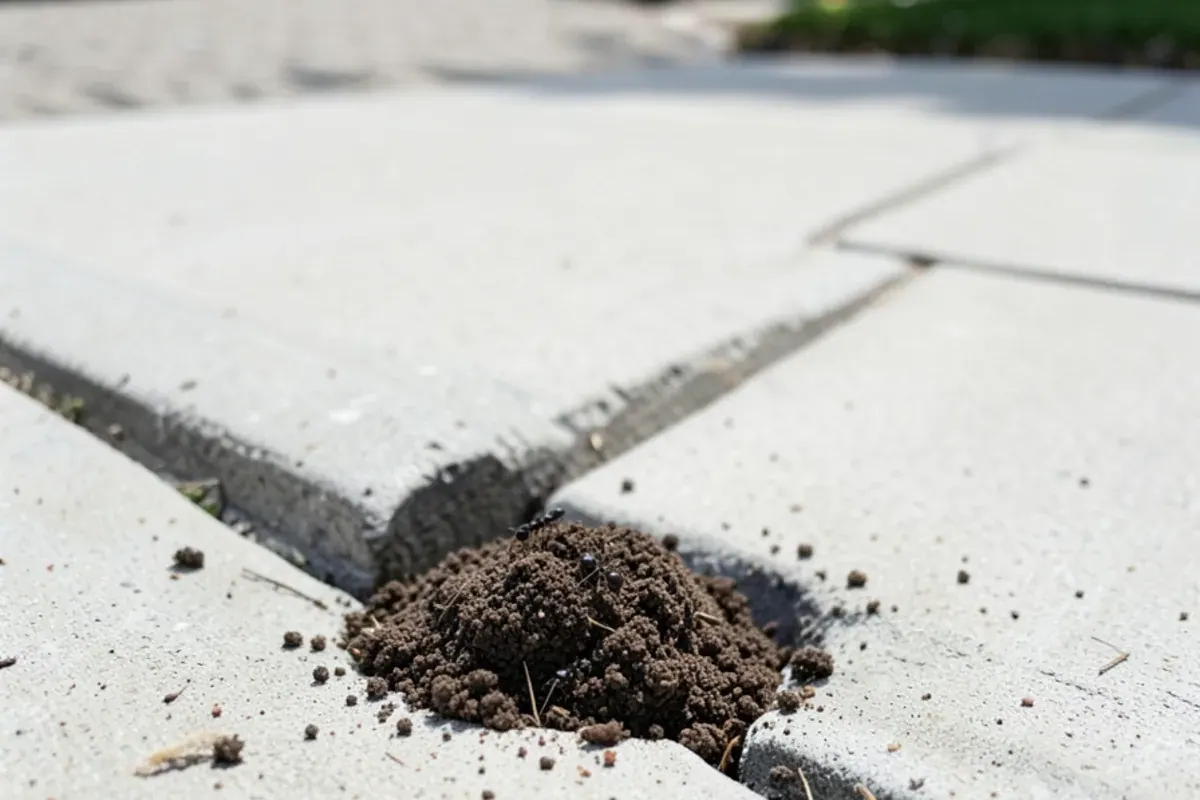
| Pavement ant | Small, dark brown to black, with fine parallel lines on the head and back | Under slabs, sidewalks and patios, with small dirt mounds at cracks |
| Odorous house ant | Small and dark brown, smells like rotten coconut when crushed | Wall voids, under sinks, beneath mulch and stones |
| Thief ant | Tiny and yellowish, easy to miss | Small colonies in walls, often near the nests of larger ants |
| Carpenter ant | Large and black, often a half inch long | Damp or damaged wood |
Size matters when you look. If the ants are big, you may have a wood problem and not a kitchen problem, so read our page on carpenter ant control. Tiny ants in single file along a baseboard are the usual kitchen visitors.
Ants on the counter again?
Tell us the size and where you see them. We can usually tell you the species and the plan over the phone.
- Serving Columbus since 1990
- 4.5★ from 55 Google reviews
- Owner-run, based on Dunning Rd
- One-time or recurring service
Prefer to write it down?
Calling is fastest. The form comes to the same desk, and we call you back during business hours.
Call (209) 563-1650Ants in the kitchen: what pulls them in?
Ants are after food and water, and they find both easily. A sticky jar rim, pet food left out overnight, a damp sponge or a leaky trap under the sink is plenty. Once one scout finds it, she lays a scent trail so the rest can follow.
Columbus housing adds its own routes. The median Columbus home was built in 1980 and about 56% of homes are rented (ACS 2019-23), so there are many older foundations with cracks and many shared buildings where ants travel along pipes and wall voids from one unit to the next. In a multi-unit building the neighbors matter as much as your own kitchen.
Does a trail indoors mean the nest is inside?
Not always. Pavement ants usually nest outside, under slabs, sidewalks and patios, and send foragers in through a threshold or a utility gap. Odorous house ants are more flexible and will nest in a wall void, under a floor or beside a water heater when the weather turns. A trail that starts at a window frame points outside. A trail that appears from an outlet plate or the back of a cabinet points to a nest inside, and that changes where we treat.
Ant control in Columbus: bait, barrier or both?
The answer depends on the species and where the nest is. We usually combine methods. Here is how they compare:
| Method | What it does | Limits |
|---|---|---|
| Bait | Workers take a slow-acting food-based bait back to the nest and share it | Takes days, and cleaning the area removes it |
| Perimeter treatment | A band of product around the foundation and entry points stops new ants from coming in | Does not reach a nest inside a wall or under a slab by itself |
| Crack and crevice | Targeted product in the gaps where trails run and ants hide | Needs the trail mapped first |
| Nest treatment | Goes straight to the colony when we can find it, such as under a patio edge or in mulch | Only works when the nest is reachable |
A perimeter treatment means treating a strip around the outside of the house, where ants cross into the building. Crack and crevice work means putting product only into the cracks and gaps, not spraying open surfaces. All of it follows label directions.
Why does the ant bait work one week and get ignored the next?
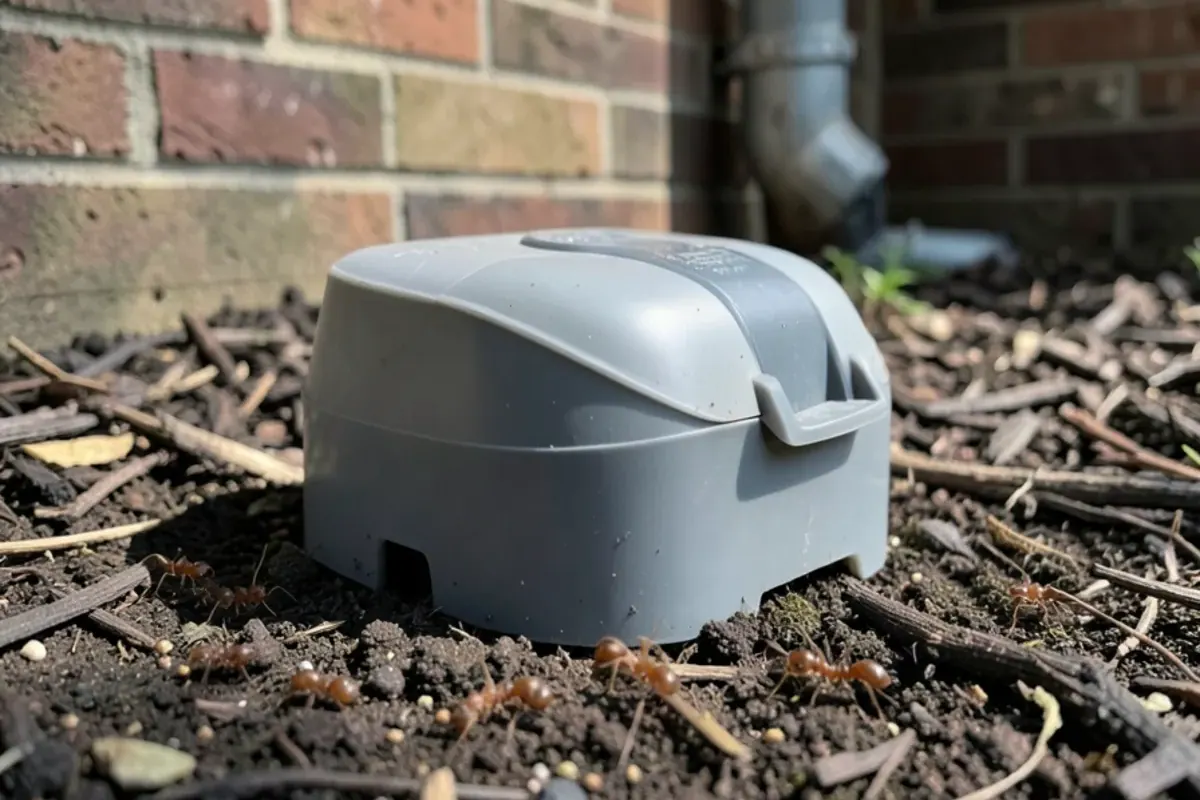
Ants change what they want. A colony may crave sugars while it feeds on nectar and honeydew, then switch to protein and fats when brood is growing. A bait that matches the wrong appetite sits untouched. That is why identification comes first, and why we sometimes set more than one bait type.
Pavement ants and odorous house ants are the two most common home invaders in Ohio, according to Ohio State University guidance. Pavement ants nest in the ground under slabs, so a bait or a treatment at the entry point reaches them. Odorous house ants spread into several nests, so killing the trail alone will not end it. Leave the bait in place for days, since the point is for workers to carry it home.
What does an ant treatment visit look like?
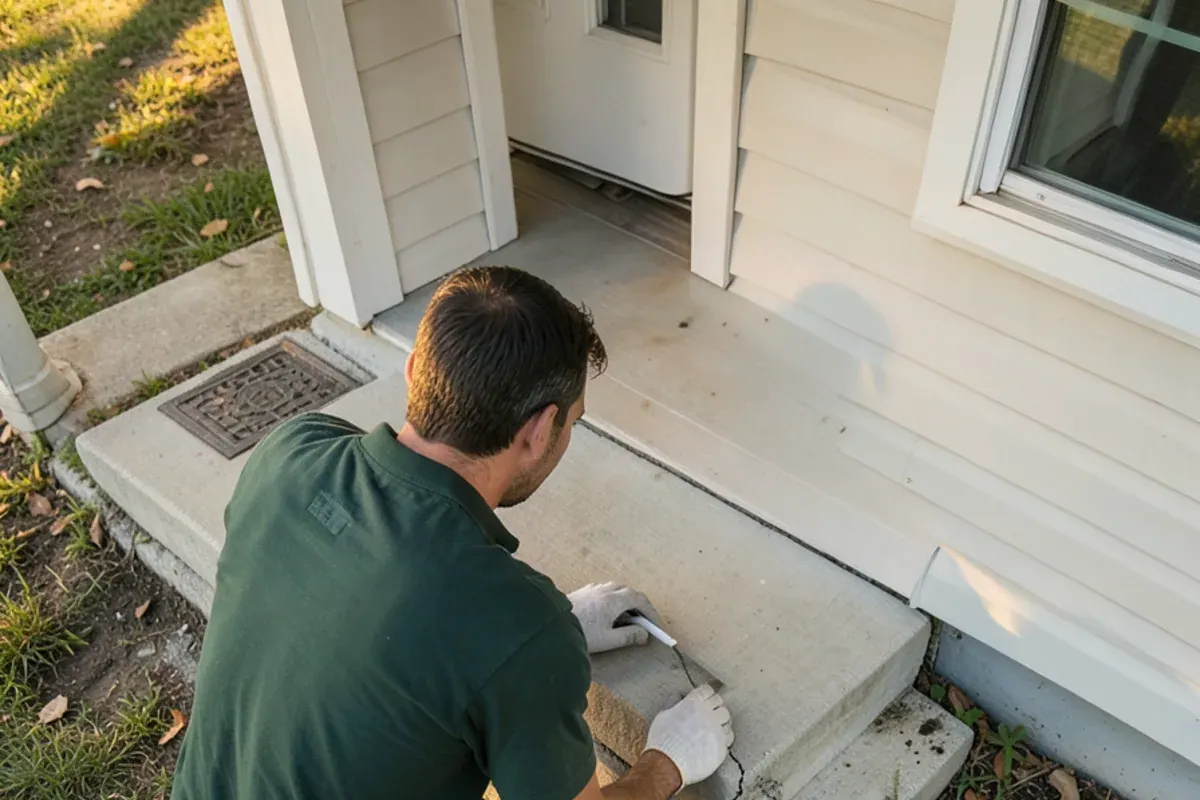
- We follow the trailWe trace the ants from where you see them back toward the nest. That usually leads to a gap at a window, a pipe entry or a crack at the slab.
- We identify the speciesAnt type decides whether bait, barrier or nest work leads. We look at size, color and behavior before choosing.
- We ask what we need to work aroundPets, children, allergies and food prep areas shape where bait goes and what we apply. We ask at each visit.
- We treat inside and outsideThat means bait or targeted product along the trail indoors and a perimeter treatment outside, applied per label directions. You get the label's re-entry time.
- We tell you what not to doLeave bait alone for a few days and do not spray over the trail. You may see more ants at first, which means the bait is working.
- We schedule the follow-upIf the trail keeps going, we come back. Follow-up can be as needed or on a set schedule.
Do you offer a seasonal ant treatment in Columbus?
Yes, and for many households it makes more sense than a one-off call. Ants in central Ohio start moving as soil warms in spring and stay active through fall. Recurring visits, biweekly, monthly or bimonthly depending on the property, keep a barrier in place and let us catch new trails early.
One-time service is available too. A single kitchen trail in a small home may need one treatment and a follow-up check. We explain both options before you decide, and we describe what is likely to happen so you are not guessing.
What does ant control cost and what do you do yourself?
We price by the species and the extent of the infestation, and you hear the price before work starts. The factors that move it are how many trails there are, whether ants are inside walls, the size of the property, and whether you want one visit or a recurring plan.
A few things you can do while you wait for the visit:
- Wipe the trail with soapy water to break the scent line, but do not wipe near bait once it is down
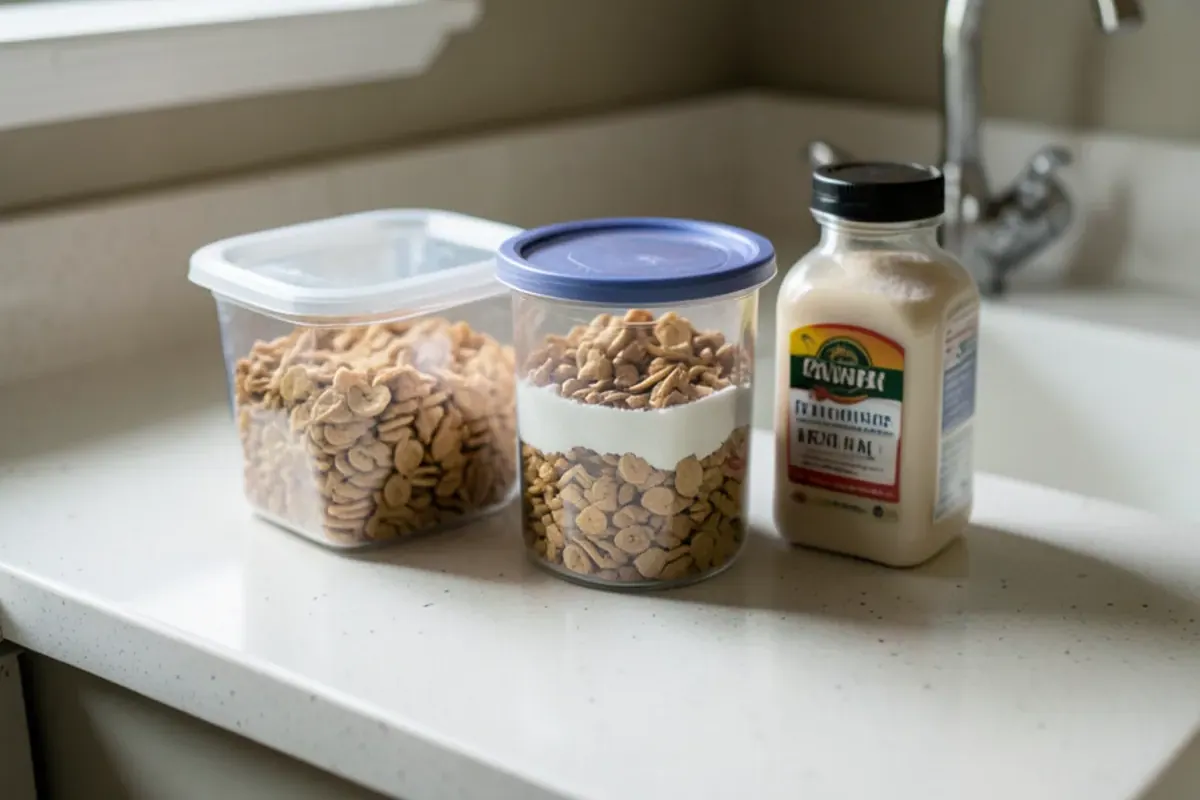
- Store sugary food, pet food and cereal in sealed containers
- Fix drips under sinks and dry out damp areas
- Trim shrubs and branches that touch the house
- Pull mulch back from the foundation so ants lose their nesting cover
Our spring ant and insect prevention checklist turns these into a monthly routine.
Ant treatment in Ohio: label law, the ODA license rule and landlord duty
Ant products sold at the hardware store and ones applied by a company fall under the same federal rule: the label is the law. It names the pests, the sites and the amount, so a bait made for the kitchen does not belong in a wall void. If you treat a trail yourself, read the label for where it may go and when pets and kids may return.
If you hire out the work, Ohio Department of Agriculture rules require a Pesticide Business License for any company applying pesticides for hire. ODA's public business search lets you check a name before you sign. Ask which ant species the company found and which products it plans to use.
Renters should know that Columbus Public Health makes the owner of a building with two or more units responsible for eliminating pests. Tell the landlord in writing, since ants travel along shared pipes.
Why Boydes Exterminating for this work
Ants have had their own page on our site for years, and customers describe ant jobs in their reviews. The method has changed with the products, but the approach of tracking the colony has not.
Ants sometimes resurge in one spot after a treatment. When a return visit is part of the plan, we come back.
You hear the price and the plan before the work starts, and reviewers describe the pricing as fair with no surprise charges.
We work in single-family homes, apartments and commercial kitchens, so building type does not surprise us.
Where we do this work
- Columbus Median home built in 1980 and 56% rented, so ant trails follow pipes between units and through older foundations.
- Whitehall About 61% of Whitehall homes are rented, with a median build year of 1961, and ants cross shared walls.
- Reynoldsburg A median build year of 1984 and 39% rented, so ants enter through foundation cracks and shared buildings alike.
- Westerville Median home built in 1982, with older yards and mulch beds against foundations that let ants nest close to the wall.
- Hilliard Median 1997 homes with patios and concrete slabs, where pavement ants nest underneath and send trails inside.
- Gahanna Gahanna's median home dates to 1985, and creekside moisture near Big Walnut Creek draws ants to foundations.
- Bexley The median Bexley home dates to 1944, and old brick and stone foundations give ants many entry gaps.
- Grove City Median 1993 homes with 30% rented, and green space near Scioto Grove Metro Park brings ants up to the walls.
- Pickerington Median home built in 2002, with slab patios and sidewalks where pavement ants build nests and mounds.
- Canal Winchester Median home built in 2000, and newer subdivisions have fresh landscaping where ants nest by foundations.
We treat ants in Columbus, Whitehall, Reynoldsburg, Westerville and other nearby communities. See every neighborhood we cover on our service areas page.
Ant Control: common questions
Why do ants keep coming back after I spray?
Spray kills the workers it touches but not the queen or the nest, so more workers keep coming. Repellents can also push some species to split into several colonies. Bait and a treated perimeter work on the source. We trace the trail, identify the species and pick the method, then come back if the trail continues.
How fast will the ants be gone?
Many people see far fewer ants within several days, but baits take time because workers carry them back to the nest. A larger or hidden colony can take a couple of weeks. Seeing more ants at first is common while bait is being taken. We tell you what to expect and when to call back.
Do you offer a seasonal ant treatment?
Yes. Ants become active in central Ohio as the ground warms in spring and stay active through fall, so recurring visits are common. Depending on the property, visits can be biweekly, monthly or bimonthly. One-time service is also available when a single trail is the whole problem, and we explain both before booking.
Are sugar ants a different insect?
Sugar ant is a nickname, not a species. In Ohio it most often means an odorous house ant, a pavement ant or a thief ant. They all look similar at a glance, but they nest in different places and respond to different baits, which is why we identify the ant before we choose a treatment.
Is store-bought ant bait worth trying first?
It can work for a small, single trail if you leave it undisturbed. It tends to fail when the bait is the wrong type for the species, when sprays are used alongside it, or when the nest is in a wall or under a slab. If the ants are back within a couple of weeks, call us.
Can you treat ants in a duplex or apartment?
Yes, though ants in shared buildings travel along pipes and wall voids, so the neighbors may be part of the cause. We ask about adjoining units. Columbus Health Code makes the owner of a building with two or more units responsible for eliminating pests (Columbus Public Health), so tell your landlord too.
Sources
What customers say
4.5 stars from 55 Google reviews, checked November 2026. Read more reviews · Leave a review
Excellent service, took care of our major ant issue quickly and even came back out when a small area had a resurgence.
They got rid of our Carpenter Bees and Ants in ONE DAY
Mr. Boyde’s company is responsive and honest. They answer phone calls, give estimates, and come to your home quickly. Pricing is true to market price with no surprise charges.
Let us find the colony
Call with your ant description and your address. We will explain what we recommend, how long it takes and the price.
- Serving Columbus since 1990
- 4.5★ from 55 Google reviews
- Owner-run, based on Dunning Rd
- One-time or recurring service
Boydes Exterminating Co, 1967 Dunning Rd, Columbus, OH 43219