
Bed Bug Control
Why Bed Bugs Keep Coming Back After DIY Treatment
When bed bugs keep coming back, the cause is usually one of four things: eggs that hatch after the spray, hiding spots nobody reached, bugs that came in again from outside, or a product that never touched them. Foggers and hardware-store cans are the most common reason, because they tend to push bugs deeper instead of ending the colony.
- Serving Columbus since 1990
- 4.5★ from 55 Google reviews
- Owner-run, based on Dunning Rd
- One-time or recurring service
Here is how to tell a leftover problem from a new one, why do-it-yourself rounds fail, and what a plan needs so the job actually finishes.
Why do bed bugs keep coming back after you spray?
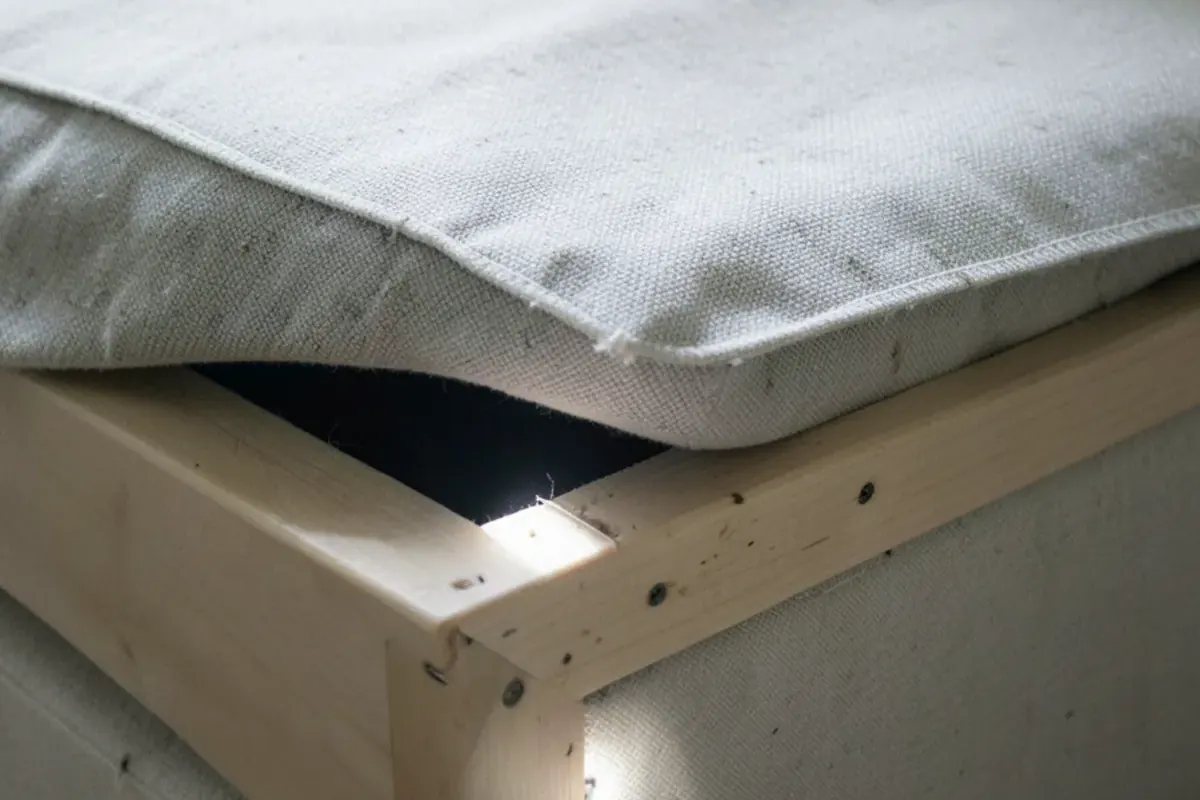
A can of spray kills what it lands on. Bed bugs spend most of their time in places a spray never reaches: inside box spring frames, behind outlet plates, under baseboard edges and in the seams of couches. The bugs you see are a small slice of the population.
Eggs are the other half of the problem. They are tiny, glued into seams, and they hatch on their own schedule. A round of spraying that kills adults on Saturday can leave hatchlings that are biting again two weeks later, and it feels exactly like the bugs came back.
Tried a fogger and still getting bitten?
Tell us what you used and where the bites are. We will work out what the cans missed before suggesting a plan.
- Serving Columbus since 1990
- 4.5★ from 55 Google reviews
- Owner-run, based on Dunning Rd
- One-time or recurring service
Do foggers and bug bombs work on bed bugs?
No, and the EPA advises against relying on them. A fogger releases mist into open air, but bed bugs are tucked into cracks the mist does not enter. Worse, the irritant effect can drive bugs out of their usual spots and into walls or neighboring rooms, which spreads the problem.
Foggers also leave a residue on surfaces in the places you use most. Follow the label directions on anything you apply, and tell your treatment company what you used, since it changes where they look and what they apply. We would rather hear about the cans under your sink than discover the leftovers mid-job.
Can bed bugs become resistant to insecticides?
Yes. Studies in the United States have found bed bug populations that tolerate pyrethroids, the family of active ingredients common in store-bought sprays. A product that once worked can fail on a stubborn colony, and repeated underdosing helps build that tolerance.
That is one reason professional work rarely rests on a single product. Residual treatment may be paired with another approach, and heat or Aprehend can reach bugs by a different route altogether. Your technician chooses based on what the inspection finds.
Is it a relapse, or did new bed bugs arrive?
The distinction matters, because the fix differs. Use the signs below as a first read, then have the home inspected if you cannot tell.
| What you notice | More likely a leftover | More likely a new arrival |
|---|---|---|
| Timing | Weeks after treatment, same rooms | After travel, guests or used furniture |
| Where | Same bed or couch as before | A new room or an item you just brought in |
| Evidence | Young bugs and fresh spots near old hiding places | A single adult or a few bugs in one spot |
| In an apartment | Treatment stopped after one visit | Neighbors have not been treated |
What stops bed bugs from returning for good?
A plan that finishes. In practice that means five things, in this order.
- Confirm the species and the rooms through a bed bug inspection, instead of treating on a hunch.
- Prepare the home with laundry, bagging and clear floors, following the instructions for the method chosen.
- Treat the bed and every room where evidence turned up, not only the bedroom you sleep in.
- Keep every follow-up. A residual course often runs 4 to 6 weeks because eggs hatch after the first visit.
- Reduce re-entry risk: seal off hiding spots, check used furniture and tell neighbors or your landlord.
For shared buildings, the last step carries extra weight. Bugs move through walls and wiring, so a single treated unit can be reinfested from a neighbor. Our apartment bed bug treatment page covers how that scope is handled. That risk is real in Columbus, where about 56% of homes are rented (ACS 2019-23), and in Whitehall, where the share is about 61%.
How do you check whether they are gone?
Monitoring replaces guessing. EPA advises placing interceptors, cups or dishes that catch bugs climbing up, under each leg of an infested bed or couch, then emptying and checking them every week. It also says to check every few days after the first cleanup and to keep checking for at least a year.
A sealed mattress and box spring encasement helps too. EPA notes that encasements trap bed bugs inside so they die, and they remove hiding spots from the one piece of furniture you sleep on. They do not treat the room around it.
When is it time to stop treating it yourself?
Home methods have a place. Laundry on high heat, vacuuming seams, interceptors and encasements all help, and EPA notes you may have to repeat cleanup steps more than once. But some signs mean the bugs are ahead of you:
- More than one room shows evidence. Spread means the bugs have found a route you cannot see.
- You have repeated the same product. EPA advises considering a different type of pesticide if repeat treatments are needed, and choosing it is a judgment call that belongs with someone who has seen the rooms.
- Bites continue three or four weeks in. A bite-free stretch proves little, but continued bites after sustained effort point to hiding places you have not reached.
- You share walls with other units. Your own work cannot reach the next apartment.
The opposite also holds. If you are still at the single-bug stage, a careful cleanup and weekly checks may be all you need. The cost of waiting grows with each room the bugs reach, not with each week.
Which mistakes cause a second round?
- Moving to the couch or another room. Bugs follow you and settle somewhere new.
- Tossing the mattress in a hurry. The bugs stay in the frame, walls and carpet edges, and the new mattress meets them.
- Stopping early. A bite-free week looks like success when eggs have simply not hatched yet.
- Washing everything but skipping the dryer. Heat does the killing, so dry laundry on high heat if the fabric allows.
- Mixing products. Layering store cans over a professional treatment can disturb residual work.
Our bed bug treatment prep checklist lays out the prep room by room so none of these catch you.
What we tell people who call after a failed round
The first thing we say is that it is not a character flaw. Bed bugs outlast most home remedies because they hide well and breed quickly, and a mix of products can make the picture murky.
Then we ask the questions that matter. What did you use, and when? Which rooms have had bites? Do you share walls with neighbors? Did anything new come into the home? The answers decide whether we recommend a residual course, Aprehend, heat or a mix.
We also tell people plainly that a short bite-free stretch proves little. Expect the follow-up visits to feel unnecessary right up until the day they catch a hatchling.
There are limits to what we can promise a tenant or owner. A treatment cannot stop bugs walking in from an untreated unit, and no product keeps working against a new bag of secondhand clothes. We tell people where the risk sits, so they can deal with the source and not only the symptom.
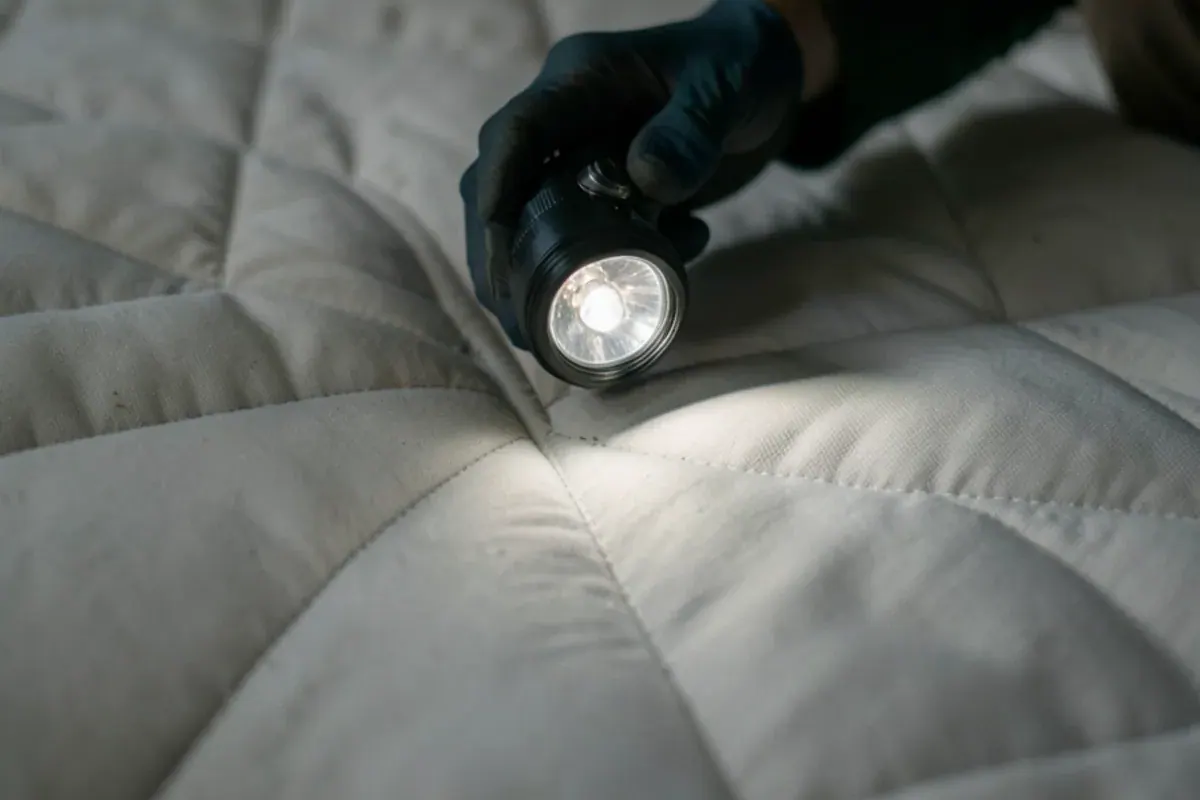
Calling us is also not the right move every time. If you killed a bug you cannot identify, take a clear photo, check mattress seams with a flashlight and look for the dark spots and shed skins that real infestations leave. Call when you confirm one or find a second sign.
Related questions
Why do I still get bites after bed bug treatment?
Eggs and missed hiding spots are the usual causes. Eggs can hatch after a visit, and bugs inside box springs, outlets or furniture seams may survive a thin application. Call whoever treated the home and describe where the bites are. That is the reason follow-up visits exist, and skipping them lets the colony rebuild.
How long until I know the bed bugs are really gone?
There is no single date, because it depends on the method and the home. A residual course often spans 4 to 6 weeks, and follow-up inspections should find no live bugs or fresh spots before the job is called finished. A quiet week or two after the first visit is not proof.
Should I throw out my mattress if bed bugs return?
Usually not as a first move. The bugs live in the bed frame, baseboards and furniture too, so a new mattress simply gives them a fresh place to bite. If a mattress has to go, wrap it in plastic before it leaves the home, mark it clearly and get an inspection first.
Can neighbors cause bed bugs to return in my Columbus apartment?
Yes, and it is common in shared buildings. Bugs travel through gaps around pipes, outlets and baseboards. The Columbus Health Code makes the owner of a multi-unit dwelling responsible for pests, so tell the landlord in writing and ask that adjoining units be inspected as well.
Do interceptor cups really help after treatment?
Yes, as a monitoring tool. EPA advises placing them under each leg of infested furniture and checking them every week. A cup that stays empty for weeks is good news, and a cup with young bugs tells you a hiding place was missed. They do not replace treatment, and furniture touching a wall or bedding defeats them.
If the same bites keep showing up, stop adding cans and get the rooms looked at. Read our bed bug control overview, then call (209) 563-1650 and tell us what you have already tried. We serve all of Columbus and we will explain what we find before any work starts.
Sources
Questions about this? Call the shop.
Tell us what you are seeing and we will tell you what happens next.
- Serving Columbus since 1990
- 4.5★ from 55 Google reviews
- Owner-run, based on Dunning Rd
- One-time or recurring service
Boydes Exterminating Co, 1967 Dunning Rd, Columbus, OH 43219