
Rodent Control
Mouse or Rat? How to Tell Which You Have
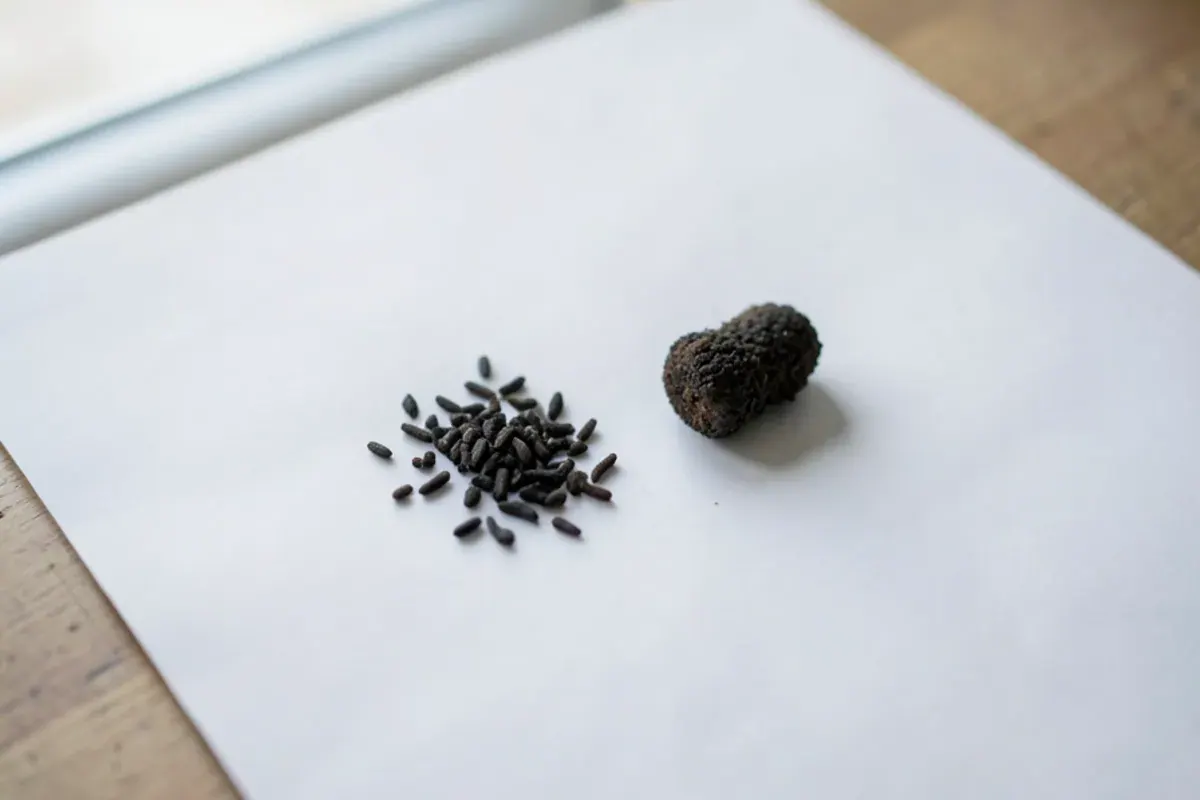
Mouse or rat? Check the droppings first: mouse droppings are about the size of a grain of rice with pointed ends, while rat droppings are closer to a large capsule and blunter. Then look at where the signs are, since mice spread through the house and rats favor ground-level burrows and basements.
- Serving Columbus since 1990
- 4.5★ from 55 Google reviews
- Owner-run, based on Dunning Rd
- One-time or recurring service
The answer matters because the two animals call for different traps, different sealing and different timelines. Use the clues below to sort out what you have before you buy anything.
How do mouse droppings and rat droppings differ?
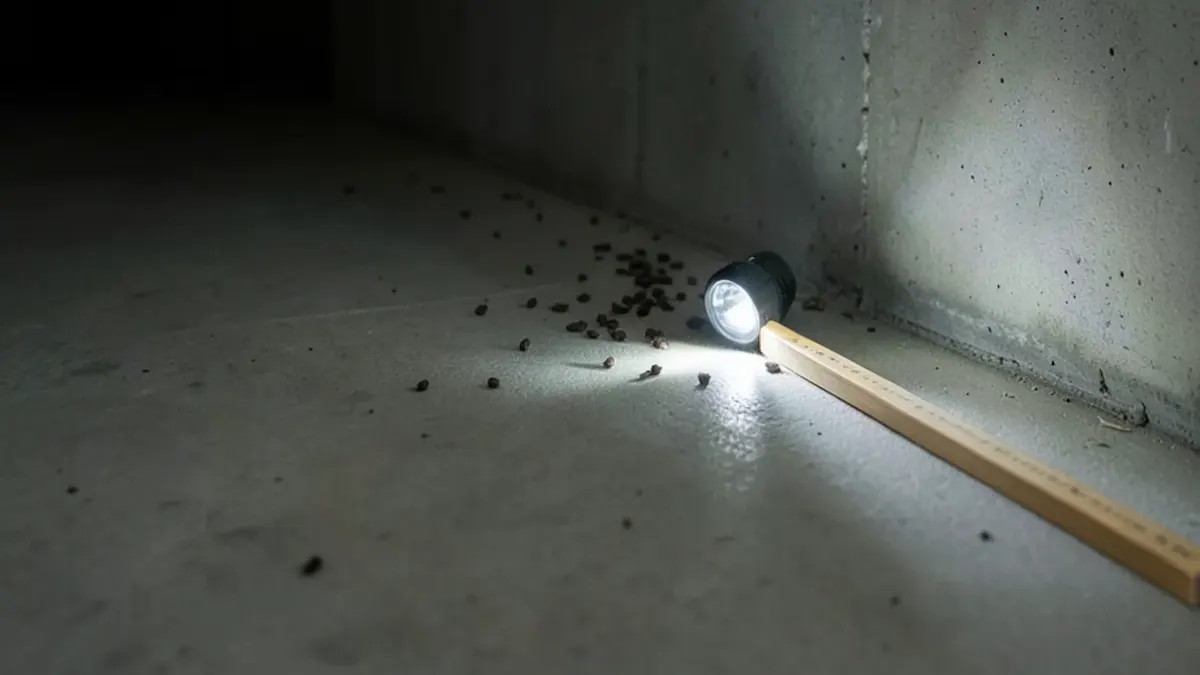
Droppings are the quickest check, and you can do it with a flashlight. Look where food and walls meet: under the sink, behind the stove, along pantry shelves and in garage corners.
| Clue | Mouse | Rat (Norway) |
|---|---|---|
| Droppings | About 1/4 inch, pointed ends, scattered | Roughly 1/2 to 3/4 inch, blunt, in clusters |
| Body length | About 2 to 4 inches, not counting tail | About 7 to 9 inches, not counting tail |
| Gnaw marks | Small, fine scratches | Wide, rough gouges |
| Noise | Light scratching, scurrying | Heavier thumping, gnawing |
| Where | Kitchens, walls, attics, cabinets | Burrows, basements, garages, crawlspaces |
| Entry size | About a quarter inch | About the size of a quarter |
Not sure what you found?
Describe the droppings and where you saw them. We will tell you whether it sounds like a mouse or a rat and what to do next.
- Serving Columbus since 1990
- 4.5★ from 55 Google reviews
- Owner-run, based on Dunning Rd
- One-time or recurring service
What do the noises in your walls tell you?
A light, quick patter that races along a wall, usually at night, fits a mouse. Mice weigh a fraction of an ounce, so they sound like scratching and rustling. A heavy thump, a drag or loud gnawing on pipes and wood fits a rat, which weighs many times more.
Location counts as well. Sounds in the kitchen walls and the ceiling above the pantry are common with mice. Noises under floors, in the basement or beneath a deck point toward rats. If you hear both, assume more than one animal is involved.
Does the time of day help?
Only a little. UC IPM says both animals are mostly active at night, though mice are sometimes seen in daylight. A rat in daylight is a prompt to look around the property, not proof of a large colony. A rat at dusk running along a fence top or utility line is a classic sign of rats nearby.
Is it a baby rat or an adult mouse?
This is the question that confuses most people. A young rat is about the size of an adult mouse, but the proportions differ. Look at the head and feet:
- Mouse: a small head, large ears, small feet and a thin tail that is about as long as the body.
- Young rat: a big head, big feet and a thick tail for its size, with small ears that sit close to the head.
- Droppings: if you find rat-size droppings nearby, you likely have rats, even if the animal you saw was small.
What do gnaw marks, smudges and smells say?
When droppings are missing or too old to judge, the other clues still sort the two animals.
- Gnaw marks. UC IPM puts a rat's tooth marks at about 1/6 inch (4 mm) wide and a mouse's scratchy marks at about 1/12 inch (2 mm). Hold a ruler against a fresh gnawed edge.
- Rub marks. Both animals leave dark smudges where fur brushes against beams, rafters, pipes and walls. Smudges tell you where the route is. Match their width to the animal, since a rat needs a bigger opening.
- Smell. House mice have a characteristic musky odor, which UC IPM says is common in large or long-term infestations. A smell with no visible cause is worth tracing.
- Nests. Mouse nests are finely shredded paper or fibrous material in a drawer, box or corner of a garage. Rats nest in burrows, under floors and in basement corners.
Use these clues together. One alone can mislead, and two or three that agree settle the question.
Why does telling them apart change the plan?
Rats are cautious. They avoid new objects for days, so a trap or station set in the first hour may sit untouched. Mice are curious and will investigate almost anything new right away. A small snap trap can injure a rat without killing it, so rats call for larger traps.
The outdoors matters more with rats. They dig burrows beside foundations, sheds and woodpiles, and they live where garbage and pet food sit outside. Mice mostly live inside the walls and use the outside only to get in. Our mouse control page covers the smaller animal, and our post on Columbus rats and what to do covers the larger one.
Bait is a poison for either species and carries risk for pets, so it goes in tamper-resistant stations per label directions. If you are unsure which rodent you have, that is one more reason to identify it first.
How can you confirm the animal in two nights?
If the clues disagree, a short test settles it without buying anything.
- Pick two spots with fresh signs and clear the droppings from them so new ones stand out.
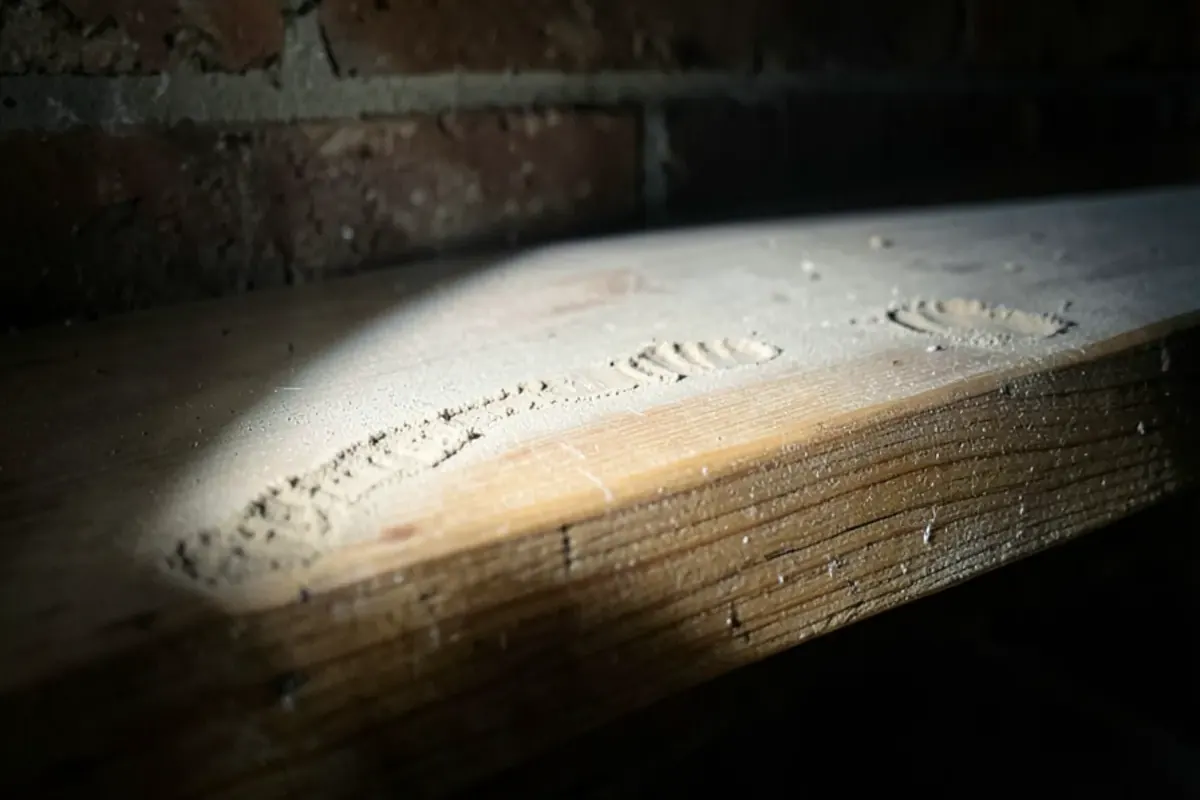
- Dust a thin layer of flour or baby powder across the floor where the animal travels, a few feet long and against the wall.
- Check in the morning. A small print with a fine tail line fits a mouse. A larger print with a heavy drag fits a rat.
- Measure any new droppings with a ruler and compare them with the table above.
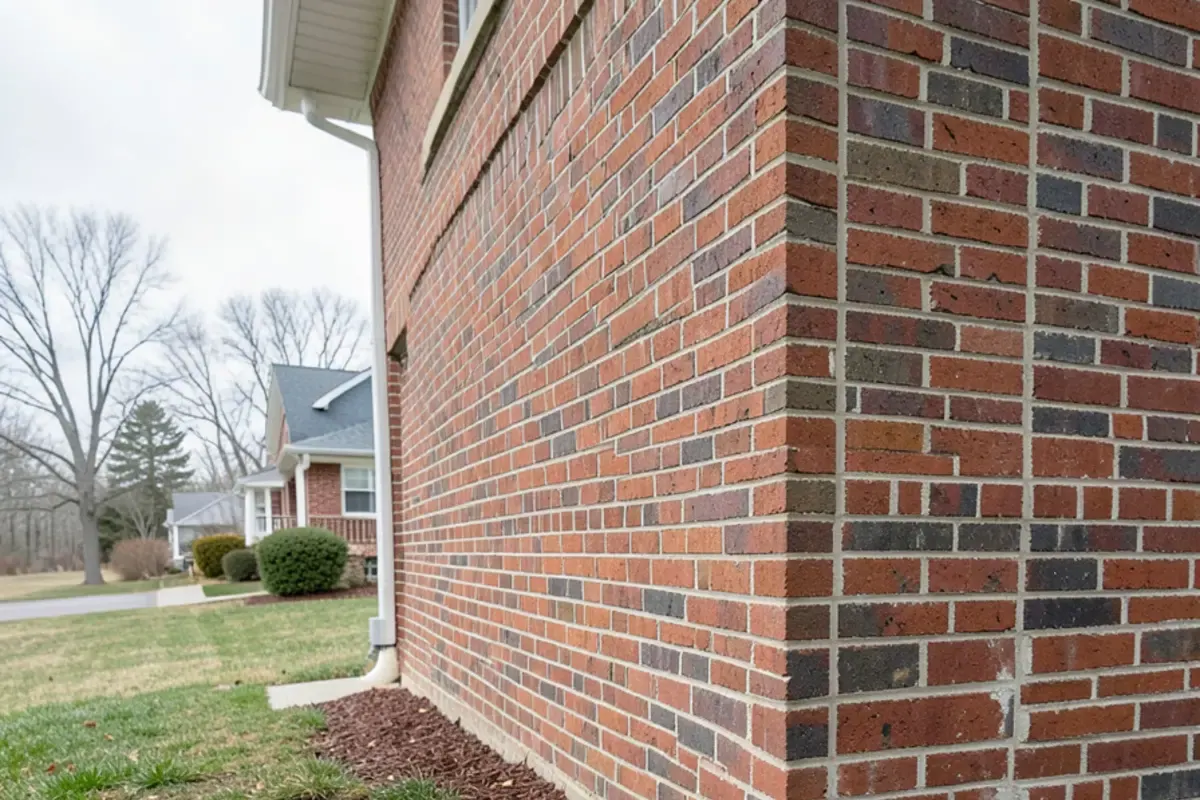
- Walk the outside of the foundation for burrows and for gnawed bags, then take photos of all of it before you call.
UC IPM adds a reason to get this right: mice often will not trigger a trap sized for rats, so the wrong trap tells you nothing. Identify first, then buy.
What should you do right after you find droppings?
- Protect yourselfWear gloves and, for dusty areas, a mask. Do not sweep or vacuum dry droppings, since that sends particles into the air.
- Wet and wipeSpray the area with a household disinfectant mixed per its directions, let it sit, then wipe it up with paper towels and bag them.
- Photograph and noteRecord where the droppings were and how big they look. Photos help when you call.
- Remove food sourcesPut pantry items in hard containers and pick up pet food at night.
- Check the outsideLook for burrows, gnawed trash bags and gaps. These outdoor clues separate rats from mice.
The Centers for Disease Control and Prevention advises wet cleaning rather than dry sweeping around rodent droppings, since the dust can carry germs. Columbus Health Code §221.03 expects dwellings to be kept free of rodents, so a confirmed sighting is worth acting on.
How strong should the cleaning mix be?
The CDC's current cleanup page says to spray droppings, urine and nesting material until very wet with a bleach solution of 1.5 cups of household bleach in 1 gallon of water, or with an EPA-registered disinfectant. Let it soak for 5 minutes or as long as the label says, pick it up with paper towels and put it in the trash. Make the bleach mix fresh each time.
How we tell them apart at the door
We ask three questions on the phone. What do the droppings look like, where did you find them and did you hear anything or see the animal? Those answers usually separate mice from rats before anyone leaves the shop.
On site we check the outside as carefully as the inside. A burrow along the foundation or a chewed trash bag settles the question, and so does a clean, tight house with fresh droppings only in the kitchen. When we cannot tell, we say so and set both kinds of monitoring.
Here is where identification goes wrong. Photos mislead on size, because there is no scale in the picture. Old droppings dry out and shrink, so a gray crumbly pile may say less than a fresh one. And mixed signs, like small droppings with big gnaw marks, mean you need a second look, not a quick guess.
Identification alone is rarely worth a call. If you find a few old, dry droppings, no new ones appear after you clean and nothing is gnawed, you do not need to know which animal it was. Close the gaps and keep food in hard containers. Call when fresh droppings return, or when you hear movement.
Our rat control visits and our mouse visits differ in tools and in how many trips they take, and we explain the price before work starts.
Related questions
Can I have both mice and rats at once?
Yes, though it is uncommon. Rats can crowd out or prey on mice in the same space, so a rat-heavy area often has fewer mice. Mixed signs, such as two sizes of droppings, usually mean both are present. In that case the plan needs to cover both, starting with the rats.
What does a rat nest look like compared with a mouse nest?
A mouse nest is a small ball of shredded paper, fabric or insulation about the size of a fist, usually inside a wall or a box. A rat nest is a larger, looser pile and may be in a burrow outside, under a floor or in a basement corner. Size is the clearest difference.
Is a mouse trap strong enough for a rat?
Usually not. A standard snap trap lacks the force to kill a rat quickly and can hurt it, which makes it wary of traps afterward. Rats call for larger, rat-sized traps or stations placed per label directions. If you are unsure of the animal, identify it before setting anything.
What do rat gnaw marks look like compared with mouse marks?
Rat gnaw marks are larger and rougher. UC IPM puts a rat's tooth marks at about 1/6 inch (4 mm) wide and a mouse's at about 1/12 inch (2 mm), which show up as fine scratchy lines. Fresh gnawing looks light and clean against the older, darker wood around it. A ruler held beside the mark tells you most of it.
Do rats and mice only come out at night?
Mostly, yes. UC IPM says both are most active at night, though mice are sometimes seen during the day. Seeing one in daylight does not prove a large problem, but it is a reason to check the garage, basement and yard. A rat running along a fence top at dusk usually means a burrow is close.
Droppings, gnaw marks, noises and location together tell you what you have. If you are still not sure, read about our rodent control in Columbus or call (209) 563-1650. We work across Columbus, including rental-heavy areas like Whitehall, and will tell you what the signs mean.
Sources
- U.S. Centers for Disease Control and Prevention, Rodents (cleanup guidance around droppings)
- Columbus Public Health, Columbus Health Code §221.03 (dwellings kept rodent-free and insect-free)
- UC IPM, Rats (gnaw mark width, rub marks, night activity, young rats versus mice)
- UC IPM, House Mouse (size, nests, musky odor, night activity)
- U.S. Centers for Disease Control and Prevention, How to Clean Up After Rodents
Questions about this? Call the shop.
Tell us what you are seeing and we will tell you what happens next.
- Serving Columbus since 1990
- 4.5★ from 55 Google reviews
- Owner-run, based on Dunning Rd
- One-time or recurring service
Boydes Exterminating Co, 1967 Dunning Rd, Columbus, OH 43219