

Rodent Control
Columbus Is No. 15 for Rats: What Homeowners Can Do
Columbus rats now rank No. 15 on Orkin's 2026 rattiest cities list, up 6 spots, based on new residential rodent treatments from August 2025 to August 2026. The list counts treatments a company performed, not rats, so it tells you demand is rising and nothing about your own block.
- Serving Columbus since 1990
- 4.5★ from 55 Google reviews
- Owner-run, based on Dunning Rd
- One-time or recurring service
What matters for a homeowner is simpler. Rats come for food, water and cover, and most of that is within your control. Here is how to read the ranking, what to check around your property this fall, and how bait fits in without putting pets at risk.
What does the Columbus rat ranking actually measure?
Orkin's rattiest cities ranking orders cities by the number of new residential rodent treatments in a 12 month window. A jump of six places says more households called for help than the year before. It does not say how many rats live in the city or how bad any one neighborhood is.
It also reflects behavior. Cooler weather pushes rodents toward buildings, and a city with many rentals, older houses and restaurants will produce a steady stream of calls. Treat the number as a reason to check your own property, not as a verdict on where you live.
Seeing burrows or droppings?
Describe what you found and where. We will tell you what it points to and what to do before anyone visits.
- Serving Columbus since 1990
- 4.5★ from 55 Google reviews
- Owner-run, based on Dunning Rd
- One-time or recurring service
Why do rats thrive in Columbus neighborhoods?
Rats need three things, and Columbus offers plenty of each. Food shows up in overfilled dumpsters, restaurant waste, pet bowls and spilled seed. Shelter comes from burrows along foundations, woodpiles and dense plantings. Routes come from alleys, fence lines and storm drains that connect yards across a block.
Housing matters too. About 56% of Columbus homes are rented (ACS 2019-23), and the median home was built around 1980. Shared trash areas and settling foundations leave openings that no single tenant controls. When one yard feeds rats, the burrows spread to its neighbors.
On the east side, where we are based, that mix runs from apartment courts to older single-family streets. Rats do not care about property lines, so a clean yard still benefits when the neighbors act too.
How fast do rats multiply?
Faster than most people expect. UC IPM, the University of California's pest program, says the average female Norway rat has 4 to 6 litters a year and can wean 20 or more young in that time. One missed burrow in the fall can mean a crowded yard by spring.
What can you do around your home this fall?
Rats are cautious animals. They notice change, and they settle where food is reliable. These steps remove the reliable part:
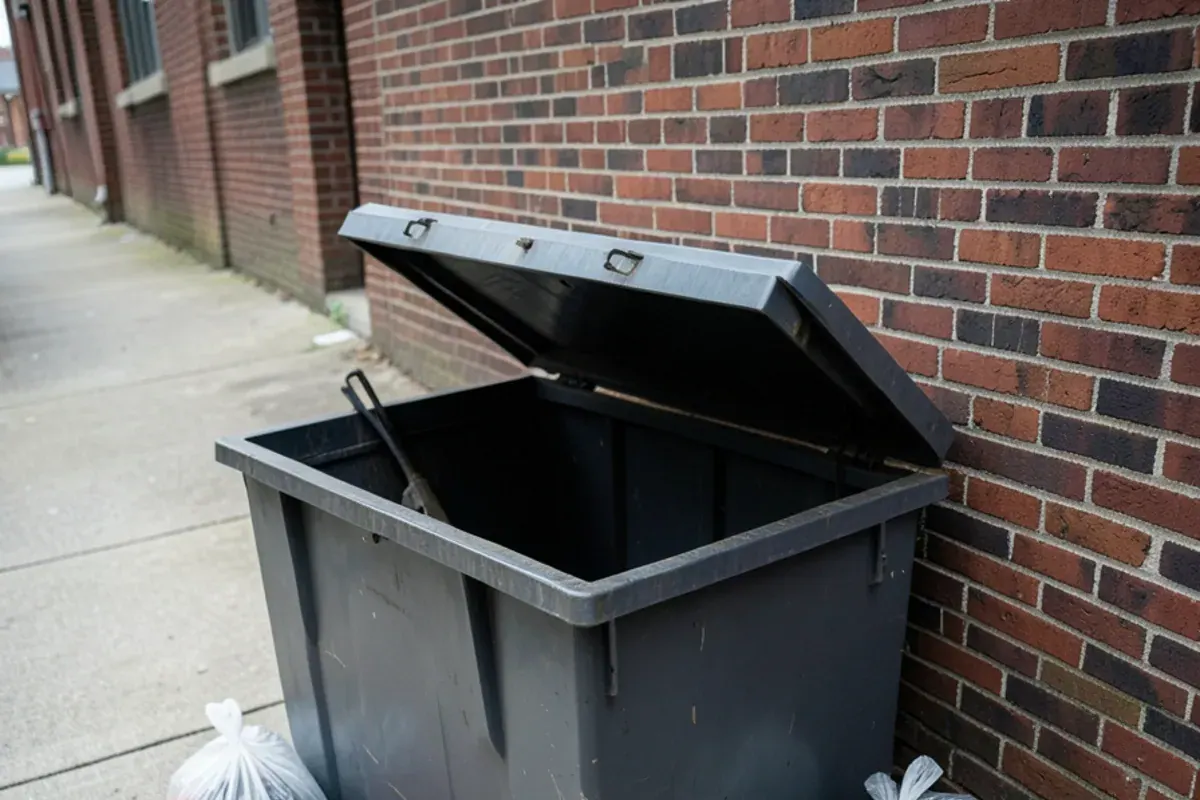
- Lock down the trashUse cans with tight lids, keep bags off the ground and break down boxes so they do not sit beside the bin.
- Feed pets indoorsPick up bowls at night and store dry food in a lidded container, not an open bag in the garage.
- Clean up seed, fruit and compostSpilled seed under feeders and fallen fruit are an open invitation. Keep compost in a closed bin.
- Trim coverMove woodpiles off the ground and away from the house, and thin ivy or dense plantings that touch a wall.
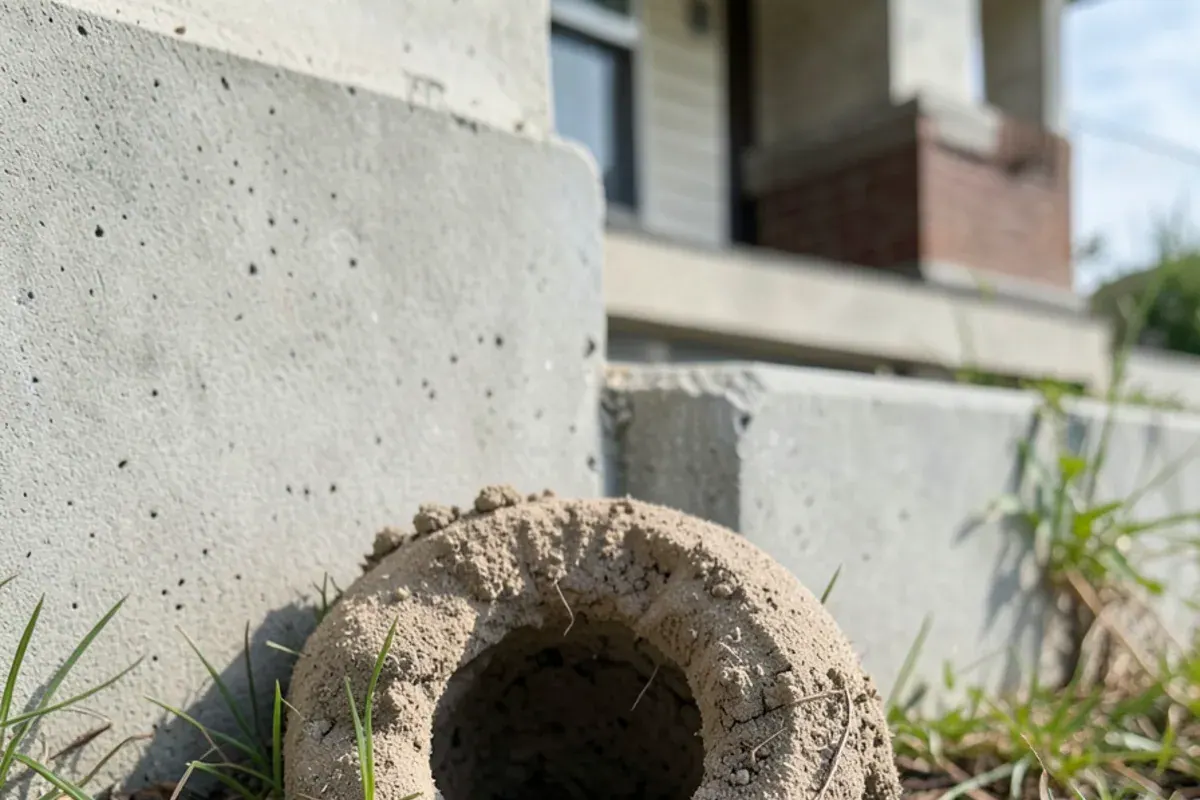
- Walk the foundationLook for burrow holes two to three inches wide, smooth dirt at the opening and gnaw marks on vents or the garage door.
- Seal what you findClose gaps around pipes and door edges with hardware cloth, mesh or mortar. Rats gnaw soft materials.
Two more habits from UC IPM help. Prune plants so they sit 2 feet or more from each other and from the house, and collect garbage and garden debris often rather than weekly. Rats prefer to travel along cover, and open ground makes them nervous.
Do not fill in a burrow before someone checks it. A rat that loses a burrow digs another one nearby, sometimes closer to the house. Our post on rodent-proofing a garage and basement covers the sealing in more detail.
How do you tell an active burrow from an old one?
Look at the opening. University extension guidance describes active Norway rat holes as two to three inches wide, smooth from repeated use and clear of debris. A hole choked with leaves or cobwebs has probably not been used lately. Fresh dirt kicked out at the mouth is a sign of current digging.
Where does rat bait fit, and what are the risks?
Rat bait is poison, and it carries real risks that you should weigh before using it. The first is direct: a dog or cat that finds bait can eat it. The second is secondary. A pet that eats a rat that has taken bait can be poisoned too, and so can any animal that scavenges the carcass.
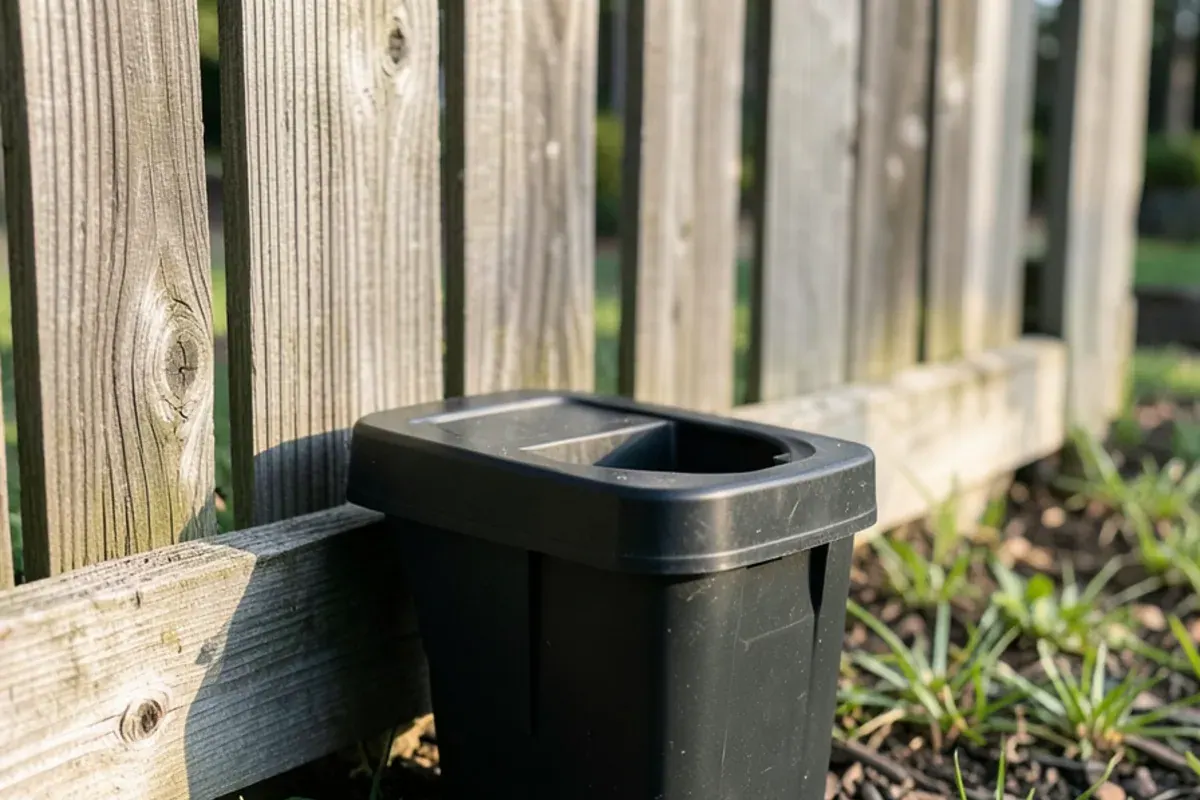
Bait goes in tamper-resistant stations, set according to the product's label directions. Never scatter loose bait in a yard, garage or crawlspace. A station reduces access but does not remove the risk, so we ask about pets and children before we place anything and plan around them.
If you think a pet has eaten bait or a poisoned rodent, call your veterinarian or an animal poison control line right away and bring the product label. Do not wait for symptoms. Rodent bait is also a pesticide, so Ohio requires any company applying it for hire to hold an ODA Pesticide Business License.
Traps and sealing carry less of this concern, which is one reason we use them alongside bait or in place of it. Our rat control page explains how we combine the three.
Traps or bait: which works better for rats?
UC IPM calls snap traps the most effective and economical choice for rats, and it advises placing them close to walls, behind objects and in dark corners, about 10 to 20 feet apart. A heavy infestation can need a dozen or more. Trap shyness is real, so the same source suggests baiting traps without setting them until the food is being taken.
| Snap traps | Bait in stations | |
|---|---|---|
| Setup | Placed along walls and runs; prebait first | Tamper-resistant stations, placed per label directions |
| Main risk | Fingers and pets that reach the trap | Pets and other animals eating bait or a poisoned rat |
| Needs sealing first? | Helps, but not required | Yes. Seal entry points first so poisoned rats do not die indoors, per UC IPM |
| Cleanup | Dispose of the rat and reset | Remove stations and uneaten bait when the job ends |
Whichever you choose, keep it out of reach of pets and children. EPA label rules for consumer rodent products call for tamper-resistant stations for outdoor, above-ground use where children or pets may be present. That is a requirement for the product, not a promise that nothing can go wrong.
Rat signs: outdoors versus indoors
| Location | What you may see | What it suggests |
|---|---|---|
| Yard or alley | Burrows, trails worn in grass, chewed trash bags | An established colony nearby |
| Garage | Gnawed boxes, droppings behind storage | Entry through the door or a wall gap |
| Basement or crawlspace | Greasy rub marks, shredded insulation | Travel along pipes and sill plates |
| Kitchen or pantry | Droppings, torn packaging at night | Rats inside the living space |
Not sure it is a rat at all? Mice leave smaller signs and behave differently, and our guide on how to tell a mouse from a rat walks through the differences.
What we tell customers about a rat sighting
A rat in daylight is not proof of a catastrophe, but it is a prompt to look. We ask what the person saw, where, and what is outside: dumpsters, seed, compost, a neighbor's burrow. Those answers shape the plan more than the ranking does.
We also ask who is in the household. Pets, children and anyone with allergies change how and where we place anything, and we explain the product and the label directions before work begins. You get the price explained first, and we come back when return visits are part of the plan.
Here is when the plan fails. Traps set in the open middle of a floor catch nothing, because rats hug the wall. Bait put out before the entry points are sealed sends rats to die inside the house. And any yard plan fails when the neighbor's compost pile keeps feeding the colony.
A call is not always the right first move. If you saw one rat cross an alley, your lids are tight and you find no burrows, droppings or gnawing, remove any food source and watch for two weeks. Call when you see rats in daylight, find burrows by the foundation, or hear movement in the walls or ceiling.
If you rent, a rat problem in a building with two or more units is the owner's responsibility to eliminate under Columbus Health Code, according to Columbus Public Health. Tell your landlord in writing and keep a copy.
Related questions
Does being No. 15 mean Columbus has a rat infestation?
No. The ranking counts new residential treatments over a year, so it shows demand for rodent help rather than a count of rats. It does mean calls are rising, which makes it a good time to remove food sources and seal gaps around your home before cold weather.
Can I use rat poison from the hardware store myself?
You can buy consumer products, but read the label closely. Bait should sit in a tamper-resistant station, placed per label directions, and pets can be poisoned by the bait or by eating a poisoned rat. Many homeowners get better results with sealing and traps first. If a colony is established, call for help.
How fast can rats take over a yard?
Quickly, if they have food and cover. Rats breed several times a year and a burrow can hold a family before you see one. That is why we look for burrows, gnaw marks and trails early, and why cutting off food matters as much as removing the animals.
What size gap can a rat squeeze through?
A smaller one than it looks. UC IPM says rats, especially young ones, can squeeze under a door with only a half inch of gap, and it advises sealing all holes larger than a quarter inch. In Columbus, the health code expects openings of half an inch or more within 48 inches of the ground to be sealed.
Do snap traps work on rats?
Yes, when they are placed well. UC IPM calls them the most effective and economical option, set close to walls and behind objects, 10 to 20 feet apart. Rats are wary of new objects, so baiting the traps unset for a few days first helps. Keep traps where pets and children cannot reach them.
The ranking is a reminder to check your trash, your pet food and your foundation. If you see burrows or rats in daylight, read about our rodent control in Columbus and call (209) 563-1650. Closing the gaps is covered on our rodent proofing page. We work across Columbus and the rest of Franklin County.
Sources
- Orkin, Rattiest Cities list 2026, Columbus at No. 15 (new residential rodent treatments, August 2025 to August 2026)
- U.S. Census Bureau, American Community Survey 2019-23, Columbus housing tenure and median year built
- Columbus Public Health, Columbus Health Code, owner responsibility for pests in dwellings of two or more units
- Ohio Department of Agriculture, Pesticide Business License search
- UC IPM, Rats (Pest Notes; litters, hole size, sanitation, trap placement, baiting near structures)
- ICWDM ground hole identification guide (Norway rat burrow openings)
- U.S. EPA, Rodent Control Pesticide Safety Review (tamper-resistant bait stations)
Questions about this? Call the shop.
Tell us what you are seeing and we will tell you what happens next.
- Serving Columbus since 1990
- 4.5★ from 55 Google reviews
- Owner-run, based on Dunning Rd
- One-time or recurring service
Boydes Exterminating Co, 1967 Dunning Rd, Columbus, OH 43219